


 PLATFORM UPDATE:


Photochemical upcycling of polystyrene waste by BiCl3

Abstract
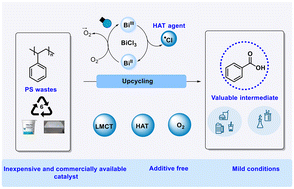
Plastic waste is ubiquitous in nature, and the chemical upcycling of polymers is crucial for finding effective strategies to tackle plastic pollution. In this context, we report the photo-oxidative upcycling of polystyrene (PS) waste by employing the underutilized Ligand-to-Metal Charge Transfer (LMCT) property of low-cost BiCl3 to generate benzoic acid in the presence of oxygen for the first time. Upon exposure to light, BiCl3 generates a chlorine radical that facilitates hydrogen atom transfer (HAT), producing a carbon-centred radical and initiating the degradation process of polystyrene. A detailed mechanistic investigation suggests that HAT can be facilitated by two species: (i) a chlorine radical and (ii) singlet oxygen. DFT calculations and EPR experiments support the proposed mechanism. This versatile approach enables the efficient conversion of small molecules and commercial polystyrene into valuable chemicals, providing a powerful tool for the sustainable upcycling of plastic waste.
 Please wait while we load your content...


