Detection of microplastics through an optical sensor array using nano-graphene oxide and fluorophore conjugates

Osik Tayeng , Pradipta Behera * and Mrinmoy De *
Department of Organic Chemistry, Indian Institute of Science, Bengaluru, 560012, India. E-mail: md@iisc.ac.in; pradiptab@alum.iisc.ac.in

Received 19th May 2025 , Accepted 28th November 2025

First published on 28th November 2025


Abstract

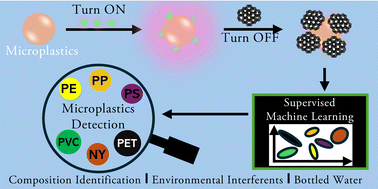
Microplastics (MPs) are degraded plastic products that significantly contribute to global aquatic pollution due to the widespread use of synthetic plastic materials. These tiny, degraded plastics are now commonly found in drinking water, food, and soil and even inside aquatic and non-aquatic organisms. This highlights the urgent need for effective methods to detect and classify these micropollutants in everyday samples. Herein, we have employed a highly stable and cost-effective 2D-nanomaterial, nano-graphene oxide (nGO), as a receptor element to discriminate various types of MPs. In a two-step signal output strategy, at first, MPs are treated with different organic fluorophores to generate varied fluorescence responses. Subsequently, nGO is added to further modulate these output signals. By utilizing the optimized sensor array, six different types of MPs, collected through thermal and mechanical treatments, were well discriminated at a concentration corresponding to an absorbance of A260 nm = 0.025. The sensor's applicability was also evaluated in river, lake, and tap water and in the presence of environmental interferents. The system also detected the presence of MP leachates in water stored in different plastic containers at room temperature. Packaged bottled water, with varying manufacturing dates, also showed significant responses to the sensor array at a very low concentration. This indicates that the designed sensor array can effectively verify water quality by sensing microplastic contamination.

Introduction

Microplastics (MPs), ranging from nanometres to five millimetres, originate from the breakdown of plastic waste due to factors like UV radiation, heat, abrasion, and environmental conditions. Decades of plastic overuse and poor waste management have resulted in their accumulation across marine, freshwater, and terrestrial ecosystems, raising serious environmental and health concerns. Additionally, substantial amounts of MPs are released from plastic containers and are detected in bottled water,1,2 infant feeding bottles,3 teabags,4 table salt,5,6 milk products,7 beer,8 cigarettes9 and seafood,10,11 further contributing to MP exposure to humans. In recent findings, MPs were recovered from the heart tissue of a patient undergoing cardiac surgery,12 human testis,13 ovarian follicular fluid14 and human placenta.15 An estimated 39[thin space (1/6-em)]000 to 52[thin space (1/6-em)]000 MP particles are consumed by humans annually.16 Not only humans, domestic and wild animals are also exposed to MPs.17,18 Moreover, MP particles act as carriers for chemical and biological contaminants.19–22 MPs promote microbial adhesion and colonization22 and adsorb antibiotics,23 metal ions19 and hydrophobic organic pollutants.24–26 Therefore, it is crucial to find a method to separate and detect different kinds of MPs both qualitatively and quantitatively. The current methods to identify and categorize MPs involve two main stages, i.e., isolation and analysis. Isolation of MPs can be achieved through filtration27,28 or by capturing them using surface nanodroplets,29 hydrogels30 or optical tweezers.31 Subsequently, various analytical techniques can be employed to characterize MPs, including confocal Raman microscopy, scanning electron microscopy, Fourier-transform infrared spectroscopy, Raman scattering, and X-ray photoelectron spectroscopy. Additionally, thermogravimetric analysis, mass spectroscopy and gas chromatography, and microwave and electrochemical methods have been explored for MP detection.32–36 However, the above-mentioned methods demand highly expensive instrumentation and trained personnel for accurate MP detection. In contrast, optical methods offer a faster, cost-effective, and more accessible alternative while maintaining reliable accuracy. Receptor-based optical sensors have also been explored, where tailored receptors are designed to selectively recognize specific types of MPs.37 Yet, this approach cannot identify a wide range of MPs simultaneously. Therefore, developing an efficient sensing platform capable of discriminating multiple MPs within a given timeframe is essential.

Array-based sensing operated by optical methods offers an efficient alternative for detecting multiple analytes quickly;38 a set of receptors interact in a cross-reactive manner with analytes, generating variable signals that are statistically analysed to produce unique fingerprints or patterns. In recent years, nanomaterials have been increasingly used as receptor units in sensor arrays for classifying a wide range of analytes from small molecules to biomacromolecules, due to their ease of preparation, economic viability, surface modification and long-term stability.39–42 Among different nano-receptors, 2D nanomaterials have been considered as better sensitive platforms compared to their 3D counterparts due to their high surface-to-volume ratio, providing a large number of active sites for molecular recognition.43,44

Nano-graphene oxide (nGO) is a carbon-based 2D-nanomaterial that possesses various molecular recognition moieties such as hydroxyl, carboxyl, epoxide, aromatic and aliphatic units that facilitate the adsorption of a wide range of analytes through multiple non-specific chemical interactions.45 Utilizing these multimodal properties, different research groups have employed 2D-nGO as a receptor unit for patterning a variety of analytes including proteins,45,46 bacteria47 and diseased cell lines,48,49 lysates50 and viral capsid proteins.51 Owing to its multimodal detection capabilities, herein, we have used nGO as a receptor platform for array-based detection of different types microplastics in aqueous media.

MPs are typically hydrophobic, with some hydrophilic units in their structural moieties. As a result, MPs with varying compositions can interact with nGO in diverse ways. In general, displacement assays have been used for discrimination of various bio and chemical analytes, where a set of signal transducers (mainly hydrophilic) gets quenched upon interaction with nGO and the optical signals further get regenerated upon addition of analytes. However, interestingly, when MPs were added to the conjugates of nGO and hydrophilic fluorophores, negligible signal recovery was observed. Hence, we have modified the sensing strategy for MPs. In this array, we used a two-step signal output strategy, which provided better classification accuracy and unknown detection accuracy compared to standard single-step sensor arrays.52–55 First, MPs interact with different dyes (mainly hydrophobic) to modulate their signals, and in the second step, nGO is added to the dye-bound MPs to achieve further modulation of their optical signals (Fig. 1). By using a combination of seven different dyes and nGO, the sensor array was able to classify various MPs such as Polyethylene (PE), Polypropylene (PP), Polyethylene Terephthalate (PET), Polyvinyl Chloride (PVC), Polystyrene (PS) and Polyamide (PA) through Linear Discriminant Analysis (LDA). MPs derived from both thermal and mechanical stress were also well discriminated. Additionally, the sensor was able to classify the composition of MPs, showcasing the effectiveness of the sensor array. Considering the widespread use of plastics and the frequent presence of MPs in drinking water, river water and lake water, detecting them is essential. This sensor array can provide an economical and multimodal detection platform for various MP pollutants, providing significant potential for water quality monitoring and protection. Furthermore, the sensor array showed potential for the detection of MPs in high salt concentrations, at different pH values and in natural ecosystem mimics.


image file: d5nr02108a-f1.tif
Fig. 1 (a) Schematic illustration of the optical sensor array utilizing nGO and fluorophore conjugates for detecting microplastics. (b) The structure and photophysical characteristics of the fluorophores employed in microplastic sensing. (c) The structure of the receptor 2D nano-graphene oxide showing various surface functionalities.

Experimental

Materials and reagents

Rhodamine 6G, pyrene butyric acid, and carbon nanofibers were acquired from Sigma-Aldrich. Rhodamine B was sourced from Avra Synthesis. Cyanine5 acid, Cyanine5 ester, Cyanine3 acid, and Cyanine3 ester were obtained from VNIR Biotechnologies. Additionally, tea bags and packaged water bottles were purchased from a local market in Bengaluru, India.

Preparation of nano-graphene oxide (nGO)

Nano-graphene oxide (nGO) was prepared by using Hummers’ method with the required modification.56 About 500 mg of carbon nanofibers, 500 mg of NaNO3, and 60 mL of concentrated H2SO4 were combined and stirred overnight. Following this, 4 g of KMnO4 was added to the reaction mixture under ice cool conditions and then stirred at 30 °C for 24 hours, resulting in a light brown solution. Subsequently, the temperature was increased to 90 °C and maintained overnight, resulting in a black coloration. To this, 100 mL of deionised (DI) water was added and the mixture was filtered using Whatman filter paper (pore size 6 µm). The residue was then subjected to repeated washing with 3% HCl solution and DI water to remove excess salt and acids. The precipitate was redispersed in DI water and subjected to centrifugation at 10[thin space (1/6-em)]000 rpm for 15 minutes. The supernatant was collected and subjected to dialysis against DI water for 2 days. Finally, 5 mL of the nGO sample was taken in three different vials and freeze dried and weighed to determine its concentration. The formation of nano-sized GO sheets was confirmed through AFM and UV-vis spectroscopy.

Preparation of microplastics

Through sonication. A modified method from a previous report was used to prepare MPs.57 Plastic pieces were cut into small sizes, approximately 0.5 cm × 0.5 cm. About 5 g of plastic pieces were immersed in 25 mL of 0.25 M KOH solution and subjected to sonication using a tip sonicator at 50% amplitude with 55 and 5 seconds on–off pulses for 60 minutes. The resulting solution was filtered through a funnel lined with cotton wool (Fig. S1).
Through thermal treatment. Small pieces of plastic, approximately 0.5 cm × 0.5 cm in size, were placed into a round-bottom flask. A 0.25 M KOH solution was added and the flask was subjected to reflux for 24 hours. The resulting mixture was filtered using cotton wool (Fig. S2).

Characterization of MPs was further carried out using UV, AFM, DLS, and zeta potential analyses. Common absorbance at 260 nm was used as a quantitative parameter in sensing. Previous studies have utilized UV absorbance to quantify MPs.58,59

Construction of the sensor array. Initially, 140 µL of DI water was dispensed into each well of a 96-well flat-bottomed black plate (CORNING 3650), followed by the addition of 10 µL of ethanolic solution of different dyes, and finally 50 µL of MP solutions. The final concentration of MPs in the sensor mixture was maintained at A260 nm = 0.025 (2.89 µg mL−1). The plate was then incubated for 30 minutes and the fluorescence intensity (I) was measured. In the control experiment, only 50 µL of KOH solution (0.25 M) was added and the intensity was recorded as I0. Subsequently, 10 µl of nGO was introduced into each well, followed by another 30-minute incubation period, after which the fluorescence intensity (I1) was measured. The measurement for each MP analyte was repeated 6 times, and all incubations were performed at room temperature. The fluorophore concentrations were selected to obtain reasonable fluorescence intensities. Then, the nGO concentration was adjusted to decrease the fluorescence intensity by more than 60%. The dataset for statistical analysis comprised the normalized intensity (I/I0) and relative intensity (I1/I).

Results and discussion

Microplastics are a very tiny size subset of plastics, less than 5 mm in size, with predominantly hydrophobic hydrocarbons with a few hydrophilic units, exhibiting a zeta potential that varies from neutral to negative. Nano-graphene oxide (nGO) is well known to interact with a wide range of analytes, including cationic, anionic, hydrophobic, and hydrophilic substances, through different modes of interactions and hence we considered it as a receptor for MPs. Nano-graphene oxide (nGO) was synthesized using modified Hummers’ method. Carbon nanofibers with an average diameter of 100 nm were used, which constrained the average diameter of the resulting nGO upon exfoliation. Characterization through Atomic Force Microscopy (AFM) revealed dimensions of approximately 100 nm in width and about 1 nm in height (Fig. S3), indicating a single-layer structure of the synthesised nGO. UV-vis spectral analysis showed an absorption band near 230 nm corresponding to the C[double bond, length as m-dash]C bond and a shoulder range of 290–305 nm corresponding to carboxyl, hydroxyl, and epoxide groups (Fig. S3c). MPs were produced using both mechanical and thermal methods (as shown in Fig. 2a) to simulate real-world plastic degradation scenarios. We also attempted to replicate typical water conditions by heating and sonicating the plastics in an aqueous medium. We observed that the absorbance value of most of the MPs prepared by either method is around 260 nm, which reduces upon dilution (Fig. 2b and c). Consequently, UV absorption at 260 nm was used throughout the experiment as a quantitative measure for MPs. Concentrations corresponding to 260 nm for different MPs were calculated by taking MP solutions at A260 nm = 0.25 (three different vials having 4 mL each) and freeze dried, followed by measurement of their average weight. All the concentration of MPs were summarized in Table S1 in terms of A260 nm = 0.025. The concentration measured by weight was further validated through the polymer standards with known concentrations. For example, the PS standard at A260 nm = 0.25 corresponds to 26.35 μg mL−1, which is nearly equal to the average weight measured after freeze drying of PS MPs, i.e., 27.8 ± 2.15 µg mL−1 (Fig. S4). All MP samples were then analysed using Dynamic Light Scattering (DLS) and AFM, revealing particle sizes ranging from 100 to 1400 nm. A specific type of MP derived through thermal or mechanical operation produced particles of varying sizes. In one instance, polyethylene MPs showed larger sizes in both AFM (Fig. 2d and e) and DLS (Fig. 2f) when derived through heating as compared to mechanical treatment. Similar observations of other MPs derived from different plastic sources were also noted (Fig. S5 and 6). The size distribution of various MPs was assessed using AFM and DLS, with the results are summarized in Table S2. This confirmed the existence of microparticles within the filtered solution. The chemical functionalities of different MPs prepared through both heating and sonication methods were compared with the native plastic sources. Different values of frequencies corresponding the stretching and bending vibrations of different MPs were confirmed through Fourier Transform Infrared Spectroscopy (FTIR). All the MPs produced either by the heating or sonication method contain the original functional groups like their corresponding plastic sources (Fig. S7). In one such example, the FTIR spectra of PE show peaks at 2909 and 2845 cm−1 corresponding to the C–H stretching vibration and the peaks at 1462 and 718 cm−1 were attributed to the –CH2– bending vibration (Fig. S7d). After preparing Polyethylene (PE) MPs through heating and sonication, their IR spectra showed peaks at similar positions, with minor shifts. Similar to PE, other MPs such as Nylon 6, PP, and PS also exhibited IR peaks corresponding to their native polymers, with negligible shifts in peak positions (Fig. S7). However, noticeable changes in the IR peak were observed for PET and PVC MPs. In the case of PET, the transmittance peaks corresponding to C–H stretching was significantly reduced in both the sonication and heating methods (Fig. S7b). This is due to the thermal or oxidative degradation of C–H bonds to form oligomers or polymers with lower chain lengths.60–62 In the case of PVC, the MPs derived through the sonication method show the IR spectrum similar to that of the native plastic source. However, the IR spectrum of the MPs derived through the heating method exhibits a broad peak at around 3386 cm−1 (Fig. S7e), which may be due to the formation of a hydroxyl group through thermal oxidation and degradation of PVC. FTIR analysis confirmed that in some cases, such as PVC and PET, MPs generated under extreme conditions can form degraded products with altered chemical functionalities. Different positions of the IR peaks of plastics and their corresponding MPs (derived from different methods) are summarized in Table S3. Furthermore, the presence of different elements in the MPs derived through the sonication method was confirmed through XPS analysis (Fig. S8 and Table S4).
image file: d5nr02108a-f2.tif
Fig. 2 (a) Schematic diagram for MPs preparation through mechanical and thermal methods. (b) UV-vis absorption spectra of the MPs-containing solution prepared through the sonication method. (c) UV-vis absorption spectra of the MPs-containing solution prepared through the heating method. (d) AFM micrograph of polyethylene microplastics obtained through the sonication method. (e) AFM micrograph of polyethylene MPs obtained through the heating method. (f) Size distribution of polyethylene MPs obtained through DLS measurement.

As both MPs and nGO are optically inactive, to monitor the binding interactions between them, different fluorophores as signal transducers were used. It is well established that nGO can quench the fluorescence of various fluorophores and upon addition of analytes, the quenching process can be reversed. Fluorophores such as rhodamine B, rhodamine 6G, and Cyanine3 acid having high quantum yields and binding affinity to nGO were taken as signal transducers. As anticipated, the fluorescence of these signal transducers was quenched upon addition of nGO (Fig. S9a). However, in the preliminary studies, we did not observe significant regeneration of fluorescence after the addition of MPs to the nGO–fluorophore conjugates (Fig. S9b–d), and this posed a challenge for developing a sensor array through the indicator displacement assay to achieve a canonical score plot with better accuracy (Fig. S9e). Consequently, we shifted to create a sensor array platform relying on a binding assay. As different MPs possess variable hydrophobicity and other functionalities, they can bind to the nGO surface in diverse manners. These MPs can also interact with fluorophores and modulate their signals depending upon their mode of interactions with the fluorophores. With this in mind, we designed a sensor array based on a two-step signal generation process. In the first step, MPs were incubated with fluorophores to either increase or decrease their fluorescence intensity. In the second step, the MPs bound with different fluorophores were exposed to nGO, resulting in a turn-off response in diverse manners (Fig. S10). This approach allows for generating 2×N signals from N number of fluorophores, providing a more sensitive detection platform in many cases. We then proceeded to optimize the set of signal transducers. The ideal signal transducer should have the ability to bind the MPs and nGO in a cross-reactive manner. Seven fluorophores, Pyrene butyric acid (PBA), Rhodamine 6G (R6G), Rhodamine B (RB), Cyanine3 carboxylic acid (C3A), Cyanine3 NHS ester (C3E), Cyanine5 carboxylic acid (C5A) and Cyanine5 NHS ester (C5E), were selected after screening various fluorophores. The photophysical properties of these selected fluorophores are detailed in Table S5. Selected fluorophores can get adsorbed on the nGO surface to different extents depending upon their interaction with nGO. Such variations in molecular interactions between STs and receptor units are very much essential to obtain a cross-reactive response in the sensor array.

At first, the interactions of the chosen dyes with nGO were studied using absorption spectroscopy. When nGO was added to different fluorophores, significant broadening and red shifting in absorption bands were observed (Fig. S11). This indicates a strong interaction between the selected fluorophores and nGO. To gain deeper insights into the interaction mechanism, fluorescence spectroscopy was performed with different interfering agents. Calcium chloride (CaCl2), urea and Tween 20 were used as interfering agents for electrostatic, hydrophilic and hydrophobic interactions, respectively.53 In this scenario, the fluorescence response of various STs was quenched by nGO, and when the interfering agents were added to the ST–nGO complex, there was an increase in the fluorescence response (Fig. S12). In most of the ST–nGO complexes, signal recovery was found to occur in the presence of Tween 20 or CaCl2. This indicates that the major modes of interaction were electrostatic and hydrophobic interactions. The contributions of different interactions that govern the adsorption of STs on nGO surfaces are summarized in Table S6. To confirm the fluorescence signal modulation between MPs and the fluorophores, we titrated Nylon MPs (derived from tea bags) at increasing concentrations with different fluorophores. Before that, we measured the fluorescence of different MPs using excitation values corresponding to different dyes used. We found that all the MPs are fluorescently inactive (Fig. S28a–e) and hence there will be no fluorescence interference from MPs during the sensing study. It was observed that water-soluble fluorophores like R6G and RB showed fluorescence quenching upon addition of Nylon MPs, which indicates the adsorption of hydrophilic fluorophores on MP surfaces, while other fluorophores like PBA, C3A, C3E, C5A, and C5E exhibited an enhancement in their fluorescence signals (Fig. S13). This suggests that hydrophobic MPs cause dissolution of the hydrophobic fluorophores in an aqueous environment, which results in better fluorescence. Similar trends, i.e., quenching and enhancing of fluorescence intensities of hydrophilic and hydrophobic dyes, respectively, were observed upon addition of different MPs to the fluorophore solutions (Fig. S27). Furthermore, the interactions between MPs and dyes were verified at different pH values and in different salt concentrations and solvents (Fig. S28f). We found that there were negligible changes in the fluorescence of different dyes. Additionally, nGO titration was performed against Nylon MPs and fluorophore pairs. Herein, it was observed that the rate of binding of Nylon MPs and fluorophore pairs to nGO is different in the case of different fluorophores (Fig. S10). Further interactions between different MPs and nGO were validated through FTIR spectroscopy. For that purpose, both nGO and MPs were mixed and allowed to stir for 24 hours for achieving better adsorption and then subjected to dialysis to remove free MPs, followed by freeze drying prior to recording the FTIR spectra. The presence of signature peaks of both MPs and nGO in the corresponding IR spectrum of the adduct further supports the successful interaction between them. In the case nGO, there is a broad band for the hydroxyl group in the region of 3200–3600 cm−1, which was also found in the nGO–MP adducts (Fig. S14). In one such instance, Nylon-6 MPs exhibited a peak corresponding to N–H stretching at 3290 cm−1. The adducts of nGO–Ny MPs shows both bands corresponding to N–H and O–H stretching (Fig. S14a). This indicates the successful adsorption of MPs on the nGO surface. Apart from the hydroxyl peak, other peaks were also present in the nGO–MP adducts, corresponding to their native components, and these are summarized in Table S7. However, in the case of the PS MP–nGO adduct, the hydroxyl band of nGO was significantly diminished (Fig. S14f). This may be due to the steric hindrance caused by PS MPs through adsorption around nGO nanosheets, which can block the access to the hydroxyl groups and hinder their normal stretching vibration. Furthermore, the interactions between MPs, fluorophores and nGO were also studied through isothermal calorimetry (ITC) (Fig. S15). First, the interaction between PBA and Nylon MPs was examined, revealing either a non-measurable or weak binding affinity. Next, nGO was titrated with the PBA solution, which showed a weak but more noticeable binding compared to that between PBA and Nylon. Finally, when nGO was titrated with the Nylon MP–PBA adduct, the resulting thermogram exhibited a distinctly different pattern—the energy released progressively increased throughout the titration, indicating a different mode of interaction. These observations provide compelling thermodynamic evidence of overall interactions among all three components.

After confirming these diverse interactions, we proceeded to construct the sensor array. First, different MPs obtained through mechanical stress (sonication) were added to the dye solutions and their fluorescence behaviour was monitored. In all the dyes, significant changes in fluorescence signals were observed (Fig. S13), thus indicating the effective and varied interactions between the dyes and MPs. Each analyte was subjected to six titrations to assess the reproducibility of the sensor system. Eventually, six sets of repetition data were collected using I/I0 (termed normalized intensity) and subjected to LDA, where I = intensity of the different fluorophores upon addition of MPs and I0 = average intensity of the fluorophores without addition of MPs. When these datasets were plotted through LDA to a canonical score plot, 95% classification accuracy was observed (Fig. 3a). After that, nGO at 15 ppm was added to the preincubated mixture of MPs and dyes. nGO was introduced to quench the fluorescence, resulting in varying degrees of quenching across different MPs and dye pairs. The dataset was collected using I1/I (termed relative intensity), where I1 = intensity obtained after the addition of nGO to fluorophores and MP pairs. Upon transferring the data to LDA, a canonical score plot with 79% accuracy was observed (Fig. 3b). In the case of LDA, the plot obtained from the I/I0 dataset shows poor separation between Nylon and PE MPs (Fig. 3a). However, they were well classified in the LDA plot using the I/I1 dataset. This suggests that combining both parameters provides a sensor system with better classification accuracy. Based on the discernible changes in analyte interaction, after the addition of fluorophores and nGO, the I/I0 and I1/I values were recorded and combinedly plotted, generating a fluorescence response pattern (Fig. S16). As expected, two major scores, i.e., 78.3% and 17.5%, were used for the construction of a canonical score plot, yielding distinct separation of all MPs with 100% accuracy while maintaining 95% confidence of ellipse (Fig. 3c). The sensor array's detection efficacy was also tested with MPs collected through thermal treatment. Similar to the MPs collected through the mechanical method, thermal MPs were introduced into the sensor array. The score plot obtained through the combined dataset showed 100% classification accuracy (Fig. 3f). Individual datasets for I/I0 (Fig. 3d) and I1/I (Fig. 3e) also showed 100% classification. When comparing MPs collected through sonication and heating, the ellipses for the same MPs prepared by different methods did not overlap in the score plot (Fig. S17), indicating differences in the nature and properties of MPs obtained through these methods. This was confirmed by AFM, DLS and zeta potential measurements. The analysis showed that sonicated MPs generally have different surface charges compared to those obtained from thermal treatment (Fig. S18 and 19). Similarly, the DLS measurement revealed a significant size variation between MPs derived from different methods (Fig. S5 and 6). The above study demonstrates that the nature of MPs formed varies depending on the conditions. In the above sensing methods, seven different predictors are used for the discrimination of six different MPs. To verify the efficacy of our sensor system with a lower number of predictors, out of seven, we used only three different signal transducers (selected in different combinations) and 100% classification accuracy was obtained in different combinations of three fluorophores such as combination 11, 13, 16, 17, 18, 19, etc. (Table S8).


image file: d5nr02108a-f3.tif
Fig. 3 Two-dimensional LDA score plots with 95% confidence ellipses obtained from: (a) the normalised intensity (I/I0) of sonicated samples; (b) the relative intensity (I1/I) of sonicated samples; (c) the combined normalised and relative intensities (I/I0 and I1/I) of sonicated samples; (d) the normalised intensity (I/I0) of heated samples; (e) the relative intensity (I1/I) of heated samples; and (f) the combined normalised and relative intensities (I/I0 and I1/I) of heated samples. (g) Classification accuracies obtained from both the datasets (I/I0 and I1/I). (h) Two-dimensional LDA score plot with 95% confidence ellipse for the limit of detection of Nylon MPs at various absorbances ranging from A260 nm = 0.025 to 0.00037. (i) Score values plotted against the logarithmic value of the concentration of microplastics for the limit of detection study.

Furthermore, to examine the limit of detection, we tested different concentrations of Nylon MPs ranging from A260 nm = 0.025 to 0.00037 (2.89 µg mL−1 to 45.15 ng mL−1). The concentration corresponding to A260 nm = 0.0062 (722.5 ng mL−1) is well separated at a lower limit. However, the ellipses corresponding to the concentration range from A260 nm = 0.0031 to 0.00037 (361.25 ng mL−1 to 45.15 ng mL−1) show significant overlapping, although they remained separated from the control dataset. To verify the detection limit of the system, we plotted the observed score values against the logarithmic value of the concentration of MPs. It was found that a linear fitting straight line was observed for MP concentrations from 361.25 to 90.3 ng mL−1 (Corresponding to A260 nm = 0.0031 to 0.00075) with a very high r2 value of 0.9972. However, the goodness of fitting, i.e., the r2 value was reduced to 0.9552, when the linear fitting was done from 361.25 to 45.15 ng mL−1 (Corresponding to A260 nm = 0.0031 to 0.00037) of microplastics. This indicates that the nGO-based sensor array can identify Ny MPs of 90.3 ng mL−1 (Fig. 3i).

The efficacy of the sensor system was verified in complex systems such as in high salt concentrations, at different pH values, and in different water sources. When different MPs were spiked with aqueous samples collected from different water sources such as from tap, river, and lake and analysed through the sensor array, all the MP analytes were classified with 100% accuracy (Fig. S20). High classification accuracy was also observed when the analysis was done at different pH values, i.e., 4 and 9. However, in this case, the score 2 value is slightly decreased as compared to that observed at neutral pH (Fig. S20g). This indicates that although the sensor is able to classify MPs at a very high or low pH value with 100% classification accuracy, still some degree of sensitivity is compromised. Hence, detection of MPs is more suitable at neutral pH using nGO as a receptor. Similarly, the sensor system also showed very high classification accuracy in 100 mM salt concentration (Fig. S20d). The sensor's robustness was also tested in the presence of known environmental interference. For that purpose, a mixture of soil and algae was added in tap water, which is expected to contain various salts, humic substances, and other organic materials. After that, it was sonicated and allowed to settle down (Fig. 4b).63 After that, different MPs corresponding to A260 nm = 0.025 were spiked in the obtained supernatant and added to the sensor array for classification. Interestingly, in the presence of different environmental interference, the sensor array was able to discriminate various MPs with 100% classification accuracy (Fig. 4a). This indicates that the designed sensor array is a potential platform for the detection of various MPs in complex environments.


image file: d5nr02108a-f4.tif
Fig. 4 (a) Soil–algae mixture in tap water. (b) Two-dimensional LDA score plot with 75% confidence ellipse, showing 100% classification accuracy for MPs when they were spiked into water from the soil–algae mixture.

All the sensing experiments were carried out at a MP concentration corresponding to the absorbance at 260 nm where the known concentration of MPs was spiked prior to adding to the sensor array. However, it will be challenging to detect MPs based on the absorbance value in a complex environment as many organic materials can absorb at that range. In such cases, the number of particles can be used for detection in the sensor array. For that purpose, we used nanoparticle tracking analysis to calculate the number of particles present at A260 nm and the results are given in Table S9. It is found that different MPs, i.e., PVC, PP and PE, having a similar number of particles per mL at A260 nm = 0.025 were successfully classified in the presence of different environmental interferences (Fig. 4b).

After successful discrimination of different types of MPs, we assessed the platform's capability to detect unknown analytes. For this, we used MPs derived from different sources and tested them with the optimized sensor array. We collected commonly used plastics, including polyethylene, polypropylene and Nylon 6, from various sources or brands (Table S10 and Fig. S25). Nylon 6 belonging to four different tea brands, Polypropylene from three sources (Micropipette tips, Food containers, and Infant feeding bottle) and Polyethylene from two sources (carry bags made of HDPE and Pasteur pipette made of LDPE) were used for this study. Thermal treatment was applied to extract MPs from these plastic sources. All the MPs at A260 nm = 0.025 were introduced into the optimized sensor array. It was observed that MPs corresponding to the same composition but from different sources and brands clustered in a common region (Fig. 5a). The MPs from tea bags composed of Nylon 6 were distinctively separated from other MPs like PEs and PPs. Despite having similar types of structural motifs, polypropylene and polyethylene were also discriminated effectively by the sensor array (Fig. 5a). Hierarchical Cluster Analysis (HCA) revealed one data point of high-density polyethylene interfering with the cluster of low-density polyethylene, indicating their similarity (Fig. 5b) with significant detection accuracy. This demonstrates that the sensor array can efficiently identify unknown samples and identify the composition of MPs collected from various plastic sources.


image file: d5nr02108a-f5.tif
Fig. 5 (a) Two-dimensional LDA score plot with 95% confidence ellipse, showing MPs with the same composition obtained from different plastic sources. (b) Hierarchical Cluster Analysis (HCA) of MPs with the same composition from different plastic sources.

We then extended our sensing platform to real-life applications. We collected packaged water bottles, which typically have a six-month expiration date. We wanted to assess if this timeframe poses a risk for MP contamination. To simulate this scenario, we stored ultrapure water (Milli-Q) water in a plastic water bottle, a cold beverage bottle and an infant feeding bottle (Fig. S21). After 90 days, which is typically half of the expiry date for storage in these bottles, we used our sensor array to check for MP contamination. We used ultrapure water as our control, assuming that it should give similar responses as other water stored in bottles. We observed significant deviations in the score plot for water stored in the plastic containers (Fig. 6a). From UV-vis analysis of the stored water, absorbance at 260 nm was obtained, thus indicating substantial release of MPs. The cold beverage bottle and the plastic water bottle showed higher absorbance compared to the infant feeding bottle (Fig. S21). The sensor was able to detect the MPs at A260 nm = 0.003 for polypropylene (infant feeding bottle) and A260 nm = 0.009 for PETs (cold beverage bottle and packaged water bottle). The presence of MPs was later confirmed through AFM and DLS (Fig. S22). This demonstrates the high sensitivity and accuracy of the sensing platform.


image file: d5nr02108a-f6.tif
Fig. 6 Detection of MP leachates from plastic water bottles. (a) Two-dimensional LDA score plot with 95% confidence ellipse, showing 100% classification accuracy of MP leachates. Water was stored in a cold beverage bottle, a packaged water bottle and an infant feeding bottle for 90 days and tested for MP contamination. (b) Two-dimensional LDA score plot with 95% confidence ellipse, showing 100% classification accuracy for MPs from packaged water bottles manufactured 1 day, 20 days, and 52 days ago.

Additionally, we collected real-life samples, namely packaged water bottles that were available on the market. To evaluate if MPs are released from different brands of packaged water bottles that were manufactured at different time intervals (1 day, 20 days and 52 days), we tested these water samples from these sealed bottles using our sensor array. The water sample from one day old packaged bottle was used as the control for this experiment. The canonical score plot demonstrates that the sensor system effectively discriminates the MPs released from packaged water bottles manufactured at various time points (Fig. 6b). Three water samples from different packaged water bottle manufacturers having different storage times were obtained and the sensor detected MPs in all the water samples (Fig. S23 and 24).

Our sensor array offers a user-friendly and efficient solution for detecting MPs, overcoming the limitations of existing sensor systems that often require multiple processing steps, such as heating or agitation with dyes; these traditional methods can be time-consuming and necessitate specialized equipment. In contrast, our optimized sensing platform is simple and easy to operate. It involves only the sequential addition of a dye and nGO after a brief waiting period. This straightforward approach demands minimal equipment and can deliver results within 60 minutes, making it highly practical for widespread use. Moreover, the simplicity of the process makes our sensor highly cost-effective, reducing the need for expensive materials and equipment. Given the extensive contamination of water and food with MPs due to the prevalent use of plastic containers, this sensor is an effective tool for rapid, reliable, and affordable detection of MPs. Its simplicity, speed, and cost-effectiveness make it ideal for various applications, ensuring timely identification and management of MP contamination.

We have compared the sensitivity of our system with various reported methods for MP detection, as summarized in Table S12. The sensitivity of our sensing platform is comparable to several established optical microscopic techniques as well as certain non-optical approaches. Although methods such as µFTIR, electrochemical sensing, Raman spectroscopy, and pyrolysis-GC-MS can in some cases provide higher sensitivity, they often require costly instrumentation, complex sample preparation, or specialized expertise, which limit their widespread applicability. In contrast, optical methods are significantly more cost-effective, user-friendly, and accessible. Moreover, by employing a sensor array platform, our system enables rapid and simultaneous identification of different types of MPs even in complex mixtures, a task that typically requires customized sensor designs or multiple measurements with other methods. Thus, in terms of flexibility, scalability, and practical applicability, optical sensor array-based platforms represent a highly promising alternative for broad MP detection.

Conclusion

In summary, we have developed an easily operable and cost-effective optical sensor array using nGO as a receptor and seven fluorophores as signal transducers to detect microplastics. Two sets of data were obtained from the fluorescence intensity of each sensor unit; data were taken before and after the addition of nGO to the MP–fluorophore complex. The combined dataset provided higher sensing efficacy as compared to the individual dataset. The MPs we used in the study were prepared through thermal and mechanical stress, i.e., heating and sonication. Six different MP compositions were analysed with the sensor platform and the MPs prepared through both the methods were detected using the sensor array and gave well-separated ellipses in the score plot with 100% classification accuracy. To investigate the reproducibility and if the array sensor is dependent on the composition of MPs, MPs with the same composition were obtained from different plastic sources and added to the senor array. The MPs derived from similar plastic sources gave a common supercluster and they were well separated from other compositions. Hence, we interpreted that the sensor reciprocated to the composition of the MPs. Furthermore, we studied if the sensor could detect MPs that leach into water under normal conditions. The sensor was able to detect and differentiate the MP leachates in water that were stored in a plastic container for 90 days, which was later confirmed through AFM and DLS. Also, to test the applicability of the sensor, water samples from different batches of packaged mineral water were analysed and MPs were detected in the samples. Microplastic contamination is a global challenge in the aquatic environment and human health and we believe that this multidirectional cost-effective fluorescence sensing platform can be utilized for the analysis of MP pollutants in real-life scenarios.

Author contributions

Both OT and PB contributed equally to the manuscript. MD designed the project and supervised the whole work. PB helped in the execution of the project. OT and PB performed major tasks including nanomaterial synthesis, spectroscopic and microscopic characterization, and sensing studies. The manuscript was written and approved by all the authors.

Data availability

The data supporting this article have been included as part of the supplementary information (SI) which contains prepration method of microplastics, Sensing protocols, AFM characterization of microplastics, Fluporescence response dataset and plot, ITC results, Statistical score plots, Nano Tracking Analysis data and Zeta potential plots. Supplementary information is available. See DOI: https://doi.org/10.1039/d5nr02108a.

Conflicts of interest

The authors declare that they have no known competing financial interests or personal relationships that could appear to have influenced the work reported in this paper.

Acknowledgements

This work was financially supported by ICMR-IIRPSG-2024-01-03966 and DST-FIST (SR/FST/CSII-040/2015) for the infrastructural setup. PB thanks the Ignite Life Science Foundation (ILSF/GRANTS 2021-22/001/28062021) for his post-doctoral financial support. OT thanks the University Grants Commission (UGC) and the Indian Institute of Science (IISc), Bengaluru for his doctoral fellowship. We acknowledge Dr. Subinoy Rana and Preeti Bhatt for their support with the NTA analysis and Dr. Sarit S. Agasti for providing the cyanine dyes.

References

  1. S. A. Mason, V. G. Welch and J. Neratko, Synthetic Polymer Contamination in Bottled Water, Front. Chem., 2018, 6, 407 CrossRef.
  2. D. Schymanski, C. Goldbeck, H.-U. Humpf and P. Fürst, Analysis of microplastics in water by micro-Raman spectroscopy: Release of plastic particles from different packaging into mineral water, Water Res., 2018, 129, 154–162 CrossRef CAS PubMed.
  3. D. Li, Y. Shi, L. Yang, L. Xiao, D. K. Kehoe, Y. K. Gun'ko, J. J. Boland and J. J. Wang, Microplastic release from the degradation of polypropylene feeding bottles during infant formula preparation, Nat. Food, 2020, 1(11), 746–754 Search PubMed.
  4. L. M. Hernandez, E. G. Xu, H. C. E. Larsson, R. Tahara, V. B. Maisuria and N. Tufenkji, Plastic Teabags Release Billions of Microparticles and Nanoparticles into Tea, Environ. Sci. Technol., 2019, 53(21), 12300–12310 CrossRef CAS PubMed.
  5. M. E. Iñiguez, J. A. Conesa and A. Fullana, Microplastics in Spanish Table Salt, Sci. Rep., 2017, 7(1), 8620 CrossRef.
  6. D. Yang, H. Shi, L. Li, J. Li, K. Jabeen and P. Kolandhasamy, Microplastic Pollution in Table Salts from China, Environ. Sci. Technol., 2015, 49(22), 13622–13627 CrossRef CAS.
  7. P. A. Da Costa Filho, D. Andrey, B. Eriksen, R. P. Peixoto, B. M. Carreres, M. E. Ambühl, J. B. Descarrega, S. Dubascoux, P. Zbinden, A. Panchaud and E. Poitevin, Detection and characterization of small-sized microplastics (≥5 µm) in milk products, Sci. Rep., 2021, 11(1), 24046 CrossRef CAS.
  8. G. Liebezeit and E. Liebezeit, Synthetic particles as contaminants in German beers, Food Addit. Contam.,:Part A, 2014, 31(9), 1574–1578 CrossRef CAS PubMed.
  9. W. Lu, X. Li, S. Wang, C. Tu, L. Qiu, H. Zhang, C. Zhong, S. Li, Y. Liu, J. Liu and Y. Zhou, New Evidence of Microplastics in the Lower Respiratory Tract: Inhalation through Smoking, Environ. Sci. Technol., 2023, 57(23), 8496–8505 CrossRef CAS PubMed.
  10. A. Karami, A. Golieskardi, C. K. Choo, V. Larat, S. Karbalaei and B. Salamatinia, Microplastic and mesoplastic contamination in canned sardines and sprats, Sci. Total Environ., 2018, 612, 1380–1386 CrossRef CAS.
  11. Q. Li, Z. Feng, T. Zhang, C. Ma and H. Shi, Microplastics in the commercial seaweed nori, J. Hazard. Mater., 2020, 388, 122060 CrossRef CAS.
  12. Y. Yang, E. Xie, Z. Du, Z. Peng, Z. Han, L. Li, R. Zhao, Y. Qin, M. Xue, F. Li, K. Hua and X. Yang, Detection of Various Microplastics in Patients Undergoing Cardiac Surgery, Environ. Sci. Technol., 2023, 57(30), 10911–10918 CrossRef CAS.
  13. Q. Zhao, L. Zhu, J. Weng, Z. Jin, Y. Cao, H. Jiang and Z. Zhang, Detection and characterization of microplastics in the human testis and semen, Sci. Total Environ., 2023, 877, 162713 CrossRef CAS PubMed.
  14. L. Montano, S. Raimondo, M. Piscopo, M. Ricciardi, A. Guglielmino, S. Chamayou, R. Gentile, M. Gentile, P. Rapisarda, G. Oliveri Conti, M. Ferrante and O. Motta, First evidence of microplastics in human ovarian follicular fluid: An emerging threat to female fertility, Ecotoxicol. Environ. Saf., 2025, 291, 117868 CrossRef CAS.
  15. A. Ragusa, A. Svelato, C. Santacroce, P. Catalano, V. Notarstefano, O. Carnevali, F. Papa, M. C. A. Rongioletti, F. Baiocco, S. Draghi, E. D'Amore, D. Rinaldo, M. Matta and E. Giorgini, Plasticenta: First evidence of microplastics in human placenta, Environ. Int., 2021, 146, 106274 CrossRef CAS.
  16. K. D. Cox, G. A. Covernton, H. L. Davies, J. F. Dower, F. Juanes and S. E. Dudas, Human Consumption of Microplastics, Environ. Sci. Technol., 2019, 53(12), 7068–7074 CrossRef CAS PubMed.
  17. J. Zhang, L. Wang, L. Trasande and K. Kannan, Occurrence of Polyethylene Terephthalate and Polycarbonate Microplastics in Infant and Adult Feces, Environ. Sci. Technol. Lett., 2021, 8(11), 989–994 CrossRef CAS.
  18. X. Liu, P. Cheng, J. Zhou, Y. Fan, Y. Fu, L. Tan, J. Lan, L. Zhang, H. Gu and Y. Bi, Microplastic Characteristics in Equus kiang (Tibetan Wild Ass) Feces and Soil on the Southern Tibetan Plateau, China, Environ. Sci. Technol., 2023, 57(26), 9732–9743 CrossRef CAS.
  19. M. Davranche, C. Veclin, A.-C. Pierson-Wickmann, H. El Hadri, B. Grassl, L. Rowenczyk, A. Dia, A. Ter Halle, F. Blancho, S. Reynaud and J. Gigault, Are nanoplastics able to bind significant amount of metals? The lead example, Environ. Pollut., 2019, 249, 940–948 CrossRef CAS.
  20. C. M. Rochman, E. Hoh, T. Kurobe and S. J. Teh, Ingested plastic transfers hazardous chemicals to fish and induces hepatic stress, Sci. Rep., 2013, 3(1), 3263 CrossRef PubMed.
  21. J. Song, L. Beule, E. Jongmans-Hochschulz, A. Wichels and G. Gerdts, The travelling particles: community dynamics of biofilms on microplastics transferred along a salinity gradient, ISME Commun., 2022, 2(1), 35 CrossRef PubMed.
  22. D. Lobelle and M. Cunliffe, Early microbial biofilm formation on marine plastic debris, Mar. Pollut. Bull., 2011, 62(1), 197–200 CrossRef CAS PubMed.
  23. J. Li, K. Zhang and H. Zhang, Adsorption of antibiotics on microplastics, Environ. Pollut., 2018, 237, 460–467 CrossRef CAS.
  24. L. M. Rios, C. Moore and P. R. Jones, Persistent organic pollutants carried by synthetic polymers in the ocean environment, Mar. Pollut. Bull., 2007, 54(8), 1230–1237 CrossRef CAS PubMed.
  25. E. L. Teuten, S. J. Rowland, T. S. Galloway and R. C. Thompson, Potential for Plastics to Transport Hydrophobic Contaminants, Environ. Sci. Technol., 2007, 41(22), 7759–7764 CrossRef CAS.
  26. Y. Mato, T. Isobe, H. Takada, H. Kanehiro, C. Ohtake and T. Kaminuma, Plastic Resin Pellets as a Transport Medium for Toxic Chemicals in the Marine Environment, Environ. Sci. Technol., 2001, 35(2), 318–324 CrossRef CAS.
  27. E. Ece, Y. Aslan, N. Hacıosmanoğlu and F. Inci, MicroMetaSense: Coupling Plasmonic Metasurfaces with Fluorescence for Enhanced Detection of Microplastics in Real Samples, ACS Sens., 2025, 10(2), 725–740 CrossRef CAS PubMed.
  28. O. Guselnikova, A. Trelin, Y. Kang, P. Postnikov, M. Kobashi, A. Suzuki, L. K. Shrestha, J. Henzie and Y. Yamauchi, Pretreatment-free SERS sensing of microplastics using a self-attention-based neural network on hierarchically porous Ag foams, Nat. Commun., 2024, 15(1), 4351 CrossRef CAS.
  29. P. Faramarzi, W. Jang, D. Oh, B. Kim, J. H. Kim and J. B. You, Microfluidic Detection and Analysis of Microplastics Using Surface Nanodroplets, ACS Sens., 2024, 9(3), 1489–1498 CrossRef CAS PubMed.
  30. S. Dutta, A. Misra and S. Bose, Polyoxometalate nanocluster-infused triple IPN hydrogels for excellent microplastic removal from contaminated water: detection, photodegradation, and upcycling, Nanoscale, 2024, 16(10), 5188–5205 RSC.
  31. R. Gillibert, G. Balakrishnan, Q. Deshoules, M. Tardivel, A. Magazzù, M. G. Donato, O. M. Maragò, M. Lamy de La Chapelle, F. Colas, F. Lagarde and P. G. Gucciardi, Raman Tweezers for Small Microplastics and Nanoplastics Identification in Seawater, Environ. Sci. Technol., 2019, 53(15), 9003–9013 CrossRef CAS PubMed.
  32. B. C. Colson and A. P. M. Michel, Flow-Through Quantification of Microplastics Using Impedance Spectroscopy, ACS Sens., 2021, 6(1), 238–244 CrossRef CAS PubMed.
  33. M. Urso, M. Ussia, F. Novotný and M. Pumera, Trapping and detecting nanoplastics by MXene-derived oxide microrobots, Nat. Commun., 2022, 13(1), 3573 CrossRef CAS PubMed.
  34. D. Prezgot, M. Chen, Y. Leng, L. Gaburici and S. Zou, Automated Machine-Learning-Driven Analysis of Microplastics by TGA-FTIR for Enhanced Identification and Quantification, Anal. Chem., 2025, 97(16), 8833–8840 CrossRef CAS PubMed.
  35. P. Zhao, M. ShafieiDarabi, X. Wang, S. Slowinski, S. Li, Z. Abbasi, F. Rezanezhad, P. Van Cappellen and C. L. Ren, Detection of microplastics by microfluidic microwave sensing: An exploratory study, Sens. Actuators, A, 2025, 383, 116154 CrossRef CAS.
  36. J. Caldwell, P. Taladriz-Blanco, R. Lehner, A. Lubskyy, R. D. Ortuso, B. Rothen-Rutishauser and A. Petri-Fink, The micro-, submicron-, and nanoplastic hunt: A review of detection methods for plastic particles, Chemosphere, 2022, 293, 133514 CrossRef CAS.
  37. Y. Tang, T. J. Hardy and J.-Y. Yoon, Receptor-based detection of microplastics and nanoplastics: Current and future, Biosens. Bioelectron., 2023, 234, 115361 CrossRef CAS PubMed.
  38. K. L. Diehl and E. V. Anslyn, Array sensing using optical methods for detection of chemical and biological hazards, Chem. Soc. Rev., 2013, 42(22), 8596–8611 RSC.
  39. P. Behera and M. De, Surface-Engineered Nanomaterials for Optical Array Based Sensing, ChemPlusChem, 2024, 89(5), e202300610 CrossRef CAS.
  40. P. Behera and M. De, Nanomaterials in Optical Array-Based Sensing, In Organic and Inorganic Materials Based Sensors, 2024, pp. 495–533 Search PubMed.
  41. N. D. B. Le, Y. Mahdieh and V. M. Rotello, Array-Based Sensing Using Nanoparticles: An Alternative Approach for Cancer Diagnostics, Nanomedicine, 2014, 9(10), 1487–1498 CrossRef CAS.
  42. A. Bigdeli, F. Ghasemi, H. Golmohammadi, S. Abbasi-Moayed, M. A. F. Nejad, N. Fahimi-Kashani, S. Jafarinejad, M. Shahrajabian and M. R. Hormozi-Nezhad, Nanoparticle-based optical sensor arrays, Nanoscale, 2017, 9(43), 16546–16563 RSC.
  43. Y. Hu, Y. Huang, C. Tan, X. Zhang, Q. Lu, M. Sindoro, X. Huang, W. Huang, L. Wang and H. Zhang, Two-dimensional transition metal dichalcogenide nanomaterials for biosensing applications, Mater. Chem. Front., 2017, 1(1), 24–36 RSC.
  44. S. Su, Q. Sun, X. Gu, Y. Xu, J. Shen, D. Zhu, J. Chao, C. Fan and L. Wang, Two-dimensional nanomaterials for biosensing applications, TrAC, Trends Anal. Chem., 2019, 119, 115610 CrossRef CAS.
  45. S. S. Chou, M. De, J. Luo, V. M. Rotello, J. Huang and V. P. Dravid, Nanoscale Graphene Oxide (nGO) as Artificial Receptors: Implications for Biomolecular Interactions and Sensing, J. Am. Chem. Soc., 2012, 134(40), 16725–16733 CrossRef CAS PubMed.
  46. P. Behera and M. De, Nano–Graphene Oxide Based Multichannel Sensor Arrays towards Sensing of Protein Mixtures, Chem. – Asian J., 2019, 14(4), 553–560 CrossRef CAS.
  47. N. Nandu, C. W. Smith, T. B. Uyar, Y.-S. Chen, M. J. Kachwala, M. He and M. V. Yigit, Machine-Learning Single-Stranded DNA Nanoparticles for Bacterial Analysis, ACS Appl. Nano Mater., 2020, 3(12), 11709–11714 CrossRef CAS PubMed.
  48. H. Pei, J. Li, M. Lv, J. Wang, J. Gao, J. Lu, Y. Li, Q. Huang, J. Hu and C. Fan, A Graphene-Based Sensor Array for High-Precision and Adaptive Target Identification with Ensemble Aptamers, J. Am. Chem. Soc., 2012, 134(33), 13843–13849 CrossRef CAS PubMed.
  49. M. S. Hizir, N. M. Robertson, M. Balcioglu, E. Alp, M. Rana and M. V. Yigit, Universal sensor array for highly selective system identification using two-dimensional nanoparticles, Chem. Sci., 2017, 8(8), 5735–5745 RSC.
  50. J. Shen, R. Hu, T. Zhou, Z. Wang, Y. Zhang, S. Li, C. Gui, M. Jiang, A. Qin and B. Z. Tang, Fluorescent Sensor Array for Highly Efficient Microbial Lysate Identification through Competitive Interactions, ACS Sens., 2018, 3(11), 2218–2222 CrossRef CAS.
  51. M.-Q. Fu, X.-C. Wang, W.-T. Dou, G.-R. Chen, T. D. James, D.-M. Zhou and X.-P. He, Supramolecular fluorogenic peptide sensor array based on graphene oxide for the differential sensing of ebola virus, Chem. Commun., 2020, 56(43), 5735–5738 RSC.
  52. N. D. B. Le, G. Yesilbag Tonga, R. Mout, S.-T. Kim, M. E. Wille, S. Rana, K. A. Dunphy, D. J. Jerry, M. Yazdani, R. Ramanathan, C. M. Rotello and V. M. Rotello, Cancer Cell Discrimination Using Host–Guest “Doubled” Arrays, J. Am. Chem. Soc., 2017, 139(23), 8008–8012 CrossRef CAS PubMed.
  53. P. Behera, S. Baidya, J. Sahoo, K. Jaiswal, D. P. Singh, S. Pradhan, D. K. Saini, S. S. Agasti and M. De, Multistep Array-Based Sensing of Bioanalytes Using Modified MoS2, Fluorescence Proteins, and Cucurbituril, ACS Appl. Bio Mater., 2024, 7(10), 6371–6381 CrossRef CAS.
  54. P. Behera, K. Jaiswal and M. De, Time–resolved fluorescence sensor array for the discrimination of phosphate anions using transition metal dichalcogenide quantum dots and Tb(III), Luminescence, 2022, 38(7), 1339–1346 CrossRef.
  55. P. Behera, A. Mohanty and M. De, Functionalized Fluorescent Nanodots for Discrimination of Nitroaromatic Compounds, ACS Appl. Nano Mater., 2020, 3(3), 2846–2856 CrossRef CAS.
  56. J. Luo, L. J. Cote, V. C. Tung, A. T. L. Tan, P. E. Goins, J. Wu and J. Huang, Graphene Oxide Nanocolloids, J. Am. Chem. Soc., 2010, 132(50), 17667–17669 CrossRef CAS.
  57. E. von der Esch, M. Lanzinger, A. J. Kohles, C. Schwaferts, J. Weisser, T. Hofmann, K. Glas, M. Elsner and N. P. Ivleva, Simple Generation of Suspensible Secondary Microplastic Reference Particles via Ultrasound Treatment, Front. Chem., 2020, 8, 169 CrossRef CAS PubMed.
  58. K. Tsuchida, Y. Imoto, T. Saito, J. Hara and Y. Kawabe, A novel and simple method for measuring nano/microplastic concentrations in soil using UV-Vis spectroscopy with optimal wavelength selection, Ecotoxicol. Environ. Saf., 2024, 280, 116366 CrossRef CAS.
  59. C. Fan, Y.-Z. Huang, J.-N. Lin and J. Li, Microplastic quantification of nylon and polyethylene terephthalate by chromic acid wet oxidation and ultraviolet spectrometry, Environ. Technol. Innovation, 2022, 28, 102683 CrossRef CAS.
  60. J. Huang, H. Meng, X. Luo, X. Mu, W. Xu, L. Jin and B. Lai, Insights into the thermal degradation mechanisms of polyethylene terephthalate dimer using DFT method, Chemosphere, 2022, 291, 133112 CrossRef CAS PubMed.
  61. W. A. da Silva Brito, M. Ravandeh, F. Saadati, D. Singer, A. D. Dorsch, A. Schmidt, A. L. Cecchini, K. Wende and S. Bekeschus, Sonicated polyethylene terephthalate nano- and micro-plastic-induced inflammation, oxidative stress, and autophagy in vitro, Chemosphere, 2024, 355, 141813 CrossRef CAS.
  62. S. Hwangbo, I. Y. Kim, K. Ko, K. Park, J. Hong, G. Kang, J.-S. Wi, J. Kim and T. G. Lee, Preparation of fragmented polyethylene nanoplastics using a focused ultrasonic system and assessment of their cytotoxic effects on human cells, Environ. Pollut., 2024, 362, 125009 CrossRef CAS.
  63. O. Guselnikova, A. Trelin, Y. Kang, P. Postnikov, M. Kobashi, A. Suzuki, L. K. Shrestha, J. Henzie and Y. Yamauchi, Pretreatment-free SERS sensing of microplastics using a self-attention-based neural network on hierarchically porous Ag foams, Nat. Commun., 2024, 15, 4351 CrossRef CAS.

Footnote

These authors contributed equally to the manuscript.

This journal is © The Royal Society of Chemistry 2026
Click here to see how this site uses Cookies. View our privacy policy here.