

 Open Access Article
 This Open Access Article is licensed under a Creative Commons Attribution-Non Commercial 3.0 Unported Licence
Renewable synthetic crude oil to mitigate carbon emissions and fossil fuel dependency
Hidde
Kolmeijer
 ab,
Juan D.
Medrano-García
ab,
Abhinandan
Nabera
ab and
Gonzalo
Guillén-Gosálbez
*ab
ab,
Juan D.
Medrano-García
ab,
Abhinandan
Nabera
ab and
Gonzalo
Guillén-Gosálbez
*ab
aInstitute for Chemical and Bioengineering, Department of Chemistry and Applied Biosciences, ETH Zurich, Vladimir Prelog Weg 1, Zurich, 8093, Switzerland. E-mail: gonzalo.guillen.gosalbez@chem.ethz.ch
bNCCR Catalysis, Zurich, 8093, Switzerland
First published on 9th April 2026
Abstract
Current global dependence on crude oil poses a threat to the environment, making, in turn, some economies vulnerable to supply disruptions and price peaks. Meanwhile, the high cost and large investments required by emerging low technology-readiness-level (TRL) renewable carbon-based solutions are major obstacles to their adoption. Alternatively, here we quantify the underexplored potential of a high-TRL option to defossilise fuels and chemicals based on synthetic crude oil from renewable carbon sources, which could be more easily integrated into current infrastructure and potentially become cost-competitive. Assessing the eight largest economies worldwide, we find that bio-syncrude from biogas and forest residues could replace large shares of crude oil demand, reducing carbon emissions substantially while decreasing fossil fuel dependency and potentially entailing low green premiums depending on local feedstock and energy prices. The proposed strategy could, thus, enhance energy security and strategic autonomy in countries lacking fossil resources while cutting greenhouse gas emissions and leveraging current infrastructure, potentially positioning syncrude as a strategic 21st-century commodity that could complement other defossilisation technologies.
Broader contextGlobal dependence on crude oil continues to drive climate change, harm public health, and adversely affect economies due to market disruptions and geopolitical factors. Phasing out fossil fuels, however, will likely require deploying vast capacities of emerging low-TRL renewable technologies, which may face multiple socio-economic barriers. In contrast, middle distillate synthesis (MDS) is an industrially high-TRL proven process in which synthesis gas is converted via the Fischer–Tropsch (FT) reaction into synthetic crude, or syncrude, a hydrocarbon mixture with a composition comparable to that of crude oil. Historically, the FT process has been deployed when petroleum supplies were disrupted, enabling countries to produce liquid fuels from coal or natural gas. Today, this technology could also use synthesis gas derived from sustainable feedstocks, offering a pathway to produce syncrude without relying solely on fossil inputs. Once upgraded, syncrude could yield defossilised high-value products such as naphtha, diesel, and kerosene, key products in transport and industry. Adapting this FT-based solution, properly integrated with other defossilisation technologies, could revitalise existing infrastructure, bringing additional socio-economic benefits that could reinforce purely environmental arguments in the transition towards sustainable energy and chemicals. Overall, here we highlight that mature technology to combat climate change is already available and that an enhanced narrative covering additional benefits beyond carbon emissions mitigation of green technologies could help in the sustainable transition. |
Introduction
Crude oil is a pillar of the current global economy, supplying over 30% of primary energy and serving as main feedstock in the chemical sector, with an average daily extraction of around 100 million barrels.1,2 However, the combustion of crude oil-derived products in the transport and chemical sectors accounts for a significant 32% share of global greenhouse gas (GHG) emissions.3 Moreover, uneven regional availability of crude oil results in volatile markets that deepen global inequalities and economic instability, making our continued dependence on crude oil environmentally, socially, and economically unsustainable in the long term.4–6Climate policies currently focus on defossilising the economy by replacing crude oil-based fuels and chemicals with greener alternatives.7 For example, electrification based on decarbonised mixes is advancing rapidly in road transport, while sustainable biofuels offer a practical bridge for the existing vehicle fleet.8,9 In aviation, sustainable aviation fuels (SAF) could help to cut lifecycle emissions,10,11 while for shipping, green methanol is gaining momentum.12 Moreover, bulk petrochemicals such as olefins and aromatics could also be synthesised from green methanol. This would allow linking more sustainable resources with existing value chains12–15via the methanol-to-olefins (MTO) and methanol-to-aromatics (MTA) processes, thus lowering fossil carbon emissions. Carbon capture and storage (CCS), electrification with advanced furnaces, or green hydrogen could even reduce refineries’ emissions further.16–18
These technological solutions could lead towards a more fragmented industry, moving away from the traditional centralised crude oil refining, thus risking the loss of cost-effective synergies while leaving most current infrastructure stranded19,20 and facing strong barriers. Some works suggested that established stakeholders, particularly major oil and gas companies, might be increasing their engagement in policy discussions to protect existing assets and influence the pace of the energy transition.21–23 Here, we argue that gradually replacing conventional crude with an alternative drop-in commodity could offer an additional pathway to preserve and potentially revitalise existing infrastructure while enabling a smoother and more cost-effective shift toward low-carbon operations,24 where higher shares of renewable technologies could be increased gradually.
The cost of some sustainable technologies like electric vehicles and renewable energy systems dropped drastically recently, thus accelerating their deployment and challenging the dominance of crude oil.25,26 Moreover, in many countries, energy security and control over critical materials and supply chains are now gaining interest,27,28 influencing discussions on the transition to low-carbon energy systems.29 These geopolitical aspects, highly relevant in fuels and petrochemicals,30,31 reinforce the need to understand how energy security and our dependence on fossil fuels might be affected by technological strategies designed to combat climate change.32
One approach with a long history of addressing both energy security and fuel supply challenges is the well-known Fischer–Tropsch (FT) synthesis, first industrially applied in 1935.33 Here, synthesis gas (a mixture of hydrogen and carbon monoxide) is converted into a hydrocarbon mixture often referred to as syncrude.34 Subsequently, this syncrude can be chemically upgraded to yield naphtha for the chemical industry and fuels for cars, ships, and planes through processes widely used in petroleum refineries.35 Historically, countries facing fuel shortages have turned to their coal and natural gas reserves and have built FT plants to become independent of foreign actors.36
Building on this foundation, the Shell middle distillate synthesis (MDS) combines the FT process with an advanced downstream upgrading system, co-producing naphtha, diesel, and kerosene.37–39 Currently operating in Malaysia and Qatar, the MDS was regarded as a way to reduce the dependence on crude oil due to concerns over oil prices.40–42 The FT concept has recently gained renewed interest due to climate change,43 as it could become a potential way to convert renewable carbon sources, such as biomass or CO2 captured from the atmosphere, into more sustainable fuels.44 Moreover, under high oil prices and geopolitical developments, the FT process is well-positioned to replace fractions of crude oil altogether as co-production of fuel products and chemicals is feasible.45,46 However, to date, studies on FT have only focused on single fuel outputs, such as jet fuel or diesel, missing the opportunity to harness the full potential of current refinery infrastructure and integration of the MDS.47,48 Today, a comprehensive techno-economic and environmental analysis of the MDS concept, co-producing chemicals and fuels from sustainable feedstocks, is yet to be explored, although it could potentially offer a promising avenue to defossilise such products.
In this work, we fill this gap by evaluating the potential of introducing syncrude as a drop-in commodity within existing crude oil refineries, leveraging current infrastructure to accelerate the sustainable transition. Supported by process modelling and life cycle assessment (LCA), we estimate that the MDS could ideally produce a hydrocarbon mixture closely resembling conventional crude oil fractions. While meeting final fuel specifications would require additional upgrading, this approach would nevertheless allow for a gradual and practical pathway towards defossilisation of fuels and chemicals by enabling their synthesis from renewable carbon feedstock. Using biogas and biomass as feedstocks, substantial reductions in greenhouse gas emissions could be achieved in a more affordable manner, while simultaneously enhancing regional energy security in regions lacking fossil resources. Our findings suggest that a syncrude-based economy could mobilise current fossil stakeholders as active participants in the sustainable transition, transforming existing assets into drivers of a cleaner and more resilient future.
Middle distillate synthesis (MDS)
We compare the conventional business-as-usual (BAU) fossil linear industry with a drop-in circular replacement by the MDS, which converts synthesis gas to liquid hydrocarbon products using renewable carbon as feedstock (Fig. 1). This study considers three distinct phases within the MDS, with the FT process at its core for producing gas-to-liquid (GTL) hydrocarbons.49 Upstream, syngas generation from three sustainable feedstocks (biogas, biomass, and direct air captured, DAC, CO2) was modelled. Regional feedstock availabilities are considered in the techno-economic analysis (TEA). After the FT process, some further upgrading of the syncrude is required to yield products which meet industry specifications. Further details on the FT process and the MDS can be found in Section S1 of the SI. | ||
| Fig. 1 Middle distillate synthesis (MDS) overview. The FT process allows for the conversion of synthesis gas (hydrogen to carbon monoxide molar ratio of two) into a hydrocarbon mixture known as syncrude. In current FT plants, syngas is produced from natural gas or coal. In a shift towards a sustainable petroleum industry, various renewable sources could be considered. The syncrude requires further chemical upgrading to yield diesel and jet fuel with the appropriate specifications. In an FT economy, the full value chain after the refinery would remain intact. To accommodate syncrude, conventional refineries would require only minor changes, mostly focusing on upgrading the hydrowax. | ||
Fischer–Tropsch (FT)
The core process in the MDS is the FT synthesis. Here, hydrogen and carbon monoxide, in a 2![[thin space (1/6-em)]](https://www.rsc.org/images/entities/char_2009.gif) :1 molar ratio, react on an iron or cobalt catalyst to produce a hydrocarbon mixture, mainly composed of alkanes, that contains also olefins and traces of aromatics and oxygenates (all of length C1 to C50+).50 The product composition typically follows an Anderson–Schulz–Flory (ASF) distribution, described by eqn (1):
:1 molar ratio, react on an iron or cobalt catalyst to produce a hydrocarbon mixture, mainly composed of alkanes, that contains also olefins and traces of aromatics and oxygenates (all of length C1 to C50+).50 The product composition typically follows an Anderson–Schulz–Flory (ASF) distribution, described by eqn (1):| wn = α2·n (1 − α)1−n | (1) |
The ASF product distribution of the LTFT syncrude exhibits a weight profile comparable to that of conventional crude oil. Therefore, it can theoretically be sent to a standard crude distillation unit (CDU), where it would be separated into its main fractions: naphtha, kerosene, and diesel. Naphtha, a key precursor for the chemical industry, is typically sent to a naphtha steam cracker to produce light olefins such as ethylene and propylene, used as building blocks in many derivatives. Experimental results have shown that FT naphtha outperforms fossil naphtha in the steam cracker, mainly due to the molecular composition of the FT product.24 In contrast to FT naphtha, the heavier fractions, i.e., kerosene and diesel, require further upgrading. As discussed, although the molecular weight distribution of syncrude closely resembles that of conventional crude oil, the product compositions differ significantly, a distinction that is particularly important for the resulting fuel fractions. These FT-derived fuels consist mainly of linear paraffins that crystallise at relatively high temperatures, leading to freeze points above specification limits. To obtain blends that meet the required fuel properties, the heaviest fractions from the CDU were routed to cracking units, producing lighter and more branched hydrocarbons that are then blended with the CDU fuel products. The upgrading of these syncrude fractions led to fuel mixtures that can meet the required industry specifications.
Syncrude upgrading
After the FT reaction, the process mostly yields hydrowax (C20+, see Fig. S5 of the SI). However, it is well known that cracking the hydrowax fraction of FT-syncrude further increases the fraction of middle distillates.52,53 The FT-wax undergoes hydrocracking at 205 °C to yield increased yields of branched and cyclic hydrocarbons, falling in the middle distillate range. This upgrading produces fuel fractions compliant with industry standards for A1 jet fuel and diesel.51Sustainable feedstocks
Existing FT plants only operate on syngas produced from coal or natural gas.54 However, more sustainable feedstocks are available and equally suitable for the process. The scope of this work includes the generation of syncrude from biogas, biomass, and DAC CO2 combined with green hydrogen (carbon capture and utilisation or CCU). For each of these resources, a distinct upstream process is required to be compatible with the FT synthesis. This section describes these feedstocks and how to convert each into synthesis gas. A more thorough description of the process modelling, assumptions, and limitations can be found in Section 2 of the SI.Biogas is a gaseous mixture consisting of methane and CO2 in a molar ratio of about 1:1. Biogas is a product of the anaerobic digestion of waste materials such as manure, wastewater sludge, and sequential crops. Separation of the biogas into biomethane and CO2 is possible but not necessarily required for further processing. In this work, the biogas was directly converted to syngas through bi-reforming (BR), as shown in reactions (1)–(3),55
| CH4 + H2O ⇄ CO + 3H2 | (R1) |
| CH4 + CO2 ⇄ 2CO + 2H2 | (R2) |
| H2O + CO ⇄ CO2 + H2 | (R3) |
Alternatively, biomass, more specifically, residual waste from agriculture and forestry, can be directly gasified for syngas generation. Gasification, a process which typically operates in the presence of steam and/or oxygen and at high temperatures (700–1200 °C), yields syngas in the appropriate composition for FT synthesis.59 Biomass gasification is a mature route, with a technology-readiness-level (TRL) of 9, while it has been well studied how to handle impurities, such as sulphur.59,60 The production of SAF from biomass gasification coupled with an FT reaction has been shown to be economically feasible, depending on the biomass cost.61
Finally, this work also includes the use of CO2 sequestered from the atmosphere through DAC as potential feedstock. When combined with green hydrogen, the CO2 can be converted into carbon monoxide in the reverse-water–gas-shift (RWGS) reaction (reaction (4)):
| CO2 + H2 ⇄ CO + H2O | (R4) |
Methods
Syncrude production from biogas, biomass and DAC CO2 was modelled using Aspen HYSYS v12. Biomass gasification was modelled using Aspen Plus based on the study by Medrano-García et al.59 Although the syngas inlet composition varied slightly between feedstocks, the hydrogen-to-carbon monoxide ratio, maintained at 2, was the only parameter relevant for direct comparison. Significant CO2 fractions were routed directly through the reactor without issues, although they could alternatively be removed prior to the FT synthesis step via amine absorption. The trade-off between larger gas handling in the FT system and absorber cost is discussed in Section S2.2 of the SI. The simulation further includes the downstream upgrading to yield the middle distillate fractions at the desired ratio and required specifications. The Aspen Energy Analyser tool was used for heat integration. The process simulation results can be found in Section S2 of the SI. Detailed assumptions regarding geological CO2 storage and biomass sourcing are provided in the corresponding subsections.The mass and energy flows extracted from the process simulation were used to calculate the TEA. Based on literature correlations and data, the capital and operational expenditure (CAPEX and OPEX, respectively) were computed for each type of syncrude (see Fig. S7 of the SI). The calculations focus on current cost results, because (i) prospective data are difficult to predict in a volatile crude oil industry and (ii) the goal of this work is to assess the current syncrude drop-in potential.
The same material and energy flows, defining the foreground system, were used for building life cycle inventories (LCIs), which were coupled with data from the ecoinvent v3.10 database (for modelling the background system) using Brightway25 v1.0.6.67,68 These inventories were then employed to perform the LCA following ISO 14040/14044 standards.69,70 The chosen functional unit was 1 kg of syncrude using a cut-off attributional approach (see Fig. S8 of the SI). The LCA results include the climate change impact calculated using the IPCC 2021 method and three damage assessment metrics from the ReCiPe v1.03 methodology, human health, resource depletion, and ecosystem quality.71,72 LCA results were generated for each syncrude type on a cradle-to-gate basis, i.e., the system boundary included the processes from feedstock generation up to hydrocarbon products leaving the FT refinery. The LCIs for these calculations can be found in Tables S20–S23 of the SI. Note that final products will show the same gate-to-grave fate regardless of the route followed, justifying the cradle-to-gate scope. A complete description of the TEA and LCA methodology can be found in Sections S5 and S6 of the SI.
Finally, the syncrude production capacity, regional cost results, and LCA outcomes were combined to study the implications of blending crude oil with syncrude. Insights into the trade-offs between average cost and emissions were evaluated using a linear programming (LP) model based on regional demands, described in Sections S7 of the SI.
Results and discussion
Syncrude could replace substantial amounts of fossil oil
We start by computing the amount of renewable carbon feedstock available, which dictates the feasibility of the overall approach. In commodity trading, scarcity is a constant challenge, which also holds true for syncrude derived from limited biogenic sources. Fig. 2 quantifies the theoretical maximum replacement potential of biogas- and biomass-based syncrude for crude oil demand across major economic blocks: North America, the European Union (EU) and the United Kingdom (UK), Japan, and the BRICS countries (Brazil, Russia, India, China, and South Africa). CCU-derived syncrude is excluded here, as its potential is primarily constrained by renewable energy capacity rather than feedstock availability, virtually enabling a full transition to CCU-syncrude, provided that renewable capacity is sufficient. Data on the regional availabilities of biomass and biogas can be found in Section S3 of the SI.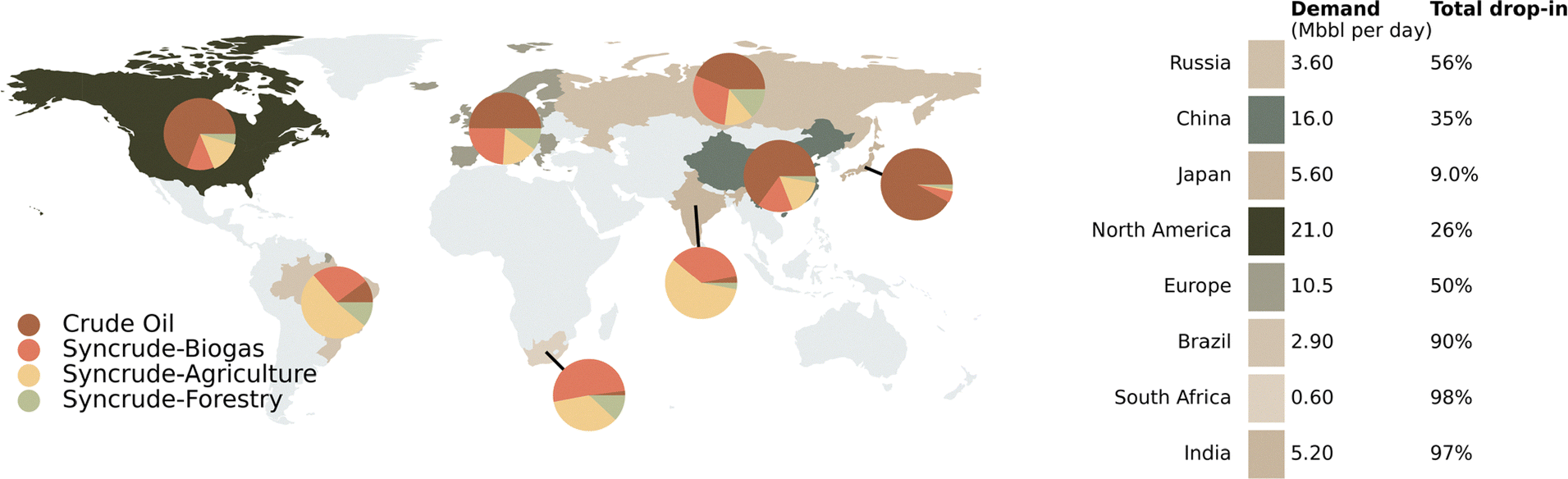 | ||
| Fig. 2 Syncrude from local biogenic sources can replace large shares of the regional crude oil demand. The current demand of crude oil in the selected regions (Europe, North America, Brazil, Russia, India, China, South Africa, and Japan) could be replaced with syncrude from the listed sources (biogas, agricultural waste, and forestry biomass). The pie charts show the maximum drop-in potential of syncrude from a certain technology. The availability of biogenic sources is limited, so the residual demand was assumed to be continued to be supplied through fossil crude. | ||
Fig. 2 thus sets an upper bound on the technical feasibility of a bio-syncrude economy (assuming that all the resources would be devoted to the FT plants). While no region can completely replace petroleum demand using biogenic feedstocks alone, several present compelling opportunities. For example, Europe, where 3.8 billion barrels are imported annually, could substitute nearly half of its crude oil demand, which has strong implications considering high energy costs, security vulnerabilities, and scarce natural resources.73
Similarly, the BRICS nations exhibit substantial drop-in replacement potential, with Brazil, India, and South Africa approaching near-complete domestic syncrude self-sufficiency. The United States (US), despite having the world's largest petroleum demand (7.7 billion barrels annually) and recently becoming a net energy exporter due to shale gas, could cover over a quarter of its crude oil demand from renewable carbon. Moreover, US-produced syncrude could supply countries lacking natural resources, like Japan, or regions seeking rapid fossil fuel phase-out, such as Europe, enabling new, low-carbon energy trade flows.
Deploying a syncrude-based petrochemical industry would still require installation of new infrastructure on a large scale. Table 1 shows the required production levels to cover the full petroleum market under the assumption that the full potential of biomass and biogas is utilised, i.e., the maximum amount of syncrude per source. The residual demand of crude oil, indicated in brown in Fig. 2, was assumed to be replaced by e-syncrude from CCU. The results in Table 1 therefore correspond to a syncrude mixture covering the total cumulative petroleum demand in the eight selected economies, consisting of 16% of syncrude from biogas, 25% biomass-derived, and the remaining 59% assumed to be produced through CCU. This translates into 65 Mbbl of fossil crude oil per day replaced globally by the said mix.
| Syncrude route | Technology | Unit | Current production | Required production | Scale-up |
|---|---|---|---|---|---|
| a Announced 2030 storage capacity. | |||||
| CCU – 59% | Green H276 | Mtpa | 0.1 | 857 | 8570× |
| DAC CO276 | Mtpa | 0.004 | 5076 | 1264460× |
|
| Renewable power77 | TWh | 12609 |
47142 |
4× | |
| Biogas – 16% | Biogas production78 | bcm | 45 | 700 | 9× |
| Biomass – 25% | Biomass76 | Mtpa | 0.1 | 4300 | 43000× |
| Overall | Fischer–Tropsch76 | Mtpa | 7.3 | 2952 | 405× |
| Labour | FTE | — | 20172000 |
— | |
| CO2 storage capacity75 | Gtpa | 0.6a | 5.5 | 9× | |
The results show a massive requirement for both labour and construction. A syncrude economy would require a true industrial transformation, which could create up to 20 million full-time jobs, based on literature data on the full-time equivalent (FTE) labour requirements for each technology (see Table S18 of the SI). These labour requirements could be quantified more accurately through a social life cycle assessment (sLCA), which is beyond the scope of our work. Moreover, the scale at which technologies would need to be deployed far exceeds current production levels. As shown in Fig. 2, the resources required for these technologies would be, in principle, available, yet their deployment remains limited. Particularly, investments in CCU and a hydrogen economy have been lagging behind the amounts required. Moreover, the geological storage capacity needed to permanently remove the CO2 captured from the oxy-combustion of the lightest CDU outlet product would be over 100 times current levels.74 In total, up to 5.5 Gt of CO2 would need to be stored, about 900% of the expected operational global storage capacity in 2030 (0.6 Gt).75
Biomass-based syncrude can lead to small economic premiums
Syncrude could significantly reduce global dependence on fossil crude oil, yet investment decisions depend on clear economic incentives and manageable risks. Fig. 3 presents the estimated average global production cost of syncrude by feedstock type, including a detailed cost breakdown. The total annualised costs were calculated for the production of syncrude and normalised per barrel, assuming a total syncrude production of 4.2 Mtpa, a typical throughput for a refinery.79 These levelised costs are benchmarked against the average market price of crude oil to provide context. Additional economic results also account for the cost of operating the full MDS system, including the CDU and cracking units. For these units, we estimate that this would add 300 million USD per year to the capital expenditure of the MDS, corresponding to 2.5 USD per barrel of syncrude. For a fair comparison between fossil and syncrude, these costs were excluded from Fig. 3. | ||
| Fig. 3 Cost per barrel of produced syncrude from different sources and comparison to current crude oil market prices. For each syncrude feedstock, the total cost of producing syncrude was calculated. The overall cost was driven primarily by feedstock expenses, with capital expenditures contributing only marginally. Natural gas, biogas, and biomass require large amounts of heating for the reformer and gasifier, respectively. In general, the price of feedstock contributes the most to overall costs. Uncertainty bars reflect variations in feedstock, natural gas, and electricity costs, based on global average prices, as described in Tables S16 and S17 of the SI. | ||
Our analysis reveals that syncrude derived from forestry residues falls within a comparable cost range to fossil crude oil (80 USD per bbl versus 77 USD per bbl, respectively). Although bio-syncrude shows to be competitive to fossil crude, we note that the market price of petroleum is much higher than its extraction price (10 to 50 USD per bbl).80 In contrast to forestry, biogas- and agriculture-based syncrude carries a cost premium (125 USD per bbl), driven primarily by higher feedstock prices. For biogas, it should be noted that the uncertainty in feedstock costs is relatively large, and significantly lower costs may therefore be achievable. Biomass-derived syncrude, in general, exhibits elevated process heating demands derived from the energy intensive steam gasification stage.
The economic advantage of utilising biogas as a chemical feedstock extends beyond syncrude production, as evidenced in applications such as ammonia synthesis.57 Although biogas availability is inherently limited and its optimal allocation remains uncertain, our results position syncrude production as a competitive candidate in this prioritisation.
Conversely, the elevated costs of green hydrogen and DAC CO2 render the CCU-based syncrude pathway economically unappealing under current conditions. Even if feedstock prices align with projected 2050 targets, 2.4 USD per kg hydrogen and 123 USD per tonne CO2, CCU-syncrude production costs would remain roughly four times higher than that of crude oil.81 These findings are consistent with the existing literature on FT products.82 Specifically, Seymour et al. found that FT-fuels from DAC CO2 would remain approximately three times more expensive than fossil fuels in Europe, while Eyberg et al.83 reported that both FT- and CCU methanol-based aviation fuels would entail costs way above current market prices.84
All in all, bio-based FT products generally remain approximately within the cost range of their fossil-derived equivalents, albeit with greater uncertainty driven by the variability of bio-based feedstock prices.85,86 In contrast, CO2 utilisation in FT processes appears to be economically unviable under current conditions. Processes enabling direct hydrogenation, such as methanol or higher alcohol synthesis, may provide a more viable and scalable route for CO2 valorisation.87,88
In our calculations, process heating is assumed to be supplied by natural gas, maintaining compatibility with existing refinery infrastructure and steam networks. While substitution with more sustainable heat sources (e.g., biogas, electrification, or heat pumps) is feasible, such analyses are beyond the scope of this study. Finally, the process generates substantial CO2 from the oxy-combustion of light hydrocarbons, in addition to the significant CO2 already present in the syngas (see Section S2 of the SI). To enhance the environmental performance of the MDS, this CO2 could be captured and stored geologically. Literature estimates suggest storage costs of approximately 5–30 USD per tonne of CO2 removed, representing only a marginal increase relative to the overall syncrude production cost.89
Regional energy prices strongly affect the profitability of a syncrude economy
The results shown in Fig. 3 correspond to global average costs. Nonetheless, syncrude profitability can be heavily influenced by regional utility prices. Therefore, we assessed the economic impact of electricity and heating prices at a regional level on the syncrude cost (Fig. 4). In this analysis, syncrude production costs were calculated for each region individually, based on biogas-derived syncrude and regional data for heating and electricity costs, while capital expenditures and feedstock prices were assumed to reflect global averages. | ||
| Fig. 4 Regional cost of heating and electricity impacts the biogas-derived syncrude economic potential. Cost per barrel of syncrude from biogas, based on regional feedstock prices. Regional data on natural gas and electricity prices were used, as described in Table S17 of the SI. For the lower range of biogas costs, bio-syncrude would have the potential to outperform crude oil (the range given corresponds to the price variability in 2024). | ||
Energy prices at the higher end of the evaluated range would result in a less competitive syncrude-based industry. For example, in Europe, bio-based syncrude would come at a cost between 100 and 140 USD per bbl, depending on the cost of biogas. Compared to current crude oil prices (77 USD per bbl on average in recent years), this would come at a premium of 29 to 82% per bbl.
The energy crisis in the UK and the EU caused by the Russian invasion of Ukraine exerted a tremendous economic pressure on energy-intensive industries.90–92 Since then, sectors such as chemicals and steel have struggled to remain economically competitive, with energy prices still more than twice their pre-crisis levels. Consequently, several chemical plants have closed down or put on for sale.73,93
Reducing energy prices will be a challenging task for policymakers, but Fig. 4 shows the immense benefit of succeeding. Regions with an abundance of natural gas, e.g., the Unites States or Russia, could potentially produce syncrude at competitive costs relative to current crude oil trading prices. The implementation of an MDS industry in these regions could be strategic, even though they are already energy independent. Syncrude has a similar density to crude oil and could therefore be easily integrated into existing petroleum supply chains in regions that majorly import energy such as Europe and Japan. Again, a win–win scenario could perhaps emerge, where profits could be made, while countries shift away from fossil fuels. At the same time, these feedstocks are limited and compete with other sectors, making it necessary to prioritise their applications.
Syncrude can substantially reduce the fossil refineries’ carbon footprint at the expense of other environmental impacts
The LCA results in Fig. 5 demonstrate that producing syncrude from sustainable feedstocks results in substantially lower GHG emissions compared to conventional crude oil. As expected when integrating sustainable feedstocks, all syncrude pathways outperform crude oil in terms of GHG emissions, which exhibits a well-to-refinery carbon intensity of approximately 100 kg CO2-eq. per barrel.94 The use of biogenic feedstocks contributes to a net negative cradle-to-gate global warming potential (GWP) impact, as renewable CO2, removed from the atmosphere, is stored in syncrude. In contrast, the process heat and electricity required for syngas generation and FT synthesis lead to positive GWP impact contributions. Although relevant for supply chain optimization, factors such as feedstock transport and processing have negligible climate impacts compared to other contributions and were therefore excluded from the scope of this study (see Section S4 of the SI). Our findings align with previous studies reporting that FT-derived fuels and chemicals yield lower GHG emissions than their fossil-based equivalents.95–97Fig. 5 also illustrates the climate change impact of co-producing naphtha, kerosene, and diesel from syncrude. These results were generated by replacing fossil oil with syncrude in the ecoinvent database and using the same downstream data and assumptions therein to estimate the footprint of its derivatives. Biogas- and biomass-derived syncrudes show the lowest emissions, following a consistent trend across all three products. This pattern arises because the products’ feedstock, i.e., syncrude, dominates the overall results, while refinery process emissions, though non-negligible, have a limited influence. | ||
| Fig. 5 Renewable syncrude results in net-negative refinery operations regardless of feedstock. For syncrude production, the feedstock contributed most significantly to the overall GWP impact, with heating and electricity representing minor contributions. The red dots indicate the overall GWP impact for the production of syncrude assuming that the CO2 from the lightest hydrocarbon fraction is not stored geologically. The production of naphtha, kerosene, and diesel resulted in negative cradle-to-gate emissions. Overall, similar trends were observed across all products, with the GWP impact primarily dictated by the contribution of the feedstock, i.e., the syncrude. | ||
The results in Fig. 5 are based on a cradle-to-gate system boundary, covering the processes from renewable feedstock supply to the production of petrochemical intermediates. As discussed earlier, significant amounts of CO2 are generated throughout the process, particularly during syngas formation and the combustion of the FT off-gas. These concentrated CO2 flows are considered to be geologically stored rather than released to the atmosphere. This assumption naturally leads to lower GHG emissions per functional unit. However, the syncrude production pathways from biogas and forestry would still outperform conventional crude oil in the absence of carbon storage, since its carbon content originates from atmospheric CO2 rather than from fossil sources. Conversely, if no CO2 is captured and stored after the biomass gasification process, the substantial heating demand for producing syncrude from agricultural waste leads to a higher overall climate change impact per kilogram of syncrude compared to conventional crude oil. These findings are shown by the red dots in Fig. 5, which indicate the total GHG emissions per kg of syncrude when the CO2 stream is not stored geologically. For the CCU route, all CO2 was already assumed to be recycled, thereby lowering the demand of fresh DAC CO2.
We also quantify the human health, ecosystem quality, and natural resource end points to assess the potential for burden shifting, i.e., inadvertently worsening other impact categories in pursuit of lowering one environmental impact (Fig. S8–S12 of the SI). The results show that all renewable syncrude pathways have greater impacts on human health and ecosystem quality compared with fossil-derived crude. In contrast, impacts on natural resources remain largely comparable to the fossil baseline. The increase in ecosystem quality impacts is primarily driven by land requirements for cultivating biogenic feedstocks (biomass and biogas) and by the deployment of renewable electricity within the CCU pathway.
For human health and natural resource indicators, the substantial heating and electricity demand in syncrude production maintain a significant reliance on fossil energy carriers, partially offsetting the climate benefits of the renewable alternatives. For syncrude produced from agricultural residues, natural resource impacts increase due to multiple factors: the energy and materials required for collection, drying, and transport of residues; the allocation of environmental burdens among competing uses of the residues; and losses during pre-treatment and gasification. In contrast, syncrude from dedicated energy crops may shift burdens primarily because of land use, fertiliser application, and irrigation demands.
Our findings highlight important trade-offs in the transition to low-carbon refinery operations. While syncrude offers substantial GHG mitigation potential, careful feedstock management is required to avoid unintended consequences in human health and ecosystems. Strategies that prioritise abundant, sustainably sourced biomass or combine multiple feedstocks may help balance climate benefits with other environmental objectives. Overall, the LCA results underscore the need for integrated assessments of both climate and non-climate impacts when evaluating renewable alternatives to crude oil, providing guidance for the design of environmentally responsible syncrude pathways.
Mitigation via syncrude is cheaper than removal via DACS and BECCS in many regions
Finally, we developed a linear programming (LP) model to determine the optimal blend of fossil and syncrude depending on predefined objectives, i.e., cost and GHG emission minimisation. Starting at an assumed crude oil price of 60 USD per barrel, Fig. 6a shows the average cost as the GHG emissions of the blend are gradually reduced. The corresponding cradle-to-gate net-zero emission (NZE) composition and cost are shown in Fig. 6b. | ||
| Fig. 6 The syncrude economy could provide a drop-in solution to reach net-zero refinery operations. (a) Pareto plot showing the effect of reducing GHG emissions per barrel on the average cost of a barrel. The linear model can blend crude oil with syncrude from biogas, biomass and CCU, using average emission data (cradle-to-gate) and local cost results. The blending tool is constrained by the local feedstock availability and, therefore, shows different results for each region. The figure also displays the average cost per barrel at the cradle-to-gate net-zero refinery (NZR) point, highlighted by the horizontal dashed line at 0 kg CO2-eq. per bbl. (b) The abatement cost to reach NZR operations in each country is provided, as well as the regional crude breakdown. In China, Japan, and North America, syncrude from CCU is required to reach net-zero refineries, while in other regions, the blend with bio-syncrude is already sufficient. The uncertainty in abatement cost follows directly from the sensitivity analyses for levelised cost and emissions. (c) Marginal cost of abatement results for this work, where the NZR results for each country are compared to the most recent estimated costs of negative emission technologies usually mentioned in the context of defossilising the oil and gas industry based on literature data.98–101 | ||
The abatement curves illustrate the optimal regional pathways for phasing out crude oil. In the initial stages, the model prioritises the use of biogas and forestry residues, as these options offer the lowest abatement costs (approximately 62 and 49 USD per tonne CO2, respectively). Once these resources are fully utilised, agricultural waste is introduced by the model to further reduce average GHG emissions per barrel of oil equivalent. In the final step, CCU-derived syncrude is employed to achieve complete fossil fuel substitution. The full syncrude economies are indicated by the circles in Fig. 6a.
A full syncrude economy would require substantial investments and may not be fully realistic in the near future. Instead, NZE refinery operations might emerge as a practical intermediate target for the industry. Fig. 6a highlights the average cost of NZE refineries, resulting in an average cost per barrel as low as 65 USD per bbl.
Fig. 6b zooms in on the corresponding NZE composition and abatement cost for each region. Countries with abundant biogenic feedstocks and low energy costs can achieve full crude replacement at average costs below 100 USD per barrel. Japan is the notable exception: limited biomass and biogas availability force reliance on CCU, driving marginal abatement costs above 1300 USD per tonne CO2. For all other regions, costs range between 50 and 160 USD per tonne CO2, comparable to or lower than those of established climate strategies and negative emission technologies (NET), such as BECCS, DACCS, biochar, and enhanced weathering, as shown in Fig. 6c.98–101
Importantly, countries do not need to fully exploit their biogenic potential, as shown in Fig. 2, to reach NZE refinery operations, leaving resources available for other applications. While NZE refineries could contribute substantially to achieving the Paris Agreement's interim goal of halving global emissions by 2030, meeting the longer-term objective of net-zero cradle-to-grave emissions by 2050 will require additional measures. The results presented in Fig. 6b outline a potentially cost-effective and, in principle, technically feasible pathway for large-scale GHG mitigation within the oil and gas sector.
Conclusions
FT syncrude has been technically viable for decades, yet its strategic role in the energy transition remains underexplored. Our results demonstrate that syncrude produced from biogenic feedstocks could replace up to a substantial share of global crude oil demand, while making use of existing refinery infrastructure for a potentially feasible and cost-effective deployment. Regional energy prices are decisive: in regions with abundant low-cost natural gas, such as the United States and Russia, syncrude could be produced at potentially competitive prices compared to fossil crude costs. In higher-cost regions, it still offers a credible pathway towards energy independence and emission reduction targets, while entailing a green premium that depends on the specific case. These findings could position syncrude as a scalable, infrastructure-compatible option that could align industrial competitiveness with climate objectives and strategic autonomy arguments.The policy and geopolitical implications are considerable. Persistently high energy prices threaten the viability of energy-intensive industries, as illustrated by widespread shutdowns of petrochemical infrastructure during Europe's 2022 energy crisis.102,103 Recent volatility in petroleum and natural gas markets has renewed concerns over energy security.104 Without decisive policy intervention, investment inertia and structural decline may continue. Targeted measures, such as carbon pricing, feedstock incentives and infrastructure support, could unlock syncrude's potential and enhance industrial resilience.105 Large-scale deployment could also reshape global energy trade: import-reliant regions such as Europe and Japan could gain more independence, while some biogas-rich countries could emerge as exporters of low-carbon syncrude, thereby contributing to meeting the climate targets. The results show that syncrude offers a unifying strategy to reduce the crude oil dependence and could create a strategic advantage through domestic fuel and petrochemical production.
Realising this potential requires further research and technological advances. A more detailed analysis of competing uses and land-use constraints would help to further refine the calculations.106,107 Advances in FT catalysts and process intensification could lower costs and improve tolerance to variable feedstocks, while integrating more sustainable power and heating sources in syncrude production and refining could further reduce lifecycle emissions.108,109 Furthermore, accounting for the retrofit costs or regulatory heterogeneity of a potential syncrude-based economy could provide further insights into the transition process.
Meanwhile, the oil sector is beginning to adapt: refineries are being retrofitted to process alternative feedstocks, electrify operations, and capture emissions, allowing existing infrastructure to be repurposed rather than replaced.110 More broadly, governments and industries are tightening fuel standards, phasing out high-emission fuels and setting targets for reduced crude oil use, creating a clear long-term signal that the role of fossil crude in the energy system is set to decline.73 In this evolving landscape, syncrude, combined with other low-carbon technologies, could contribute to a resilient, climate-aligned industrial future.
Our findings are subject to several sources of uncertainty and underlying assumptions, particularly regarding the cost and availability of biomass and biogas. Further research is needed on how to prioritise these scarce feedstocks in a defossilising economy. Ensuring access to these feedstocks at competitive prices would lower investment risks, which currently represent a major barrier for industry. Nevertheless, despite these uncertainties, our main conclusions are deemed robust: syncrude could replace substantial fractions of crude oil at a potentially competitive cost premium, while enabling countries to cut their emissions and move toward more independent energy production.
Author contributions
HK: conceptualisation, methodology, visualisation, formal analysis, writing – original draft, writing – review, and editing; JDMG: conceptualisation, methodology, visualisation, validation, writing – original draft, writing – review and editing, and supervision; AN: methodology, formal analysis, writing – review, and editing; GGG: conceptualisation, validation, writing – original draft, writing – review and editing, supervision, and project administration.Conflicts of interest
There are no conflicts to declare.Data availability
The data presented in the figures of this paper are publicly available via Zenodo (https://zenodo.org/records/19666109). The background LCI datasets used in this study are available in the ecoinvent v3.10 (cut-off system model) database and can be accessed at https://ecoinvent.org. Other supporting data are available from the corresponding author upon request.Supplementary information (SI) is available. See DOI: https://doi.org/10.1039/d5ee07428b.
Acknowledgements
This publication was created as part of NCCR Catalysis (grant number 225147), a National Centre of Competence in Research funded by the Swiss National Science Foundation.References
- World – World Energy Balances, https://www.iea.org/reports/world-energy-balances-overview/world, (accessed 10 August 2025).
- Fossil Fuels, EESI, https://www.eesi.org/topics/fossil-fuels/description, (accessed 10 August 2025).
- H. Ritchie, P. Rosado and M. Roser, CO2 emissions by fuel, https://ourworldindata.org/emissions-by-fuel, (accessed 10 August 2025).
- J. P. Tilsted and P. Newell, Rev. Int. Polit. Econ., 2025, 32, 1214–1238 CrossRef.
- Y. Yang, Z. Liu, H. B. Saydaliev and S. Iqbal, Resour. Policy, 2022, 77, 102689 CrossRef.
- A. Sinha, D. Balsalobre-Lorente, M. W. Zafar and M. M. Saleem, J. Environ. Manage., 2022, 304, 114299 CrossRef PubMed.
- J.-P. Lange, Energy Environ. Sci., 2021, 14, 4358–4376 RSC.
- M. Tamba, J. Krause, M. Weitzel, R. Ioan, L. Duboz, M. Grosso and T. Vandyck, Technol. Forecase. Soc., 2022, 182, 121803 CrossRef PubMed.
- P. Vishnuram, S. Alagarsamy, M. Bajaj, M. Alqahtani, I. Ahmed and M. Khalid, Energy Strategy Rev., 2025, 61, 101894 CrossRef.
- S. Verma, G. Dwivedi and P. Verma, Mater. Today: Proc., 2022, 49, 217–222 CAS.
- B. Wang, Z. J. Ting and M. Zhao, Carbon Capture Sci. Technol., 2024, 13, 100263 CAS.
- F. M. Kanchiralla, S. Brynolf and A. Mjelde, Energy Environ. Sci., 2024, 17, 6393–6418 RSC.
- Á. Galán-Martín, V. Tulus, I. Díaz, C. Pozo, J. Pérez-Ramírez and G. Guillén-Gosálbez, One Earth, 2021, 4, 565–583 CrossRef.
- M. Svanberg, J. Ellis, J. Lundgren and I. Landälv, Renewable Sustainable Energy Rev., 2018, 94, 1217–1228 CrossRef CAS.
- G. Lopez, D. Keiner, M. Fasihi, T. Koiranen and C. Breyer, Energy Environ. Sci., 2023, 16, 2879–2909 RSC.
- E. López-Basto, G. Korevaar, S. E. Tanzer and A. R. Ramírez, Cleaner Energy Syst., 2024, 9, 100161 CrossRef.
- V. Fetisov, A. M. Gonopolsky, M. Y. Zemenkova, S. Andrey, H. Davardoost, A. H. Mohammadi and M. Riazi, Energies, 2023, 16, 865 CrossRef CAS.
- N. Sunny, A. Bernardi, D. Danaci, M. Bui, A. Gonzalez-Garay and B. Chachuat, Front. Chem. Eng., 2022, 4, 804163 CrossRef.
- J. P. Tilsted, F. Bauer, C. Deere Birkbeck, J. Skovgaard and J. Rootzén, One Earth, 2023, 6, 607–619 CrossRef.
- K. Halttunen, R. Slade and I. Staffell, Energy Res. Soc. Sci., 2023, 104, 103253 CrossRef.
- V. Lantushenko and C. Schellhorn, Glob. Finance J., 2023, 56, 100829 CrossRef.
- M. H. Goldberg, J. R. Marlon, X. Wang, S. van der Linden and A. Leiserowitz, Proc. Natl. Acad. Sci. U. S. A., 2020, 117, 5111–5112 CrossRef CAS PubMed.
- G. Gentile and J. Gupta, Renewable Sustainable Energy Rev., 2025, 212, 115359 CrossRef.
- A. de Klerk, Green Chem., 2007, 9, 560–565 RSC.
- A. Colasante, I. D’Adamo and P. Morone, Energy Res. Soc. Sci., 2022, 85, 102405 CrossRef.
- M. F. Mekky and A. R. Collins, Renewable Sustainable Energy Rev., 2024, 191, 114014 CrossRef.
- Q. Wang, F. Ren and R. Li, Humanit. Soc. Sci. Commun., 2024, 11, 1071 CrossRef.
- A. Hemmelder, F. Tietze, S. Lux, J. Leker, L. Jahnke and S. von Delft, Energy Environ. Sci., 2025, 18, 6117–6130 RSC.
- K. Block, M. Li, J. Gärtner and M. Lenzen, npj Clim. Action, 2025, 4, 33 CrossRef.
- J. Wanner, L. Stern, D. Spiro, P. Richter, M. Kalkuhl, M. Jakob, M. De Vries, K. Conyngham and T. Beaufils, The Geopolitical Externality of Climate Policy, 2025.
- J. Richardson, Geopolitics have always shaped the petrochemicals industry, https://www.icis.com/asian-chemical-connections/2022/03/geopolitics-have-always-shaped-the-petrochemicals-industry/, (accessed 6 October 2025).
- Z. Zhu, A. I. Hunjra, S. S. Alharbi and S. Zhao, Energy Economics, 2025, 145, 108495 CrossRef.
- O. Deutschmann, H. Knözinger, K. Kochloefl and T. Turek, in Ullmann's Encyclopedia of Industrial Chemistry, John Wiley & Sons, Ltd, 2011 Search PubMed.
- A. Yohannes and I. Gates, Coord. Chem. Rev., 2026, 547, 217096 CrossRef CAS.
- A. Ayala-Cortés, C. Di Stasi, D. Torres, J. L. Pinilla and I. Suelves, Renewable Sustainable Energy Rev., 2025, 215, 115633 CrossRef.
- D. A. Bell, B. F. Towler and M. Fan, in Coal Gasification and Its Applications, Elsevier, 2011, pp. 373–391 Search PubMed.
- M. J. v.d. Burgt, C. J. van Leeuwen, J. J. del’Amico and S. T. Sie, in Studies in Surface Science and Catalysis, ed. D. M. Bibby, C. D. Chang, R. F. Howe and S. Yurchak, Elsevier, 1988, vol. 36, pp. 473–482 Search PubMed.
- J. Eilers, S. A. Posthuma and S. T. Sie, Catal. Lett., 1990, 7, 253–269 CrossRef CAS.
- M. Senden and M. McEwan, in WPC-30302, 16th World Petroleum Congress, 2000.
- U. Bardi, Energy Res. Soc. Sci., 2019, 48, 257–261 CrossRef.
- C. J. Campbell and J. H. Laherrère, Sci. Am., 1998, 278, 78–83 CrossRef.
- R. Overtoom, N. Fabricius and W. Leenhouts, in Proceedings of the 1st Annual Gas Processing Symposium, ed. H. E. Alfadala, G. V. Rex Reklaitis and M. M. El-Halwagi, Elsevier, Amsterdam, 2009, vol. 1, pp. 378–386 Search PubMed.
- K. Halttunen, R. Slade and I. Staffell, Energy Res. Soc. Sci., 2022, 85, 102407 CrossRef PubMed.
- P. K. Gupta, V. Kumar and S. Maity, J. Chem. Technol. Biotechnol., 2021, 96, 853–868 CrossRef CAS.
- E. Anetjärvi, D. Klüh, M. Dossow, K. Melin and E. Vakkilainen, Appl. Therm. Eng., 2025, 278, 127278 CrossRef.
- M. Ostadi and M. Hillestad, Sustainable Energy Fuels, 2022, 6, 3402–3415 RSC.
- W.-C. Wang, Y.-C. Liu and R. A. A. Nugroho, Energy, 2022, 239, 121970 CrossRef CAS.
- J. D. Medrano-García, M. A. Charalambous and G. Guillén-Gosálbez, ACS Sustainable Chem. Eng., 2022, 10, 11751–11759 CrossRef PubMed.
- O. L. Eliseev, Russ. J. Gen. Chem., 2009, 79, 2509–2519 CrossRef CAS.
- A. De Klerk, Green Chem., 2008, 10, 1249 RSC.
- A. De Klerk, Energy Environ. Sci., 2011, 4, 1177–1205 RSC.
- S. Tomasek, F. Lonyi, J. Valyon, A. Wollmann and J. Hancsók, ACS Omega, 2020, 5, 26413–26420 CrossRef CAS PubMed.
- V. Calemma, C. Gambaro, W. O. Parker, R. Carbone, R. Giardino and P. Scorletti, Catal. Today, 2010, 149, 40–46 CrossRef CAS.
- J. E. Gwyn, Fuel Process. Technol., 2001, 70, 27–40 CrossRef CAS.
- J. D. Medrano-García, R. Ruiz-Femenia and J. A. Caballero, J. CO2 Util., 2017, 22, 355–373 CrossRef.
- R. Rinaldi, G. Lombardelli, M. Gatti, C. G. Visconti and M. C. Romano, J. Cleaner Prod., 2023, 393, 136259 CrossRef CAS.
- R. Istrate, A. Nabera, J. Pérez-Ramírez and G. Guillén-Gosálbez, One Earth, 2024, 7, 2235–2249 CrossRef.
- H. Kolmeijer, A. Nabera, A. J. Martín, G. Guillén-Gosálbez and J. Pérez-Ramírez, Green Chem.
- J. D. Medrano-García, M. T. Chagas and G. Guillén-Gosálbez, ACS Sustainable Chem. Eng., 2025, 13, 7088–7097 CrossRef PubMed.
- R. G. dos Santos and A. C. Alencar, Int. J. Hydrogen Energy, 2020, 45, 18114–18132 CrossRef CAS.
- M. Shahabuddin, M. T. Alam, B. B. Krishna, T. Bhaskar and G. Perkins, Bioresour. Technol., 2020, 312, 123596 CrossRef CAS PubMed.
- I. Ioannou, J. Javaloyes-Antón, J. A. Caballero and G. Guillén-Gosálbez, ACS Sustainable Chem. Eng., 2023, 11, 1949–1961 CrossRef CAS PubMed.
- S. Pratschner, F. Radosits, A. Ajanovic and F. Winter, J. CO2 Util., 2023, 75, 102563 CrossRef CAS.
- F. Hofmann, C. Tries, F. Neumann, E. Zeyen and T. Brown, Nat. Energy, 2025, 10, 715–724 CrossRef.
- K. Sievert, T. S. Schmidt and B. Steffen, Joule, 2024, 8, 979–999 CrossRef CAS.
- E. Curcio, Int. J. Hydrogen Energy, 2025, 128, 473–487 CrossRef CAS.
- G. Wernet, C. Bauer, B. Steubing, J. Reinhard, E. Moreno-Ruiz and B. Weidema, Int. J. Life Cycle Assess., 2016, 21, 1218–1230 CrossRef.
- C. Mutel, J. Open Source Softw., 2017, 2, 236 CrossRef.
- International Standards Organization, In ISO 14040:2006 Environmental Management--Life Cycle Assessment--Principles and Framework, 2006.
- International Standards Organization, In ISO 14044:2006 Environmental Management--Life Cycle Assessment--Requirements and Guidelines, 2006.
- M. A. J. Huijbregts, Z. J. N. Steinmann, P. M. F. Elshout, G. Stam, F. Verones, M. Vieira, M. Zijp, A. Hollander and R. van Zelm, Int. J. Life Cycle Assess., 2017, 22, 138–147 CrossRef.
- Intergovernmental Panel on Climate Change (IPCC), Climate Change 2021 – The Physical Science Basis: Working Group I Contribution to the Sixth Assessment Report of the Intergovernmental Panel on Climate Change, Cambridge University Press, 1st edn, 2023 Search PubMed.
- The Draghi report on EU competitiveness, https://commission.europa.eu/topics/eu-competitiveness/draghi-report_en, (accessed 16 August 2025).
- CCUS projects around the world are reaching new milestones – Analysis, https://www.iea.org/commentaries/ccus-projects-around-the-world-are-reaching-new-milestones, (accessed 16 August 2025).
- Carbon Capture Utilisation and Storage - Energy System, https://www.iea.org/energy-system/carbon-capture-utilisation-and-storage, (accessed 15 August 2025).
- E. T. C. Vogt and B. M. Weckhuysen, Nature, 2024, 629, 295–306 CrossRef CAS PubMed.
- Global Electricity Review 2025, https://ember-energy.org/latest-insights/global-electricity-review-2025, (accessed 13 August 2025).
- Special section, https://www.iea.org/reports/renewables-2023/special-section-biogas-and-biomethane, (accessed 13 August 2025).
- Refineries map, https://www.concawe.eu/refineries-map/, (accessed 16 August 2025).
- Production cost breakdown per barrel of oil in top oil producing countries 2015, https://www.statista.com/statistics/597669/cost-breakdown-of-producing-one-barrel-of-oil-in-the-worlds-leading-oil-producing-countries/, (accessed 15 August 2025).
- A. Nabera, A. J. Martín, R. Istrate, J. Pérez-Ramírez and G. Guillén-Gosálbez, Green Chem., 2024, 26, 6461–6469 RSC.
- M. Marchese, G. Buffo, M. Santarelli and A. Lanzini, J. CO2 Util., 2021, 46, 101487 CrossRef CAS.
- V. Eyberg, V. Dieterich, S. Bastek, M. Dossow, H. Spliethoff and S. Fendt, Energy Convers. Manage., 2024, 315, 118728 CrossRef CAS.
- K. Seymour, M. Held, B. Stolz, G. Georges and K. Boulouchos, Sustainable Energy Fuels, 2024, 8, 811–825 RSC.
- A. Brown, L. Waldheim, I. Landälv, J. Saddler, M. Ebadian, J. D. McMillan, A. Bonomi and B. Klein, Advanced Biofuels – Potential for Cost Reduction, IEA Bioenergy, 2020.
- A. Ramasary, E-fuels: a techno-economic assessment of European domestic production and imports towards 2050, Concawe, 2025.
- C. H. Vo, J. Pérez-Ramírez, S. Farooq and I. A. Karimi, ACS Sustainable Chem. Eng., 2022, 10, 11875–11884 CrossRef CAS.
- H. A. Daggash, C. F. Patzschke, C. F. Heuberger, L. Zhu, K. Hellgardt, P. S. Fennell, A. N. Bhave, A. Bardow and N. M. Dowell, Sustainable Energy Fuels, 2018, 2, 1153–1169 RSC.
- A. Hatta, C. Consoli and S. Mojtaba, Cost of CO2 storage, Global CCS Institute, 2025 Search PubMed.
- A. Nabera, I.-R. Istrate, A. J. Martín, J. Pérez-Ramírez and G. Guillén-Gosálbez, Green Chem., 2023, 25, 6603–6611 RSC.
- Plan for stronger EU chemical industry - European Commission, https://commission.europa.eu/news-and-media/news/plan-stronger-eu-chemical-industry-2025-07-08_en, (accessed 13 August 2025).
- G. Bijnens, J. Hutchinson, J. Konings and A. S. Guilhem, The interplay between green policy, electricity prices, financial constraints and jobs: Firm-level evidence, ECONSTOR, 2021 Search PubMed.
- F. Landini, P. Lombardi, M. Narayan and A. Somasekhar, Europe's chemical industry seeks a lifeboat to stay in business, https://www.reuters.com/business/energy/europes-chemical-industry-seeks-lifeboat-stay-business-2025-07-21/, (accessed 13 August 2025).
- Y. Dixit, H. El-Houjeiri, J.-C. Monfort, L. Jing, Y. Zhang, J. Littlefield, W. Long, C. Falter, A. Badahdah, J. Bergerson, R. L. Speth and S. R. H. Barrett, Nat. Commun., 2023, 14, 5975 CrossRef CAS PubMed.
- F. H. Masum, G. G. Zaimes, E. C. D. Tan, S. Li, A. Dutta, K. K. Ramasamy and T. R. Hawkins, Environ. Sci. Technol., 2023, 57, 12701–12712 CrossRef CAS PubMed.
- S. Ha, H. Jang, C. Park and B. Jeong, Renewable Sustainable Energy Rev., 2026, 226, 116219 CrossRef CAS.
- T. K. Poddar, G. G. Zaimes, S. Kar, D. M. Walker and T. R. Hawkins, Environ. Sci. Technol., 2023, 57, 19602–19611 CrossRef CAS PubMed.
- X. Zhao, B. K. Mignone, M. A. Wise and H. C. McJeon, Nat. Commun., 2024, 15, 2297 CrossRef CAS PubMed.
- Infographic, https://www.statista.com/chart/amp/35418/cost-of-carbon-removal-tech, (accessed 10 November 2025).
- W. Carton, A. Asiyanbi, S. Beck, H. J. Buck and J. F. Lund, WIREs Climate Change, 2020, 11, e671 CrossRef.
- Between a Rock and a Hard Cost, https://counteract.vc/perspectives/between-a-rock-and-a-hard-cost-the-economics-of-enhanced-weathering, (accessed 10 November 2025).
- Antwerp Platform Adapts to Energy Transition Challenges and Market Trends, https://totalenergies.com/news/press-releases/antwerp-platform-adapts-energy-transition-challenges-and-market-trends, (accessed 6 October 2025).
- Shell will not restart construction of Rotterdam biofuels plant | Shell Global, https://www.shell.com/news-and-insights/newsroom/news-and-media-releases/2025/shell-not-restart-construction-rotterdam-biofuels-plant.html, (accessed 6 October 2025).
- Global energy body convenes summit on unlocking emergency oil reserves, https://www.politico.eu/article/iea-convenes-global-summit-to-debate-unlocking-emergency-oil-reserves/, (accessed 11 March 2026).
- The Draghi report on EU competitiveness, https://commission.europa.eu/topics/eu-competitiveness/draghi-report_en, (accessed 6 October 2025).
- J. Huo, Z. Wang, P. Lauri, J. D. Medrano-García, G. Guillén-Gosálbez and S. Hellweg, Environ. Sci. Technol., 2024, 58, 13748–13759 CrossRef CAS PubMed.
- S. S. Cordova, J. Rasmussen and M. Gustafsson, Sustainable Prod. Consumption, 2025, 56, 490–503 CrossRef CAS.
- A. Keunecke, M. Dossow, V. Dieterich, H. Spliethoff and S. Fendt, Front. Energy Res., 2024, 12, 1344179 CrossRef.
- S. Chattopadhyay, K. Karthikeyan, R. Gandhi, I. E. Grossmann and A. I. Torres, Ind. Eng. Chem. Res., 2025, 64, 10131–10147 CrossRef CAS.
- H. Alcocer-García, C. Ramírez-Márquez and J. M. Ponce-Ortega, Chem. Eng. Process., 2025, 217, 110479 CrossRef.
| This journal is © The Royal Society of Chemistry 2026 |