Citrate-functionalized hydroxyapatite nanoparticles for pH-responsive drug delivery

Gunjan Verma*a, K. C. Baricka, Neena G. Shetakeb, B. N. Pandeyb and P. A. Hassana
aChemistry Division, Bhabha Atomic Research Centre, Mumbai-400085, India. E-mail: gunjanv@barc.gov.in; Fax: +91-22-25505151; Tel: +91-22-25590288
bRadiation Biology and Health Sciences Division, Bhabha Atomic Research Centre, Mumbai-400085, India

Received 25th April 2016 , Accepted 14th July 2016

First published on 10th August 2016


Abstract

The design and fabrication of multifunctional nanocarriers that can trigger the release of drugs with external stimuli such as pH, temperature is gaining increasing importance, and shows promising potential for clinical applications. This study demonstrates the synthesis of citrate-functionalized hydroxyapatite nanoparticles (Cit-HANPs) using a co-precipitation method and its in situ surface modification for drug delivery applications. The surface modification of nanoparticles with citric acid was evident from infrared spectroscopy, thermal analysis and zeta potential measurements. The nitrogen adsorption–desorption isotherm reveals formation of mesoporous Cit-HANPs with a large surface area of 182.9 m2 g−1. The anticancer drug, doxorubicin hydrochloride (DOX) was used as a model drug to evaluate the potential use of Cit-HANPs in drug delivery. The complexation of positively charged DOX to Cit-HANPs was apparent from the UV-visible spectroscopy. A loading efficiency of ∼85% (w/w) was observed with a drug to particle ratio of 1[thin space (1/6-em)]:[thin space (1/6-em)]10 and the loaded drug showed a pH dependent sustained release behaviour. The high drug loading capacity of Cit-HANPs has been attributed to the electrostatic binding of the positively charged drug to the negatively charged Cit-HANPs as well as their porous nature. The cell viability and hemolysis assay suggests that Cit-HANPs have insignificant toxicity. Furthermore, the cellular internalization capability of these citrate functionalized nanoparticles was substantiated by fluorescence microscopy studies.

1. Introduction

Hydroxyapatite Ca10(PO4)6(OH)2, (HAp) has attracted a great deal of attention in biomedical applications due to its excellent properties such as biocompatibility, bioactivity, biodegradability, and osteoconductivity. It is extensively used in orthopedic applications for bone repair and tissue engineering as it has composition similarity with bone and tooth minerals.1–3 HAp has also emerged as one of the most promising delivery vehicles for carrying various kinds of biomolecules such as proteins and hormones as well as different types of drugs including antibiotics, analgesics, anti-inflammatory and anti-cancer drugs.4–9 For example, HAp nanoparticles with a hollow core and mesoporous shell have shown pH-responsive controlled release of an anticancer drug, doxorubicin hydrochloride (DOX) along with enhanced anticancer efficacy in breast cancer cells (BT-20).10 Chen et al. have shown a sustained and controlled release behavior of loaded DOX and hydroxycamptothecin from a dual drug delivery system composed of mesoporous silica and HAp nanocarriers, which were simultaneously incorporated into poly(lactic-co-glycolic acid) (PLGA) nanofibers.11 HAp microspheres with hierarchical porous structure synthesized via citrate assisted hydrothermal method shows in vitro slow release of vancomycin, an antibiotic.12 HAp having magnetite particles has also been intensively studied for multifunctional applications, such as targeted drug delivery, magnetic hyperthermia treatment of tumors and novel magnetic guiding tissue regeneration.13–19 Further, the HAp nanoparticles containing hydrogels were evaluated as a promising drug carrier.20

In recent years, there is a growing interest in developing surface functionalized nanomaterials with suitable functionalities for drug delivery applications. It is well known that the surface functionalization of nanoparticles can offer many additional benefits due to synergistic properties of the nanoparticles and the substance it is being coated with.21–30 The presence of functional groups provides active sites for complexation of biomolecules and drugs to the nanoparticles. The surface modification of HAp can also change their behaviour in the physiological solution by altering their interaction with the tissue in vivo. Further, the stimuli responsive nanocarriers can be formulated through surface functionalization, which have the ability of controlled drug release in response to internal or external stimuli such as pH and temperature.22–24 There are few reports, which indicate that the presence of suitable functional groups on HAp enhances its drug binding efficacy as well as control the drug release. For instance, mesoporous nanosized HAp functionalized by alendronate showed higher drug loading capacity and slow release rate for ibuprofen as compared to normal HAp.25 In vitro studies on folic acid modified polyethylene glycol functionalized HAp nanoparticles demonstrated an initial rapid release followed by a sustained release of an anticancer drug, paclitaxel.26

Until now, various functionalities have been incorporated on HAp surface and their physicochemical properties have been investigated, however, their usage as a potential drug delivery vehicle has not been exploited to that extent.27–29 For surface functionalization, it is advantageous to use organic molecules having functional groups such as hydroxyl, carboxyl, amine, phosphate, thiol as they can enhance the complexation efficiency towards drugs and biomolecules. Moreover, it is preferable to have large number of uncoordinated functional groups on the nanoparticle surface, which would allow complexation of various biomolecules as well as drugs. Among others, citric acid has been extensively used for the surface modification of nanoparticles. The preparation of citrate-functionalized iron oxide nanoparticles as well as their complexation to biomolecules and drugs has been studied comprehensively.30 In this study, we have synthesized highly biocompatible mesoporous citrate-functionalized hydroxyapatite nanoparticles (Cit-HANPs) by a simple co-precipitation method and investigated their potential usage for the delivery of DOX. The surface functionalization of HAp nanoparticles with citrate moieties provided a large number of suitable sites for the complexation of DOX molecules. The drug loading efficiency of about 85% (w/w) was achieved due to electrostatic attraction of positively charged drug molecules towards negatively charged Cit-HANPs with a pH-responsive sustained release profile. The biocompatible nature of our functionalized nanoparticles along with their high loading affinity for DOX as well as pH-responsive sustained release and substantial cellular internalization formulates them promising drug carrier.

2. Experimental

2.1 Materials

Calcium nitrate tetrahydrate (Ca(NO3)2·4H2O) and disodium hydrogen phosphate (Na2HPO4), sodium hydroxide (NaOH) were obtained from S. D. Fine Chem. Ltd, Mumbai, India. Citric acid was purchased from Chemco Fine Chemicals, India. Doxorubicin hydrochloride (DOX) was procured from Sigma-Aldrich, USA. The acetate buffer (pH-4.0 and 5.0) and phosphate buffered saline (pH 7.4) were prepared using standard protocols. All chemicals utilized were of analytical grade unless otherwise specified and used without further purification. All the aqueous solutions were prepared using deionized water from a Millipore-MilliQ system (resistivity ∼ 18 MΩ cm).

2.2 Synthesis of citrate-functionalized hydroxyapatite nanoparticles

The synthesis of Cit-HANPs was carried out by co-precipitation method at 40 °C. Briefly, 3.54 g of Ca(NO3)2·4H2O and 1.5 g citric acid were dissolved in 50 mL deionized water and pH was adjusted to 11.0 using NaOH solution (solution A). In another solution, 1.28 g of Na2HPO4 was dissolved in 30 mL deionized water and the pH of the solution was maintained at 11.0 by adding NaOH solution (solution B). The solution B was added dropwise to solution A under stirring at the rate of 2 mL min−1. After completion of the precipitation, the stirring was continued for another 2 h. The pH of the solution was maintained in between 10 and 11 throughout the experiment. The solution was kept as such for 24 hours and the supernatant was decanted. The precipitate was washed several times with deionized water and then centrifuged at 8000 rpm for 5 minutes and finally kept for drying in oven at 80 °C. Pure hydroxyapatite nanoparticles (HANPs) were also prepared using the same procedure as mentioned above in the absence of citric acid.

2.3 Structural characterization

Powder X-ray diffraction patterns were recorded on PXRD, Phillips PW1710 with Cu Kα radiation. Data were collected from 20° to 60° with a step size of 0.02° and step time of 0.20 s. Fourier transform infrared spectra of the samples were recorded on powders prepared by the KBr-pellet technique in the range of 4000–450 cm−1 using FTIR, BOMEM MB series. The thermogravimetric analysis was performed on Mettler Toledo TG/DSC stare system at a heating rate of 10 °C min−1 in argon atmosphere using a platinum crucible. The morphological behavior of the sample was evaluated using field emission scanning electron microscopy (FESEM, AURIGA ZEISS, Germany) and transmission electron microscopy (TEM, Philips CM 200). N2 adsorption–desorption isotherm was measured on a Micromeritics ASAP 2020 surface area and porosity analyzer. The samples were thoroughly degassed prior to surface area and porosity measurements. Zeta potential measurements were carried out on a Zetasizer nano series, Malvern Instruments. The UV-visible spectra of the solutions were monitored using a JASCO V-650 UV-visible spectrophotometer.

2.4 Drug loading and in vitro release

An anticancer drug, doxorubicin hydrochloride (DOX) was used as a model drug to estimate the drug binding and release capability of Cit-HANPs. In order to load DOX to nanoparticles, Cit-HANPs were added to DOX solution (concentration of DOX = 0.1 mg mL−1) in a drug to particle mass ratio of 1[thin space (1/6-em)]:[thin space (1/6-em)]10. The Cit-HANPs–DOX suspension was mixed thoroughly on a vortex meter for 12 hours. The suspension was then centrifuged (5000 rpm × 5 min) and the supernatant and DOX loaded Cit-HANPs (DOX–Cit-HANPs) were separated and absorbance spectra of the pure DOX solution and supernatant solution obtained after separating DOX–Cit-HANPs were recorded using UV-visible spectrophotometer. The percentage of drug loading is calculated using the equation given below. The absorbance of the washed drug molecules were also taken into consideration while calculating drug loading efficiency of Cit-HANPs.
image file: c6ra10659e-t1.tif
where, ADOX and AS represents the absorbance of pure DOX solution at λmax (496 nm) and supernatant obtained after centrifugation of the drug loaded Cit-HANPs, respectively and AW is the absorbance of DOX molecules, which were physically adsorbed on Cit-HANPs and recovered during washing of DOX–Cit-HANPs. The drug content was calculated using the following formula:
image file: c6ra10659e-t2.tif
where, WDOX and WNPs represents the weight of loaded DOX and weight of nanoparticles, respectively.

To imitate the drug release of DOX–Cit-HANPs in tumor tissue environment, the release profile was investigated under different reservoir-sink conditions (reservoir (r): pH 4.0/pH 5.0 and sink (s): pH 7.4). In a typical experiment, the DOX–Cit-HANPs (5 mg) were immersed into 5 mL of the buffer solution (acetate buffer having pH 4.0 and 5.0) and then put into dialysis bag, which was used as a reservoir. The dialysis was performed against 200 mL of phosphate buffered saline (PBS) – pH 7.4 (sink) under continuous stirring at 37 °C. At a regular time interval, 1 mL of the external solution (PBS solution) having released DOX was withdrawn and fresh PBS buffer solution (1 mL) was added to the sink in order to maintain the sink conditions. Furthermore, in order to investigate the drug release behavior of DOX–Cit-HANPs in normal tissues in comparison to tumor tissues, similar experiments were carried out by immersing DOX–Cit-HANPs in PBS buffer, pH-7.4 in a dialysis membrane (reservoir) and PBS buffer, pH-7.4 was used as a sink as well. In order to determine the percentage release of drug with time, the amount of doxorubicin released as a function of time was determined by monitoring fluorescence intensity of the solutions withdrawn at regular intervals at λexcitation = 490 nm and λemission = 585 nm using a plate reader (Infinite M1000, Tecan-I control) in comparison to the standard plot of DOX prepared under similar conditions. All the measurements were performed in triplicate and the respective standard deviation is given in the plot.

2.5 Cell viability, cellular internalization and hemocompatability assays of Cit-HANPs

The cytotoxicity of Cit-HANPs in mouse skin fibrosarcoma (WEHI-164) cell line was investigated by MTT assay. WEHI-164 cells were obtained from the National Center for Cell Sciences (NCCS), Pune, India. Cells (0.25 × 10⁶) were seeded overnight in Petri dishes (P-60) containing 4 mL Dulbecco's Modified Eagle Medium (DMEM) supplemented with 10% fetal calf serum (FCS) and antibiotics (100 U mL−1 penicillin and 100 μg mL−1 streptomycin) in a humidified atmosphere of 5% CO2 at 37 °C. Then different concentrations of Cit-HANPs were added to cells and incubated for another 48 h in culture conditions. Subsequently, the media containing Cit-HANPs was carefully removed and the cells were further incubated with 0.5 mL of MTT solution (0.5 mg mL−1) in culture conditions for 2 h. The supernatant was aspirated and 1 mL of DMSO was added to each culture dish to solubilize the MTT crystals. The crystals were thoroughly dissolved and further diluted with DMSO (1[thin space (1/6-em)]:[thin space (1/6-em)]10). 200 μL of above solution from P-60 culture dishes was transferred to 96 well plates and the absorbance was measured in a microplate reader (Tecan infinite 200 PRO, Switzerland) at 544 nm. The cell viability was calculated by comparing the absorption of treated cells to that of control, which was defined as 100%. Further, the cytotoxicity of pure DOX and DOX–Cit-HANPs (0.1, 1.0 and 2.0 mM DOX) was also evaluated using the MTT assay.

The hemocompatibility of Cit-HANPs at different concentrations was accessed by hemolysis assay. For carrying out these experiments, 5.0 mL human whole blood was taken from a healthy volunteer with informed consent. The experiments were carried out in compliance with the guidelines and approval of Medical Ethics Committee, Bhabha Atomic Research Centre, Mumbai. The Cit-HANPs (0.05, 0.1 and 0.2 mg) in triplicates were added to 10 mL of 0.9 wt% NaCl solution separately and ultra sonicated for 30 min followed by incubation at 37 °C for 30 min (solution I). In another solution, 5.0 mL human blood was mixed with 2.0 mL sodium oxalate (2.0 wt%) and 2.5 mL solution of sodium chloride (NaCl, 0.9 wt%) (solution II). Subsequently, 0.2 mL solution II was added into the solution I having different concentrations of Cit-HANPs and incubated at 37 °C for another 30 min. The absorbance of the supernatant (hemoglobin concentration) obtained by centrifuging the liquid at 3000 rpm for 5 min was measured using a UV-visible spectrophotometer at wavelength of 545 nm. The negative and positive controls were prepared in 0.9 wt% NaCl solution and Milli Q water respectively. The percentage of hemolysis was calculated as follows:

image file: c6ra10659e-t3.tif
where As, Aneg, Apos are the absorbance of the sample, the negative control and the positive control, respectively. For comparative purpose, the cell viability and hemocompatibility of HANPs was also investigated using the same procedure.

Cellular internalization of DOX loaded citrate-functionalized hydroxyapatite nanoparticles (DOX–Cit-HANPs) was studied by fluorescence microscopy using WEHI-164 cell line. For fluorescence imaging, cells (0.5 × 10⁶) were seeded on glass coverslips and cultured overnight. The cells were then treated with DOX–Cit-HANPs (2.0 μM DOX) for 3 h under culture conditions, followed by washing with PBS. The cells were mounted on a glass slide in cell mounting medium (Invitrogen, USA) containing DAPI for nuclear staining. These cells were then imaged by fluorescence microscopy (Nikon eclipse Ti, Japan). The images were taken using red filter for DOX and blue filter for DAPI. For comparison, the internalization studies of pure DOX was also carried out at same concentration.

3. Results and discussion

3.1 Structural characterization

Fig. 1 shows the PXRD pattern of as prepared Cit-HANPs. The formation of HAp phase is evident form PXRD pattern. The presence of intense diffraction peaks at 2θ = 25.97, 31.78, 32.16 and 32.56 corresponds to (002), (211), (112) and (300) planes of HAp, respectively. These peaks matches well with the standard data of the hexagonal HAp (JCPDS files: 09-0432). The peak broadening observed in the PXRD pattern can be attributed to the formation of small sized particles. The average crystallite size was found to be ∼10 nm from peak broadening using Scherrer formula. The PXRD analysis of HANPs also revealed the formation of single phase. Fig. 2 shows the FESEM micrograph of as prepared Cit-HANPs (inset shows the particle size distribution). The FESEM shows that Cit-HANPs are irregular in shape with an average size of the particle ∼28 nm. A typical TEM micrograph of Cit-HANPs suggesting the formation of irregular shaped particles is shown in Fig. S1 (ESI).
image file: c6ra10659e-f1.tif
Fig. 1 PXRD pattern of as prepared Cit-HANPs.

image file: c6ra10659e-f2.tif
Fig. 2 FESEM micrograph of Cit-HANPs (inset shows the particle size distribution).

FTIR studies were performed to investigate the functionalization of HAp with citrate ions. Fig. 3 shows the FTIR spectra of citric acid, HANPs and Cit-HANPs. As shown in the figure, all the stretching and bending vibrations corresponding to OH and PO43− functional groups are present in the FTIR spectrum of Cit-HANPs and HANPs in the same position as observed for pure HAp.31 In addition to absorption peaks corresponding to HAp, some extra peaks were also evident in the FTIR spectrum of Cit-HANPs. The peaks appeared at 1606 and 1577 cm−1 could be assigned to the asymmetric stretching of C[double bond, length as m-dash]O vibration from the COOH group of citric acid. Though in citric acid, these absorption peaks appeared at 1752 and 1703 cm−1, however the shifting of the peaks in Cit-HANPs could be assigned to the binding of a citric acid to the surface of HAp nanoparticles by chemisorptions of carboxylate (citrate) ions.32,33 It is worth mentioning here that the carboxylate group of citric acid forms complexes with calcium atoms on the surface of HAp, which leads to development of single bond character to the C[double bond, length as m-dash]O bond of carboxylic group. As a result of this, the C[double bond, length as m-dash]O bond weakens and the stretching frequency of C[double bond, length as m-dash]O shifts to lower value. Furthermore, the additional peak appearing in the spectrum of Cit-HANPs at 1384 cm−1 could be assigned to the –CH bending mode, while the vibrational mode at 1272 cm−1 correspond to the symmetric stretching of C–O of citric acid. The broad band around 3450 cm−1 is assigned to the stretching of –OH group indicating the presence of water molecules in Cit-HANPs.


image file: c6ra10659e-f3.tif
Fig. 3 FTIR spectra of HANPs, Cit-HANPs and citric acid.

Thermal studies provide an apparent representation of the decomposition profile of the material as a function of temperature. In order to evaluate the chemical changes during heat treatment, TGA was performed on Cit-HANPs. Fig. 4 shows the TGA plots of HANPs and Cit-HANPs. In both the samples, the weight loss below 100 °C is assigned to the evaporation of the physically adsorbed water molecules. In comparison to that of pure HANPs, a major weight loss was observed in Cit-HANPs between 250 °C to 600 °C in multiple steps. This weight loss could be attributed to the removal and degradation of chemisorbed citrate ions from nanoparticles.34


image file: c6ra10659e-f4.tif
Fig. 4 TGA plot of HANPs and Cit-HANPs.

For drug delivery applications, it is very crucial to identify the surface charge of the nanomaterials to be used as a drug carrier. The zeta potential of Cit-HANPs was measured at different pH values (ESI, Fig. S2). The zeta potential of aqueous suspension of Cit-HANPs was found to be −18.2 mV corresponding to pH 8.0. The negative value to zeta potential indicates the adsorption of citrate ions on the surface of hydroxyapatite rendering a negative charge due to the presence of carboxylate ions. Upon increasing the pH of the suspension, the zeta potential becomes more negative due to further dissociation of carboxylic group of citric acid, however, in acidic pH range, the zeta potential becomes less negative suggesting the less ionization (or protonation) of carboxylic group. The zeta-potential of pure hydroxyapatite (HANPs) was found to be in the range of −5 to −3 mV. The presence of negative surface charge is conducive for binding of positively charged drug, DOX.

The surface area and porosity behavior of Cit-HANPs was evaluated by N2 adsorption–desorption isotherm. Fig. 5 shows typical N2 adsorption–desorption isotherm for Cit-HANPs. The curve obtained for Cit-HANPs shows type-IV isotherm with a type H2 hysteresis loop when P/P0 is over 0.4. The asymmetric shape of the hysteresis loop of type H2 is typically observed for highly interconnected materials.35 The sharp step on desorption isotherm is usually understood as a sign of interconnection of the pores. In these systems, the distribution of pore sizes and the pore shape are not well-defined. The BET surface area of Cit-HANPs was found to be 182.9 m2 g−1 and the corresponding single point total pore volume at P/P0 = 0.99 is 0.172 cm3 g−1. Further, the pore size distribution of Cit-HANPs was analysed by performing the pore size determination calculation by Barrett–Joyner–Halenda (BJH) method.36 These calculations were carried out on desorption branch of the N2 adsorption–desorption isotherm as during desorption, the capillary condensation takes place at relatively high pressure. The dV/dD pore volume vs. pore diameter curve clearly shows monomodal distribution of mesopores with a peak at 4.0 nm (inset of Fig. 5). The mesoporous nature of Cit-HANPs is very advantageous for incorporating high dosages of drug into the mesopores and releases them at controlled rate. The surface area and pore size of the Cit-HANPs is in the same range as for earlier reported HAp, having high loading of drug and controlled release properties.10,37


image file: c6ra10659e-f5.tif
Fig. 5 N2 gas adsorption–desorption isotherm of Cit-HANPs. Inset shows dV/dD pore volume vs. pore diameter curves of Cit-HANPs.

3.2 Drug loading capacity of Cit-HANPs and in vitro release

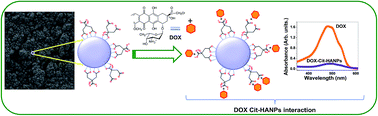
Surface modification of HAp nanoparticles plays a very important role in altering the drug sorption capacity and release characteristics. Our zeta potential measurements on Cit-HANPs show that the nanoparticles possess negative surface charge due to the presence of carboxylic moieties of citric acid. The drug (DOX) used here carries a positive charge due to the presence of protonated primary amine group (cationic DOX). Hence, due to electrostatic attraction between Cit-HANPs and DOX, there will be strong possibility of binding DOX to the surface of Cit-HANPs.

In order to determine the drug (DOX) loading efficiency of Cit-HANPs, the absorbance spectra of the supernatant obtained after centrifugation of DOX–Cit-HANPs and pure DOX (before loading) were measured (Fig. 6). The percentage drug loading efficiency of Cit-HANPs was found to be ∼85% with drug loading content of 7.8%. Similar to our study, alendronate functionalized mesoporous nanosized HAp showed a higher loading of a model drug, ibuprofen (49.1%) as compared to HAp nanoparticles (17%).25 The loading efficiency of calcium-deficient HAp nanoparticles for a model drug albumin was found to increase from 60% to 90% upon modification with methacrylic acid.38 Moreover, our Cit-HANPs show loading efficiency for DOX almost in the same range as reported for hollow mesoporous HAp nanoparticles synthesized by a core/shell strategy.10 The observed high loading of DOX to our Cit-HANPs can be ascribed to the electrostatic binding of positively charged drug to the negatively charged (due to the presence of citrate moieties) nanoparticles. In addition, the presence of –OH groups and porous nature of Cit-HANPs can also facilitate the adsorption of DOX through hydrogen bonding and physical entrapment, respectively. The electrostatic binding of DOX molecules to the surface of negatively charged nanoparticles has also been investigated in earlier studies involving different nanoparticles.30,39 Recently Cao et al. have shown that the drug loading efficiency of hollow hierarchical HAp/Au/polyelectrolyte hybrid microparticles for DOX is relatively higher (∼60%) as compared to that of pure HAp microparticles (39.6%). The higher efficiency of hollow hybrid HAp microparticles has been assigned to the inner hollow porous HAp core as well as the electrostatic interaction between polyelectrolyte and DOX.40 Similarly, the loading efficiency of pure HANPs (without citrate coating) prepared in the present study was found to be less (∼60% with drug loading content of 5.7%) as compared to that of Cit-HANPs. The drug loading ability of pure HANPs may be attributed to the physical adsorption of DOX onto the nanoparticles.


image file: c6ra10659e-f6.tif
Fig. 6 UV-visible absorbance spectra of pure DOX and supernatant obtained after separating DOX–Cit-HANPs.

The cumulative drug release profile of DOX loaded in Cit-HANPs under reservoir-sink conditions at different pH is shown in Fig. 7. It is evident from the curve that the release of drug molecules from Cit-HANPs follows a time dependent behaviour showing two-step release profile, an initial fast release and a relatively slow subsequent release. The initial burst release may be assigned to the removal of physically adsorbed DOX molecules in the mesopores or at the outer surface of the nanoparticles. The release kinetics at different pH is almost similar; however, the amount of DOX released at reservoir pH 4.0 and 5.0 was higher than that of pH 7.4. The total amount of drug release was found to be 60%, 26% and 12% at reservoir pH 4.0, 5.0 and 7.4, respectively, over a time period of 55 h. The higher release rate of DOX from Cit-HANPs at low pH has been attributed to the pH-triggered release of electrostatically bound drug molecules in an acidic environment. Further, the t1/2 (the time for 50% release of the drug) of DOX–Cit-HANPs was found to be 26.5 h at reservoir pH 4.0, whereas rapid release behaviour with t1/2 of about 45 min was observed for pure DOX at same pH. However, 50% release of DOX is not achieved at reservoir pH 5.0 and 7.4 under present experimental conditions. This pH-responsive drug release is advantageous for chemotherapy as the comparatively reduced pH in cancerous tissues will encourage the release of the drug at the target site. Similar type of pH-dependent drug release behavior was also observed in DOX loaded hollow mesoporous HAp nanoparticles, where the release amount of DOX was found to be higher at pH 4.5 as compared to pH 7.4.14 In another study, mesoporous HAp nanoparticles having lactobionic acid-conjugated bovine serum albumin molecules as end-caps, and 4-carboxyphenylboronic as intermediate linkers were found to show pH-responsive, time-dependent release of DOX. At physiological medium (pH 7.4), about 8.0% of DOX was released, however, around 34% and 53% of DOX were released out from the system when the pH value decreased to 6.5 and 5.0, respectively.37 The pH-responsive drug delivery was also reported for hollow magnetic HAp microspheres using hydrophilic antibiotic vancomycin as a model drug.18 The release rate of the drug increased evidently with the decrease of the pH of the medium, which was attributed to the faster dissolution of HAp in acidic medium. The in vitro release profile of vancomycin from HAp microspheres with hierarchical porous structure (MHAp) shows slow release of vancomycin at different pH, which has been ascribed to the hydrogen bonding between the drug molecules and MHAp as well as the mesoporous and hollow structure.16 In the present study, the pH triggered release of DOX from Cit-HANPs could be assigned to the weakening of the electrostatic interactions between the positively charged drug and negatively charged Cit-HANPs nanoparticles due to partial neutralization of citrate groups in acidic pH. Furthermore, the difference in the rate of dissolution of Cit-HANPs at different pH also contributes to the pH-dependent release behavior of the drug as in acidic pH, the degradation rate of HAp is much faster as compared to that of physiological medium (pH 7.4).14


image file: c6ra10659e-f7.tif
Fig. 7 Drug release profile of pure DOX and DOX–Cit-HANPs in cell mimicking environment at 37 °C.

3.3 Cell viability, cellular internalization and hemocompatibility studies

HAp has been well reported as a biocompatible material; however, it is crucial to identify the cytotoxicity of the newly synthesized materials prior to their in vivo use. The cytotoxicity of Cit-HANPs was investigated in WEHI-164 cancer cells by MTT assay. The results indicate that Cit-HANPs have negligible effect on cell viability and more than 80% cells were viable even after incubating with 200 μg mL−1 of Cit-HANPs for a period of 48 h (ESI, Fig. S3). This suggests that these citrate functionalized nanoparticles have negligible inherent toxicity and hence, suitable for use in further in vivo studies. As expected, HANPs also show negligible toxicity to WEHI-164 cells (ESI, Fig. S3). The cytotoxicity studies of pure DOX and DOX–Cit-HANPs on WEHI-164 cells were also performed using different concentration of DOX (0.1–2.0 μM). The cell viability was found to decrease significantly after incubation with both pure DOX and DOX-Cit-HANPs for a period of 24 h and 48 h, in a dose dependent manner. However, the DOX-Cit-HANPs were found to be slightly less toxic towards WEHI-164 cells as compared to pure DOX (Fig. 8(a) and (b)). The relatively low cytotoxicity of DOX-Cit-HANPs as compared to pure DOX could be assigned to the sustained release behavior of the drug from DOX-loaded nanoparticles (the loaded drug is expected to be released slowly over the experimental period).
image file: c6ra10659e-f8.tif
Fig. 8 Viability studies of WEHI-164 cells incubated with medium containing (a) DOX and DOX-Cit-HANPs for 24 h (b) DOX and DOX-Cit-HANPs for 48 h.

We have also investigated the cellular internalization studies of pure DOX and DOX–Cit-HANPs into WEHI-164 cells. Fig. 9 shows fluorescence microscopy images of WEHI-164 cells after incubation with DOX, DOX–Cit-HANPs and DAPI at culture conditions having 2.0 μM DOX. A significant uptake of DOX–Cit-HANPs was clearly seen from the red fluorescence image arising from DOX emissions, suggesting that the drug-loaded particles were internalized in the cells. The blue fluorescence image shows emission from nuclei stained with DAPI. The merged image of DOX and DAPI emission (as is seen from the magenta colour) clearly indicates that pure DOX is co-localized in the nucleus, whereas DOX–Cit-HANPs is primarily localized in the cytoplasm. This study demonstrates that the use of these nanoparticles as drug delivery vehicles could significantly enhance the accumulation of the drug (DOX) in the target cancer cells.


image file: c6ra10659e-f9.tif
Fig. 9 Fluorescence microscopy images of WEHI-164 cells after incubation with DOX, DOX–Cit-HANPs and DAPI at culture conditions having 2.0 μM DOX (red filter for DOX and blue filter for DAPI, images were taken at 100× magnification).

The hemocompatibility of Cit-HANPs and HANPs was determined by measuring percentage of hemolysis at different concentrations (0.05, 0.1 and 0.2 mg mL−1). The percent hemolysis increased as a function of increasing mass concentration of nanoparticles, however, it was found to be <5% even at highest studied concentration of Cit-HANPs (Fig. 10). This suggests that the nanoparticles are highly hemocompatible as according to the criterion in the ASTM E2524-08 standard the samples having <5% hemolysis is considered to have very high hemocompatability. The percentage of hemolysis for HANPs was also found to be <5% at different concentrations of nanoparticles with a slightly lower value as compared to Cit-HANPs. The slight decrease in the hemolytic properties of HANPs as compared to Cit-HANPs is possibly due to the faster sedimentation of HANPs in the suspension, which results in a lesser probability of interaction between nanoparticles and, the RBC membrane leading to low hemolysis. In this aspect, we have investigated the colloidal stability of Cit-HANPs and HANPs in phosphate buffer saline and culture media by monitoring UV-visible absorption spectra of nanoparticles suspensions (0.5 mg mL−1) as a function of time (λ = 272 nm). It has been observed that the stability of both Cit-HANPs and HANPs decreases with time. However, Cit-HANPs show slightly better stability as compared to HANPs in both the media. The typical plot of normalized UV absorbance spectra of Cit-HANPs and HANPs at λ272 in PBS buffer saline is shown in (ESI, Fig. S4). Our results are in accordance to the hemolytic studies reported on silver nanoparticles, which demonstrates the distinct increase in the hemolytic properties of silver nanoparticles as compared to the micron-sized particles.41


image file: c6ra10659e-f10.tif
Fig. 10 In vitro hemolysis analysis for diluted human blood exposed to Cit-HANPs and HANPs at different concentrations.

4. Conclusion

Citrate-functionalized hydroxyapatite nanoparticles were successfully synthesized via a simple co-precipitation method. XRD and SEM analysis confirmed the formation of single phase, highly crystalline nanoparticles of size ∼30 nm. The detailed structural characterization by FTIR, TGA and zeta-potential confirmed the successful functionalization by citrate moieties. The high density of free carboxyl groups on the surface of nanoparticles as well as mesoporous nature of the material makes them promising candidates for drug delivery studies. The nanoparticles exhibited high drug-loading capacity for DOX, which has been ascribed to the presence of electrostatic interaction between positively charged DOX (in protonated form) and negative citrate moieties on the nanoparticles as well as the mesoporous nature of the material. The drug release profile in cell mimic environment (under reservoir-sink condition) indicates sustained release of DOX. The bound drug molecules were found to release in significant amounts in the mild acidic environments, which is enviable for targeted cancer therapy as the relatively low pH in tumors will provoke the release of the drug. The high loading affinity and sustained release profile for DOX along with negligible inherent toxicity, hemocompatible nature as well as substantial cellular internalization of nanoparticles makes them suitable for drug delivery applications.

Acknowledgements

The authors thank Dr V. K. Jain, Head, Chemistry Division, BARC for the encouragement and support. The authors also thank Dr A. K. Sahu and Juby K. Ajish, BARC for FESEM and TGA analysis, respectively.

References

  1. C. Robinson, S. Connell, J. Kirkham, R. Shore and A. Smith, J. Mater. Chem., 2004, 14, 2242–2248 RSC.
  2. M. Sadat-Shojai, M. Atai, A. Nodehi and L. N. Khanlar, Dent. Mater., 2010, 26, 471–482 CrossRef PubMed.
  3. R. Z. LeGeros, Chem. Rev., 2008, 108, 4742–4753 CrossRef PubMed.
  4. K. Tomoda, H. Ariizumi, T. Nakaji and K. Makino, Colloids Surf., B, 2010, 76, 226–235 CrossRef PubMed.
  5. T. Matsumoto, M. Okazaki, M. Inoue, S. Yamaguchi, T. Kusunose, T. Toyonaga, Y. Hamada and J. Takahash, Biomaterials, 2004, 25, 3807–3812 CrossRef PubMed.
  6. M. A. Rauschmann, T. A. Wichelhaus, V. Stirnal, E. Dingeldein, L. Zichner, R. Schnettler and V. Alt, Biomaterials, 2005, 26, 2677–2684 CrossRef PubMed.
  7. A. Barroug and M. J. Glimcher, J. Orthop. Res., 2002, 20, 274–280 CrossRef PubMed.
  8. M. Kester, Y. Heakal, T. Fox, A. Sharma, G. P. Robertson, T. T. Morgan, E. I. Altinoglu, A. Tabakovic, M. R. Parette, S. M. Rouse, V. Ruiz-Velasco and J. H. Adair, Nano Lett., 2008, 8, 4116–4121 CrossRef PubMed.
  9. S. Dasgupta, S. S. Banerjee, A. Bandyopadhyay and S. Bose, Langmuir, 2010, 26, 4958–4964 CrossRef PubMed.
  10. Y. H. Yang, C. H. Liu, Y. H. Liang, F. H. Lin and K. C. W. Wu, J. Mater. Chem. B, 2013, 1, 2447–2450 RSC.
  11. M. Chen, W. Feng, S. Lin, C. He, Y. Gao and H. Wang, RSC Adv., 2014, 4, 53344–53351 RSC.
  12. H. Yang, L. Hao, N. Zhao, C. Du and Y. Wang, CrystEngComm, 2013, 15, 5760–5763 RSC.
  13. H. C. Wu, T. W. Wang, M. C. Bohn, F. H. Lin, M. Spector and N. Magnetic, Adv. Funct. Mater., 2010, 20, 67–77 CrossRef.
  14. K. Lin, L. Chen, P. Liu, Z. Zou, M. Zhang, Y. Shen, Y. Qiao, X. Liu and J. Chang, CrystEngComm, 2013, 15, 2999–3008 RSC.
  15. C. Huang, Y. B. Zhou, Z. M. Tang, X. Guo, Z. Y. Qian and S. B. Zhou, Dalton Trans., 2011, 40, 5026–5031 RSC.
  16. C. H. Hou, S. M. Hou, Y. S. Hsueh, J. Lin, H. C. Wu and F. H. Lin, Biomaterials, 2009, 30, 3956–3960 CrossRef PubMed.
  17. A. Inukai, N. Sakamoto, H. Aono, O. Sakurai, K. Shinozaki, H. Suzuki and N. Wakiya, J. Magn. Magn. Mater., 2011, 323, 965–969 CrossRef.
  18. N. Bock, A. Riminucci, C. Dionigi, A. Russo, A. Tampieri, E. Landi, V. A. Goranov, M. Marcacci and V. Dediu, Acta Biomater., 2010, 6, 786–796 CrossRef PubMed.
  19. J. Meng, Y. Zhang, X. J. Qi, H. Kong, C. Y. Wang, Z. Xu, S. S. Xie, N. Gu and H. Y. Xu, Nanoscale, 2010, 2, 2565–2569 RSC.
  20. K. Watanabe, Y. Nishio, R. Makiura, A. Nakahira and C. Kojimac, Int. J. Pharm., 2013, 446, 81–86 CrossRef CAS PubMed.
  21. L. Cheng, H. Gong, W. Zhu, J. Liu, X. Wang, G. Liu and Z. Liu, Biomaterials, 2014, 35, 9844–9852 CrossRef CAS PubMed.
  22. D. Li, X. Huang, Y. Wu, J. Li, W. Cheng, J. He, H. Tian and Y. Huang, Biomater. Sci., 2016, 4, 272–280 RSC.
  23. Y.-H. Liang, C.-H. Liu, S.-H. Liao, Y.-Y. Lin, H.-W. Tang, S.-Y. Liu, I.-R. Lai and K. C.-W. Wu, ACS Appl. Mater. Interfaces, 2012, 4, 6720–6727 CAS.
  24. Y. Shin, J. Liu, J. Ho Chang and G. J. Exarhos, Chem. Commun., 2002, 1718–1719 RSC.
  25. D. Li, Y. Zhu and Z. Liang, Mater. Res. Bull., 2013, 48, 2201–2204 CrossRef CAS.
  26. G. D. Venkatasubbu, S. Ramasamy, G. S. Avadhani, V. Ramakrishnan and J. Kumar, Powder Technol., 2013, 235, 437–442 CrossRef CAS.
  27. R. Gonzalez-McQuire, J.-Y. Chane-Ching, E. Vignaud, A. Lebugle and S. Mann, J. Mater. Chem., 2004, 14, 2277–2281 RSC.
  28. Y. Dai, M. Xu, J. Wei, H. Zhang and Y. Chen, Appl. Surf. Sci., 2012, 258, 2850–2855 CrossRef CAS.
  29. A. Nagano, H. Sato, Y. Tanioka, Y. Nakazawa, D. Knight and T. Asakura, Soft Matter, 2012, 8, 741–748 RSC.
  30. S. Nigam, K. C. Barick and D. Bahadur, J. Magn. Magn. Mater., 2011, 323, 237–243 CrossRef CAS.
  31. G. Verma, K. C. Barick, N. Manoj, A. K. Sahu and P. A. Hassan, Ceram. Int., 2013, 39, 8995–9002 CrossRef CAS.
  32. Y. Sahoo, A. Goodarzi, M. T. Swihart, T. Y. Ohulchanskyy, N. Kaur, E. P. Furlani and P. N. Prasad, J. Phys. Chem. B, 2005, 109, 3879–3885 CrossRef CAS PubMed.
  33. Q. Lan, C. Liu, F. Yang, S. Liu, J. Xu and D. Sun, J. Colloid Interface Sci., 2007, 310, 260–269 CrossRef CAS PubMed.
  34. S. P. M. C. Souza, E. G. Araújo, F. E. Morais, E. V. Santos, M. L. Silva, C. A. Martinez-Huitle and N. S. Fernandes, Braz. J. Therm. Anal., 2013, 2, 17–22 Search PubMed.
  35. S. J. Gregg and K. S. W. Sing, Adsorption, Surface Area and Porosity, Academic Press, London, 2nd edn, 1982 Search PubMed.
  36. J. C. Groen, L. A. Peffer and J. Perez-Rremirez, Microporous Mesoporous Mater., 2003, 60, 1–17 CrossRef CAS.
  37. D. Li, J. He, X. Huang, J. Li, H. Tian, X. Chen and Y. Huang, RSC Adv., 2015, 5, 30920–30928 RSC.
  38. S. P. Victor and C. P. Sharma, Colloids Surf., B, 2013, 108, 219–228 CrossRef CAS PubMed.
  39. P. Sharma, S. Rana, K. C. Barick, C. Kumar, H. G. Salunke and P. A. Hassan, New J. Chem., 2014, 38, 5500–5508 RSC.
  40. S. Xu, J. Shi, D. Feng, L. Yang and S. Cao, J. Mater. Chem. B, 2014, 2, 6500–6507 RSC.
  41. J. Choi, V. Reipa, V. M. Hitchins, P. L. Goering and R. A. Malinauskas, Toxicol. Sci., 2011, 123, 133–143 CrossRef CAS PubMed.

Footnote

Electronic supplementary information (ESI) available: TEM micrograph, zeta-potential, cell viability studies and colloidal stability (Fig. S1–S4). See DOI: 10.1039/c6ra10659e

This journal is © The Royal Society of Chemistry 2016
Click here to see how this site uses Cookies. View our privacy policy here.