
Nanomedicines for targeted delivery of etoposide to non-small cell lung cancer using transferrin functionalized nanoparticles

Deep Poojaab, Hitesh Kulhariacd, Lakshmi Tunkia, Srinivas Chindee, Madhusudana Kunchaa, Paramjit Grovere, Shyam S. Rachamallab and Ramakrishna Sistla*a
aMedicinal Chemistry & Pharmacology Division, CSIR-Indian Institute of Chemical Technology, Hyderabad-500007, India. E-mail: sistla@iict.res.in
bFaculty of Pharmacy, University College of Technology, Osmania University, Hyderabad, India
cIICT-RMIT Joint Research Centre, CSIR-Indian Institute of Chemical Technology, Hyderabad – 500007, India
dSchool of Applied Sciences, RMIT University, Melbourne–3000, Australia
eToxicology Unit, Biology Division, CSIR-Indian Institute of Chemical Technology, Uppal Road, Hyderabad – 500 607, India

Received 23rd February 2015 , Accepted 5th May 2015

First published on 7th May 2015


Abstract

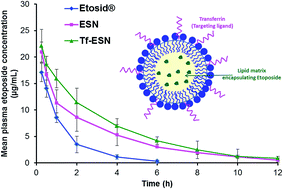
Lung cancer is the most common cause of cancer death. Clinical applications of anticancer drugs are limited due to non-specificity and systemic toxicity. Transferrin (Tf) receptors have been recognized to be up-regulated in several malignant carcinomas including non-small cell lung cancer. Herein, we investigate the anticancer activity of Tf conjugated and etoposide (ETPS) loaded solid lipid nanoparticles (Tf-ESN) against Tf-receptors expressing A549 human non-small cell lung cancer cells. Pharmacokinetic and tissue-distribution profiles of nanoparticles were studied in Balb/c mice. Targeted nanoparticles showed significantly higher anticancer activity of etoposide manifested by anti-proliferation assay, morphological changes and induced apoptosis in A549 cells. In biodistribution studies, Tf-ESN had higher plasma concentration, longer blood circulation and decrease in clearance of encapsulated ETPS than Etosid®, a marketed formulation of etoposide. In conclusion, the promising results of this study suggest that targeting of nanomedicines to Tf-receptors, those that are over expressed in non-small cell lung cancer could increase the therapeutic efficacy of lung cancer therapy.

1. Introduction

In 2012, the International Agency for Research on Cancer (IARC) of World Health Organization reported that lung cancer is the most commonly diagnosed and cause of death among all cancers. About 1.8 million (13% of total) new lung cancer cases were diagnosed and about 1.6 million (19.4% of total) deaths occurred due to lung cancer.1 Chemotherapy, along with surgery and radiotherapy, is an important part of cancer treatment. However, chemotherapy often fails to improve patient mortality and compliance due to poor physicochemical properties of anticancer drugs and severe side effects on healthy tissues. In addition, development of resistance in cancer cells towards the chemotherapeutic agent further decreases the efficacy of the treatment.2,3

Nanomedicines have shown potential in diagnosis, treatment and monitoring of cancer.4 Nanotechnology based targeted drug delivery systems can deliver anticancer drugs selectively to cancer cells. Apart from site-specific delivery, nanomedicines also enhance plasma solubility and bioavailability, increase stability and provide controlled drug release. All these factors contribute to decrease in total dose requirements which lead to decrease in side-effects and improve patient compliance.5,6

Etoposide [4′-demethyl-epipodophyllotoxin-9-(4,6-o-(R)-ethylidine-β-D-glycopyranoside)] (ETPS) is a semi-synthetic derivative of podophyllotoxin and has been approved by Food and Drug Administration for the treatment of small cell lung cancer and testicular carcinoma. ETPS has also shown significant cytotoxicity against Kaposi’s sarcoma associated with AIDS, Hodgkin’s and non-Hodgkins lymphoma, breast, gastric and ovarian cancers.7–9 ETPS is a potent topoisomerase II inhibitor, enzyme responsible for unwinding of DNA helix. It acts in the G2 and S phases of the cell cycle and prevents entry of the cell into the mitotic phase of the cell cycle leading to cell death.10 Poor aqueous solubility, chemical instability and non-specific toxicities to normal tissues are the major limitations of ETPS in its clinical applications.11,12 Currently, ETPS is being supplied as oral soft capsules and injection formulations.12 However, non-aqueous, organic solvents and solubilizers such as benzyl alcohol, ethanol, polysorbate 80 and PEG 300 are being used to solubilize ETPS. These solubilizers frequently cause hypotension, anaphylaxis and bronchospasm.8

In this investigation, we developed transferrin conjugated solid lipid nanoparticles for the improved delivery of ETPS to lung cancer. Solid lipid nanoparticles (SLNs) contain solid lipid as matrix which are highly biocompatible and biodegradable. SLNs also have the advantages of high drug payload, increased drug stability, large scale production and sterilization.5,13 Transferrin (Tf), human-holo, was selected as targeting ligand. Tf is a single polypeptide glycoprotein consisting of about 679 amino acids. Tf has an important role in iron transport in the human body. Cancer cells require more iron for their rapid growth and proliferation which results in up-regulation of Tf-receptors in several malignant tumors including lung, breast, brain, prostate, and colorectal cancers.14–18 Tf has been recognised and explored as a potential targeting ligand for the delivery of drugs to brain and breast cancers.17,19–23 However, its role against Tf-receptors over expressing lung cancer was not investigated. In this study, we demonstrate the anticancer activity of Tf-conjugated ETPS loaded SLNs (Tf-ESN) against Tf-receptors overexpressing A549 human lung cancer cells. In addition, we studied the pharmacokinetic and tissue distribution profiles of Tf-ESN in Balb/c mice in comparison to Etosid®, a marketed formulation of ETPS.

2. Experimental section

2.1. Materials

Glycerol monostearate (GMS) was purchased from Alfa Aesar (Johnson Matthey Chemicals, Hyderabad, India). Holo-transferrin, dimethyl sulfoxide (DMSO), RPMI-1640, trypsin–EDTA, antibiotic antimycotic solution, 3-(4,5-dimethylthiazol-2-yl)-2,5-diphenyl tetrazolium bromide (MTT), N-(3-dimethylaminopropyl)-N′-ethylcarbodiimide (EDC), N-hydroxysuccinimide (NHS) and stearic acid were purchased from Sigma Aldrich (St. Louis, MO, USA). Etoposide (ETPS) was a gift sample from TherDose Pharma Pvt. Ltd. (Hyderabad, India). A549 human non-small cell lung cancer cells were purchased from American Type Culture Collection (ATCC) (Manassas, VA, USA). Fetal bovine serum (FBS) was purchased from Gibco, USA. High performance liquid chromatography (HPLC) grade solvents were purchased from Merck specialties (Mumbai, India). Lecithin soy and dialysis tubing (molecular weight cut off 12[thin space (1/6-em)]000–14[thin space (1/6-em)]000) were obtained from of Himedia (Mumbai, India). Bradford reagent was purchased from Biomatik (Hyderabad, India). Tween 80 was purchased from sd Fine Chem. Ltd. (Mumbai, India).

2.2. Preparation of etoposide loaded solid nanoparticles

ETPS-loaded solid lipid nanoparticles (ESN) were prepared by a single emulsification and solvent-evaporation method. ETPS (10 mg), GMS (85 mg), soy lecithin (40 mg) and stearic acid (15 mg) were dissolved in 2 mL chloroform and poured into 10 mL of 1.5% w/v of Tween® 80 solution. The dispersion was homogenized at 11[thin space (1/6-em)]000 rpm for 5 min and sonicated for 20 min. The mixture was kept stirring for 3 h. The nanoparticle dispersion was centrifuged at 15[thin space (1/6-em)]000 rpm for 45 min. Nanoparticles were obtained as pellet and washed 3–4 times with MilliQ water and lyophilized using trehalose dihydrate as cryoprotectant.

2.3. ETPS encapsulation efficiency

Encapsulation efficiency was determined by an indirect method using an HPLC instrument (Waters, USA). The supernatant obtained after centrifugation of the nanoparticle dispersion was used for estimation of free drug content. Reverse-phase HPLC was performed using a C18 column (Waters Reliant, 5 μm, 4.6 × 250 mm). The mobile phase, a mixture of methanol and water (50[thin space (1/6-em)]:[thin space (1/6-em)]50, v/v), was pumped at a flow rate of 1.0 mL min−1, and UV detection was set at 224 nm. Drug encapsulation efficiency was determined as %encapsulation efficiency = {1 − (Ds/Di)} × 100, whereas Ds: amount of drug in supernatant; Di: initial amount of drug added.

2.4. Surface conjugation of transferrin to ESN

The conjugation reaction was performed by EDC/NHS chemistry. Fifty mg of lyophilized ESN was dispersed in 5 mL of phosphate buffer saline pH 7.4 (PBS) and 1 mL of 1 mM EDC/NHS was added and stirred for 2 h. Thereafter, Tf was added and incubated for 8 h. Conjugation efficiency was determined by Bradford protein assay using a microplate reader (Synergy 4, Biotek, USA) as described previously.24

2.5. Characterization of nanoparticles

The mean particle diameter, size distribution and zeta potential of various formulations i.e. BSN, ESN and Tf-ESN were determined by photon correlation spectroscopy using particles size analyzer Nano-ZS (Malvern instrument Ltd., Malvern, UK). Surface morphology of SLN was assessed by transmission electron microscopy. The formulation was placed on a copper grid and allowed to dry. Dried sample was stained with 1% uranyl acetate solution and excess reagent was removed by using filter paper. Nanoparticles were observed using a transmission electron microscope (JEOL, Japan).

The X-ray diffraction patterns of ETPS, GMS, blank solid lipid nanoparticles (BSN), and ESN were measured with Bruker AXS D8 X-ray diffraction (Germany). The instrument was operated over 2θ range from 8 to 65°. DSC analysis was carried out to determine the physical state of ETPS, before and after encapsulation in SLN by using DSC STAR ONE (Mettler, Switzerland). DSC thermograms of free ETPS, GMS, BSN and ESN were obtained by scanning the samples from 50 °C to 300 °C at a speed of 10 °C min−1, under a nitrogen environment. Fourier transform infrared analysis (FTIR) was performed by FTIR (Perkin Elmer, Spectrum one) over the wave number range 4000–450 cm−1.

2.6. In vitro drug release

In vitro drug release behaviour of ETPS formulations was determined by dialysis bag method. Experiments were performed in phosphate buffered saline, pH 7.4 (PBS) and sodium acetate buffer pH 5.0 (SAB) containing 0.5% w/v Tween 80. Briefly, ETPS, ESN and Tf-ESN, equivalent to 2 mg of ETPS drug, were placed into dialysis bag. The bag was kept in release medium and stirred at 100 rpm and the temperature was maintained at 37 ± 0.5 °C. One mL of aliquots was withdrawn at predetermined time intervals and replenished with the same volume of fresh buffer. Estimation of ETPS content in samples was performed by HPLC analysis.

2.7. Anti-proliferation assay

In vitro cytotoxicity of native ETPS, ESN and Tf-ESN against A549 cells was evaluated by MTT assay. A549 human non-small cell lung cancer cells were cultured in RPMI-1640 medium supplemented with 10% FBS, 100 μg mL−1 streptomycin, 100 U mL−1 penicillin, and at 37 °C in a 5% CO2 incubator. Cells (5 × 10³ cells per well) were seeded in 96-well plate and incubated with different concentration of test formulations. After 48 h, the medium was replaced with serum-free medium containing 0.5 mg mL−1 of MTT reagent and cells were incubated for 4 h. Then the medium was removed and formazan crystals generated by live cells were dissolved by adding 150 μL of DMSO in each well. The absorbance was measured using a microplate reader at a wavelength of 570 nm. The relative cell viability (%) was determined by comparing the absorbance with control wells. Data are presented as average ± SD (n = 4).

2.8. Cellular uptake studies

In order to study the uptake of nanoparticles in A549 cells, Rhodamine-b loaded solid lipid nanoparticles (RSN) were prepared and then conjugated with Tf to give targeted, florescent nanoparticles (Tf-RSN) as described earlier. A549 cells (5 × 10⁵) were seeded in a 12-wells plate and allowed to adhere for 24 h. Thereafter, cells were incubated with RSN and Tf-RSN for different time intervals. Cells were washed three times with cold PBS, fixed with 4% paraformaldehyde and incubated with nucleus staining dye Hoechst 33342 (5 μg mL−1) for 30 min at 37 °C. Cells were washed twice with PBS and fluorescent images were taken using a fluorescence microscope.

2.9. Cell morphology studies using acridine orange and ethidium bromide

A549 cells were cultured in a 24-wells plate at a density of 5 × 10⁵ cells per well. Cells were treated with ETPS, ESN and Tf-ESN (equivalent to 0.6 μg mL−1 of ETPS) for 24 h. Cells were rinsed with PBS and fixed with 4% paraformaldehyde for 10 min. Cells were stained with AO and EB solution containing 10 μg mL−1 of each. Cells were incubated for 15 min, washed with PBS and then observed using a fluorescence microscope.

2.10. Apoptosis studies using Hoechst 33342

The in vitro apoptosis induced by different ETPS formulation was assessed by Hoechst 33342 staining.11,36,37 A549 cells were treated with ETPS, ESN and Tf-ESN (equivalent to 0.6 μg mL−1 of ETPS) for 24 h. Cells were washed with PBS and stained with Hoechst 33342 (5 μg mL−1) for 30 min at 37 °C. Thereafter, cells were again washed three times with PBS to remove excess dye. The images were observed using a fluorescence microscope.

2.11. Pharmacokinetic and bio-distribution study

Pharmacokinetic and biodistribution studies were carried out in Balb/c mice, weighing 20–25 g, in accordance with rules and regulation of CPCSEA, New Delhi, India. One hundred and eight animals were randomly divided into three groups. Each group received a 10 mg kg−1 body weight dose of pure etoposide via a tail vein of Etosid®, ESN and Tf-ESN, respectively. A volume of 300 μL of blood and tissues of interest, viz. spleen, lung, liver, kidney, brain and heart were collected, at defined time points (0.25, 0.5, 1, 2, 4, 6, 8, 10, and 12 h). Plasma was collected by centrifuging blood at 5000g for 10 min. Tissues were rinsed with PBS. Plasma and tissues were stored at −80 °C till further analysis.
Plasma and tissue samples processing and analysis. For estimation of etoposide by HPLC, the tissues were thawed, weighed and homogenised in PBS (1[thin space (1/6-em)]:[thin space (1/6-em)]5 dilutions) using a tissue homogenizer (Heidolph, silent crusher S). Plasma (100 μL) or tissue homogenate (200 μL) was mixed with 10 μL of podophyllotoxin (internal standard) and vortexed for 30 s. Thereafter, 1 mL of ethyl acetate was added, vortexed for 60 s, and centrifuged at 8000 rpm for 10 min. The organic phase was collected and evaporated to dryness. The residue was reconstituted with mobile phase, 100 μL for plasma and 200 μL for tissue samples. A volume of 25 μL of reconstituted sample was injected into a HPLC system. Various pharmacokinetic parameters like maximum plasma concentration (Cmax), plasma half life (t1/2), area under the curve (AUC) and mean residence time (MRT) were determined by drug concentration versus time curve.

2.12. Statistical analysis

All the experiments were performed in triplicate (n = 3) and data are shown as mean ± SD. Student t-test was used to determine the statistical difference, p value < 0.05 considered as significant.

3. Results and discussion

3.1. Preparation of etoposide loaded solid lipid nanoparticles (ESN)

SLNs were prepared by single emulsification and solvent-evaporation method. GMS was selected as solid lipid matrix while soy lecithin and Tween® 80 were chosen as co-surfactant and surfactant, respectively. Stearic acid was incorporated to create free carboxylic acid groups on the surface of the nanoparticles. For the preparation of ESN, ETPS was dissolved in organic phase.

The average particle diameter was 54.6 ± 2.5 nm and 66.9 ± 4.1 nm for blank solid lipid nanoparticles (BSN) and ESN, respectively. The low polydispersity indexes (PDI) of nanoparticles indicated the uniformity of size of nanoparticles (Table 1). The zeta potential of BSN and ESN was −25.3 ± 2.4 mV and −26.1 ± 1.7 mV, respectively, suggesting high physical stability of nanoparticles.

Table 1 Physicochemical characterization of nanoparticles (mean ± SD; n = 6)a
  PD (nm) PDI ZP (mV) %EE %DL %CE
a BSN: blank solid lipid nanoparticles; ESN: etoposide loaded solid lipid nanoparticles; Tf-ESN: transferrin conjugated ESN; PD: particle diameter; PDI: polydispersity index; ZP: zeta potential; EE: drug encapsulation efficiency; DL: drug loading; CE: transferrin conjugation efficiency.
BSN 54.6 ± 2.5 0.114 ± 0.13 −25.3 ± 2.4
ESN 66.9 ± 4.1 0.194 ± 0.09 −26.1 ± 1.7 92.1 ± 1.5 6.54 ± 1.1
Tf-ESN 96.7 ± 3.4 0.216 ± 0.18 −17.5 ± 2.9 85.9 ± 2.3 6.08 ± 1.3 71.8 ± 4.6


3.2. Bioconjugation of Tf to ESN

Tf was conjugated to the surface ESN by two steps EDC/NHS reaction. In the first step, carboxylic acid groups present on the surface of ESN were activated by addition of EDC and stabilized by NHS. In the second step, activated carboxylic groups were allowed to interact with free amine groups present on Tf. The conjugation efficiency was determined by Bradford assay and found to be 71.8 ± 4.6%. Tf-conjugated ESN (Tf-ESN) exhibited particles size of 96.7 ± 3.4 nm, PDI 0.216 and zeta potential −17.5 ± 2.9 mV (Fig. 1a). A significant decrease in negative zeta potential of Tf-ESN also confirmed the conjugation of Tf to ESN (Table 1).
image file: c5ra03316k-f1.tif
Fig. 1 (a) Particle size and distribution of transferrin conjugated and etoposide loaded solid lipid nanoparticles (Tf-ESN) measured by DLS. (b) TEM micrograph of Tf-ESN.

3.3. Physicochemical characterization

TEM is an useful technique to determine the shape and size of nanoparticles. TEM photomicrograph of Tf-ESN is shown in Fig. 1b which revealed that nanoparticles were spherical in shape and in agreement with DLS results (Fig. 1a).

FTIR analysis was performed to confirm the surface conjugation of Tf to SLN (Fig. 2). FTIR spectra of ESN showed characteristic C[double bond, length as m-dash]O stretching of carboxylic acid group of stearic acid at 1731 cm−1 which was not observed in Tf conjugated nanoparticles (Tf-ESN). In addition, a new peak at 1653 cm−1 was observed corresponding to an amide bond formed between carboxylic acid groups of the nanoparticles and amine groups of Tf.


image file: c5ra03316k-f2.tif
Fig. 2 FTIR spectra of etoposide loaded solid lipid nanoparticles (ESN), transferrin (Tf) and Tf-conjugated ESN (Tf-ESN).

XRD diffractogram of ETPS, GMS, BSN and ESN are shown in Fig. 3a. Two sharp peaks at 18 and 23° were observed in the XRD diffraction patterns of GMS, suggesting a crystalline nature of the lipid. These peaks were also observed, but less intense, in BSN and ESN diffractograms. The XRD pattern of ETPS showed characteristic sharp peaks from 2θ angle 10 to 27°, confirming the high crystalline state of pure ETPS. The aforementioned sharp peaks were absent in the diffraction patterns of ESN, which indicated that ETPS was present either in its amorphous form or was molecularly dispersed in the solid lipid matrix of nanoparticles.


image file: c5ra03316k-f3.tif
Fig. 3 (a) X-ray diffraction patterns and (b) Differential scanning calorimetric analysis of GMS, BSN, pure etoposide and ESN.

The DSC scans of ETPS, GMS, BSN, and ESN were obtained to determine the physical state of ETPS and bulk lipid as pure compound and inside the nanoparticles (Fig. 3b). The spectra of pure ETPS exhibited a sharp peak at 287 °C demonstrating the high crystalline nature of ETPS. Bulk GMS showed a characteristic melting endothermic peak at 76.5 °C. However, in the case of BSN, the GMS peak was shifted to 63 °C with a broad shouldering. It has been observed that lipids behave differently in bulk form and SLN formulations.25,26 A shift in melting point of GMS in SLN formulations could also be explained by the small particle size of SLNs which results in high surface energy and presence of surfactant.27,28 In addition, lattice defects are created during the preparation of SLN which lead to decrease in crystallinity of lipid in use. These less ordered crystalline or amorphous solids require less energy to melt than original crystalline substances and show a broad and less intense peak.29 BSN showed a sharp peak at 97 °C which is due to the presence of trehalose dihydrate as cryoprotectant.30 As trehalose dihydrate was incorporated after formulation of SLN, it was present in its crystalline state in the final formulation. The DSC thermogram of ESN showed a broad peak of GMS and a sharp peak of trehalose dehydrate similar to BSN. Moreover, the ETPS peak was not observed in the spectra of ESN which indicated a transformation of crystalline ETPS to its amorphous form.

3.4. In vitro drug release of ETPS from different formulations

In vitro drug release studies were performed for pure ETPS, ESN and Tf-ESN in two media, PBS and SAB, to determine the pattern and mechanism of release of drug from nanoparticles. From pure ETPS suspension, the drug was released completely within 10 h in both media. In the case of ESN and Tf-ESN, a biphasic release pattern was observed in both the media. After an initial burst release (∼25% of entrapped drug within first 3 h), both nanoparticle-mediated formulations showed sustained release of drug up to 72 h (Tables 2 and 3).
Table 2 In vitro drug release profiles ETPS, ESN and Tf-ESN in phosphate buffer saline pH 7.4 (PBS)
Time (h) ETPS ESN Tf-ESN
6 71.9 ± 1.4 35.1 ± 1.6 37.9 ± 2.2
10 98.7 ± 0.9 44.2 ± 2.5 49.6 ± 1.7
24   56.7 ± 1.7 61.7 ± 1.4
48   64.8 ± 2.2 72.4 ± 2.2
72   76.2 ± 2.8 81.8 ± 2.5


Table 3 In vitro drug release profiles ETPS, ESN and Tf-ESN in sodium phosphate buffer pH 5.0 (SAB)a
Time (h) ETPS ESN Tf-ESN
a Statistical analysis: * and # p value < 0.05, *indicates the comparison of drug release of ESN in PBS and SAB while #indicates the comparison of drug release of Tf-ESN in PBS and SAB.
6 79.4 ± 3.0 38.6 ± 2.7 41.9 ± 2.6
10 99.3 ± 0.6 47.8 ± 1.5 53.3 ± 1.1
24 64.9 ± 3.0* 68.9 ± 2.2#
48 73.2 ± 2.5* 76.9 ± 2.4#
72 84.3 ± 2.6* 88.4 ± 1.7#


This kind of drug release behaviour is quite common because the drug present in the peripheral shell or on the nanoparticle surface is released at a faster rate than the drug present inside the lipid core of nanoparticles.31,32 However, there was no significant difference (p > 0.05) in the release of drug from ESN and Tf-ESN which suggested that conjugation of Tf on the surface of nanoparticles does not interfere in the release of drug from nanoparticles. A significant difference (p < 0.05) at 24, 48 and 72 h, was observed between release of ETPS from ESN and Tf-ESN in SAB medium (Table 3). A faster release of drug in media with acidic pH may help in increased drug release in cancer cells than those with lower pH than normal healthy cells.

3.5. Induction of cytotoxicity

The in vitro anticancer efficacy of three ETPS formulations against A549 human lung cancer cells was investigated by anti-proliferation assay. Fig. 4 shows the cell viability results for cells treated with ETPS, ESN and Tf-ESN at concentration range 0.01–100 μg mL−1. The cell viability was highest for the cells treated with ETPS, followed by ESN and Tf-ESN. The observed IC50 values for ETPS, ESN and Tf-SLN were 2.01, 0.762 and 0.303 μg mL−1, respectively. A statistical significant difference was observed in the concentration range 0.1–10 μg mL−1. Insignificant difference (p > 0.05) was observed at very low and high concentrations, which may be because at low concentration the amount of drug delivered by nanoparticles was not superior compared to that in pure ETPS solution. Similarly, at very high concentration, drug delivered by pure ETPS was sufficient to produce similar cell-killing effect to the amount of drug provided by formulation. The results suggested that plain ETPS has low anticancer activity against A549 cells. However, its activity increased up to 6.6 times after encapsulation into SLNs. Blank nanoparticles showed more than 94% cell viability at all tested concentrations, which confirmed that SLNs are highly biocompatible as drug carriers and the toxicity of ESN was due to ETPS delivered by the nanoparticles. Further, the lower viability of cells treated with Tf-ESN than cells treated with ESN indicated that the conjugation of Tf on the surface of SLNs enhanced the cytotoxicity of ETPS nanoparticles.
image file: c5ra03316k-f4.tif
Fig. 4 Anti-proliferation assay: percentage of cell viability of A549 human lung cancer cells after 48 h of treatment with pure etoposide (ETPS), ETPS loaded solid lipid nanoparticles (ESN) and transferrin conjugated ESN (Tf-ESN). Statistical analysis: * and # p value < 0.005, *indicates comparison of cell viability of ESN with ETPS, while #indicates the comparison of cell viability of Tf-ESN with ETPS.

3.6. Cellular uptake study

The uptake of fluorescent Rho-b loaded SLN (RSN) and Tf conjugated RSN (Tf-RSN) by A549 cells was visualized by fluorescence microscopy. It was observed that cells incubated with targeted Tf-SLN exhibited higher florescence intensity than non-targeted RSN (Fig. 5). The high fluorescence intensity of Rh-b with Tf-RSN could be attributed to enhanced internalization of Tf-RSN through Tf-receptors. Tf-receptors are over expressed in cancer cells including non-small cell lung cancer. Previous reports have demonstrated that Tf-conjugated nanoparticles had higher intracellular accumulation of encapsulated cargos, either drugs or fluorescent molecules, in Tf-receptors over expressing cancer cells than unconjugated nanoparticles.17,19,33 Tsuji et al., demonstrated that Tf-conjugated nanoparticles enter in cancer cells through clathrin-mediated endocytosis.34 Therefore, the enhanced uptake of nanoparticles could be attributed to active targeting of Tf-RSN through Tf-receptors.
image file: c5ra03316k-f5.tif
Fig. 5 Cell uptake studies: fluorescent microscopic images of A549 human non-small cell lung cancer cells after incubation with Rhodamine-b loaded solid lipid nanoparticles (RSN) and transferrin conjugated RSN (Tf-RSN). Both RSN and Tf-RSN incubated cells showed time-dependent uptake of nanoparticles (Fig. 5a). However, Tf-RSN showed significantly higher florescence intensity, hence higher uptake than RSN. Fig. 5b shows the images after 4 h at higher magnification. To visualize the nucleus, cells were stained with Hoechst 33342.

3.7. Cell morphology studies

To study the morphological changes in A549 cells after incubation with ETPS formulations, cells were labelled with AO and EB dyes. The permeability differences between the two dyes provide a scope to differentiate live cells from dead cells. AO can permeate across the cell membrane of live cells while EB infiltrate only through damaged cell membrane of dead cells. Therefore, live cells are stained by AO and appear with green florescence while dead cells exhibit orange to red fluorescence.

Fig. 6a shows the fluorescent microscopy images of untreated A549 cells (control) and the cells treated with ETPS, ESN and Tf-ESN. As expected, high green fluorescence was observed in control cells showing high cell viability. However, the number of live cells was decreased with three ETPS formulations, with a lowest number of viable cells in Tf-SLN group.


image file: c5ra03316k-f6.tif
Fig. 6 (a) Demonstrates the morphology of A549 cells after 24 h of incubation with ETPS, ESN, and Tf-ESN containing 0.6 μg mL−1 ETPS. To differentiate viable cells from apoptotic or dead cells, cells were stained with acridine orange and ethidium bromide. (b) Shows the induction of apoptosis in A549 human lung cancer cells after 24 h of treatment with pure etoposide (ETPS), ETPS loaded solid lipid nanoparticles (ESN) and transferrin conjugated ESN (Tf-ESN).

3.8. Apoptosis studies

Etoposide-induced cytotoxicity to the A549 cells was studied using nucleus staining dye Hoechst 33342. A549 cells were treated with ETPS, ESN and Tf-ESN for 24 h and then stained with Hoechst. Cells were observed for apoptotic characteristics such as cell shrinkage, nuclear fragmentation and apoptotic body formation. Untreated or control cells exhibited spherical and intact nuclei (Fig. 6b). ETPS-induced apoptosis was observed.

Tf-ESN-treated cells showed more apoptotic nuclei than ETPS and ESN-treated cells. The results were consistent with anti-proliferation assay and suggested that modification of nanoparticles with Tf facilitated cellular uptake and accordingly enhanced apoptosis.

3.9. In vivo pharmacokinetics and tissue distribution

To study the in vivo behaviour of prepared nano-formulations, pharmacokinetic and tissue distribution of Etosid®, ESN and Tf-ESN were studied after intravenous administration in mice at a dose of 10 mg kg−1 body weight. The profiles of plasma ETPS concentration versus time for three formulations are shown in Fig. 7 and calculated pharmacokinetic parameters are presented in Table 4. Following intravenous administration, the maximum plasma ETPS concentration was 22.16, 59.38 and 73.32 μg mL−1 for Etosid®, ESN and Tf-ESN, respectively, after 15 min of administration. However, ETPS concentration rapidly decreased in Etosid® treated mice as compared to ESN and Tf-ESN-treated mice. At all the time points, the ETPS concentration was higher for nanoparticles formulations than Etosid®. This can be explained by the differences in nature of dosage forms. Etosid® is a solution formulation and rapidly distributes in other body tissues compared to ESN and Tf-ESN. Additionally, ESN and Tf-ESN are nanoparticles formulations where drug is encapsulated in a lipid matrix that provides a sustained release of drug. There was a significant difference (p < 0.05) between the plasma AUC0–∞ values of ETPS in Etosid® and ETPS delivered by both nanoparticle formulations as well as between the two nanoparticle formulations. The difference between AUC0–t of ESN and Tf-ESN may be due to the presence of Tf in Tf-ESN. This was quite interesting because no significant difference was observed in the release of drug from the two formulations during in vitro drug release studies. This could be due to interaction of Tf with other blood components like serum proteins during the pharmacokinetic studies that are absent in PBS used in in vitro drug release studies. The results also indicated that Tf-conjugated nanoparticles had longer systemic circulation and slower plasma elimination rate than Etosid®. The MRT for Etosid®, ESN and Tf-ESN were 1.69, 6.53 and 3.74 h, respectively. The clearance of ETPS was significantly decreased with nanoparticle formulations when compared with Etosid®.
image file: c5ra03316k-f7.tif
Fig. 7 Mean plasma etoposide concentration–time profile of Etosid®, ESN and Tf-ESN after intravenous administration at a dose of 10 mg kg−1 body weight in Balb/c mice.
Table 4 Pharmacokinetic parameters of ETPS after administering as Etosid®, ETPS loaded solid lipid nanoparticles (ESN) and transferrin conjugated ESN (Tf-ESN) in Balb/c mice intravenously (mean ± SD, n = 4)a
Pharmacokinetic parameter Etosid® ESN Tf-ESN
a AUC: area under the curve; AUMC: area under moment curve; t1/2: plasma half life; Cl: total clearance; MRT: mean residence time. Statistical analysis: results of final formulation Tf-ESN were compared with Etosid®. *indicates p < 0.05 and **p < 0.005.
AUC0–t (μg mL−1 h−1) 22.16 ± 3.1 59.38 ± 7.2 73.32 ± 5.3*
AUMC0–∞ 37.57 ± 5.2 216.02 ± 19.1 274.91 ± 14.8**
t1/2 (h) 1.03 ± 0.09 2.51 ± 0.23 2.56 ± 0.19**
Cl (mL h−1) 452.4 ± 22.7 168.38 ± 11.2 136.9 ± 13.8*
MRT (h) 1.69 ± 0.1 3.53 ± 0.28 3.74 ± 0.34*


The tissue distribution of ETPS from Etosid®, ESN and Tf-ESN is shown in Table 5. The results demonstrated that ETPS in Etosid® was distributed more to the liver and least to the brain. The distribution order for ETPS encapsulated in ESN was lung > spleen > kidney > liver > heart and brain. A similar distribution pattern was observed for Tf-ESN. However, ETPS delivery by Tf-ESN was more in the lung and brain and less in kidney, liver and spleen than ESN. There was no statistical difference (p > 0.05) between ESN and Tf-ESN in delivery of ETPS to the heart. However, both ESN and Tf-ESN showed a significant decrease in the delivery of drugs to the heart as compared to Etosid®. This could be advantageous to decrease the cardiotoxicity of ETPS.35 Both non-targeted ESN and targeted Tf-ESN nanoparticles showed more accumulation of ETPS in the lungs which could help in the selective delivery of drugs for the treatment of lung cancer.

Table 5 Area under the curve (AUC), mean residence time (MRT) and half-life (t1/2) of etoposide (ETPS) in various tissues after intravenous administration of Etosid®, ETPS loaded solid lipid nanoparticles (ESN) and transferrin conjugated ESN (Tf-ESN) in Balb/c mice (n = 4)
Tissue Etosid® ESN Tf-ESN
AUC MRT t1/2 AUC MRT t1/2 AUC MRT t1/2
Lung 32.92 4.58 3.12 66.21 8.84 6.58 76.15 9.26 6.39
Liver 46.19 7.26 5.2 26.93 4.64 3.16 20.18 4.33 2.99
Spleen 33.07 4.4 3.04 31.4 4.8 3.2 23.14 4.2 2.68
Kidney 29.13 3.65 2.22 29.6 4.4 2.95 21.46 4.23 2.7
Heart 34.4 7.9 5.63 18.14 4.08 2.86 14.65 3.65 2.36
Brain 4.42 1.39 0.9 7.89 1.74 1.09 10.78 5.64 3.96


4. Conclusions

In summary, Tf-conjugated solid lipid nanoparticles were successfully prepared and characterized for targeting of ETPS to the A549 human non-small cell lung cancer cells. Tf-mediated internalization of Tf-ESN enhanced the anticancer activity and apoptosis of ETPS against tumor cells. Encapsulation of drug in the lipid matrix and conjugation of Tf on the surface of nanoparticles resulted in sustained drug release, improved plasma concentration and accumulation of ETPS in targeted lung tissues. Collectively, the prepared drug delivery system has the potential to target ETPS and, hopefully, other anticancer drugs effectively against lung carcinoma.

Acknowledgements

The authors thank the Director, CSIR-Indian Institute of Chemical Technology, Hyderabad, for providing the necessary facilities and moral support. The authors are highly grateful to M/s Therdose Pharma for providing ETPS. H.K. is thankful to the Director, IICT-RMIT Research centre for providing a Junior Research Fellowship. D.P. thanks the Council of Scientific and Industrial Research (CSIR), New Delhi, for awarding a Senior Research fellowship. This work was financially supported by CSIR grant under the project Advanced Drug Delivery Systems (ADD-CSC 0302).

References

  1. International Agency for Research on Cancer, World Health Organization, 2013, 223, 1.
  2. S. Kunjachan, B. Rychlik, G. Storm, F. Kiessling and T. Lammers, Adv. Drug Delivery Rev., 2013, 65, 1852 CrossRef CAS PubMed.
  3. N. R. Patel, B. S. Pattni, A. H. Abouzeid and V. P. Torchilin, Adv. Drug Delivery Rev., 2013, 65, 1748 CrossRef CAS PubMed.
  4. M. E. Davis, Nat. Rev. Drug Discovery, 2008, 7, 771 CrossRef CAS PubMed.
  5. H. Harde, M. Das and S. Jain, Expert Opin. Drug Delivery, 2011, 8, 1407 CrossRef CAS PubMed.
  6. N. Sanvicens and M. P. Marco, Trends Biotechnol., 2008, 26, 425 CrossRef CAS PubMed.
  7. K. Hande, Eur. J. Cancer, 1998, 34, 1514 CrossRef CAS.
  8. F. Zhang, G. Y. Koh, J. Hollingsworth, P. S. Russo, R. W. Stout and Z. Liu, Int. J. Pharm., 2012, 434, 453 CrossRef CAS PubMed.
  9. I. A. Najar and R. K. Johri, J. Biosci., 2014, 39, 139 CrossRef CAS.
  10. C. Nam, K. Doi and H. Nakayama, Histol. Histopathol., 2010, 25, 485 CAS.
  11. G. Yordanov, R. Skrobanska and A. Evangelatov, Colloids Surf., B, 2013, 101, 215 CrossRef CAS PubMed.
  12. N. Akhtar, S. Talegaonkar, R. K. Khar and M. Jaggi, Saudi Pharm. J., 2013, 21, 103 CrossRef PubMed.
  13. W. Mehnert and K. Mader, Adv. Drug Delivery Rev., 2001, 47(2), 165 CrossRef CAS.
  14. A. Widera, F. Norouziyan and W. C. Shen, Adv. Drug Delivery Rev., 2003, 55, 1439 CrossRef CAS PubMed.
  15. J. F. Whitney, J. M. Clark, T. W. Griffin, S. Gautam and K. O. Leslie, Cancer, 1995, 76, 20 CrossRef CAS.
  16. J. M. Vidal, M. Koulibaly, J. L. Jost, J. J. Duron, J. P. Chigot, P. Vayre, A. Aurengo, J. C. Legrand, G. Rosselin and C. Gespach, Int. J. Oncol., 1998, 13, 871 Search PubMed.
  17. Y. Zheng, B. Yu, W. Weecharangsan, L. Piao, M. Darby, Y. Mao, R. Koynova, X. Yang, H. Li and S. Xu, Int. J. Pharm., 2010, 390, 234 CrossRef CAS PubMed.
  18. S. Kukulj, M. Jaganjac, M. Boranic, S. Krizanac, Z. Santic and M. Poljak-Blazi, Med. Oncol., 2010, 27, 268 CrossRef CAS PubMed.
  19. C. W. Gan and S. S. Feng, Biomaterials, 2010, 31, 7748 CrossRef CAS PubMed.
  20. Y. Cui, Q. Xu, P. K. H. Chow, D. Wang and C. H. Wang, Biomaterials, 2013, 34, 8511 CrossRef CAS PubMed.
  21. F. Yan, Y. Wang, S. He, S. Ku, W. Gu and L. Ye, J. Mater. Sci.: Mater. Med., 2013, 24, 2371 CrossRef CAS PubMed.
  22. M. Porru, S. Zappavigna, G. Salzano, A. Luce, A. Stoppacciaro, M. L. Balestrieri, S. Artuso, S. Lusa, G. De Rosa, C. Leonetti and M. Caraglia, Oncotarget, 2014, 5, 10446 Search PubMed.
  23. S. K. Sahoo and V. Labhasetwar, Mol. Pharm., 2005, 2, 373 CrossRef CAS PubMed.
  24. H. Kulhari, D. P. Kulhari, M. K. Singh and R. Sistla, Colloids Surf., A, 2014, 443, 459 CrossRef CAS PubMed.
  25. A. Kovacevic, S. Savic, G. Vuleta, R. Muller and C. Keck, Int. J. Pharm., 2011, 406, 163 CrossRef CAS PubMed.
  26. S. Das, W. K. Ng and R. B. Tan, Eur. J. Pharm. Sci., 2012, 47, 139 CrossRef CAS PubMed.
  27. K. Vivek, H. Reddy and R. S. Murthy, AAPS PharmSciTech, 2007, 8(4), 16 CrossRef PubMed.
  28. V. Venkateswarlu and K. Manjunath, J. Controlled Release, 2004, 95, 627 CrossRef CAS PubMed.
  29. A. P. Nayak, W. Tiyaboonchai, S. Patankar, B. Madhusudhan and E. B. Souto, Colloids Surf., B, 2010, 81, 263 CrossRef CAS PubMed.
  30. L. S. Taylor and P. York, J. Pharm. Sci., 1998, 87, 347 CrossRef CAS PubMed.
  31. J. Sun, C. Bi, H. M. Chan, S. Sun, Q. Zhang and Y. Zheng, Colloids Surf., B, 2013, 111, 367 CrossRef PubMed.
  32. S. Jose, S. S. Anju, T. A. Cinu, N. A. Aleykutty, S. Thomas and E. B. Souto, Int. J. Pharm., 2014, 474, 6 CrossRef CAS PubMed.
  33. J. L. Li, L. Wang, X. Y. Liu, Z. P. Zhang, H. C. Guo, W. M. Liu and S. H. Tang, Cancer Lett., 2009, 274, 319 CrossRef CAS PubMed.
  34. T. Tsuji, H. Yoshitomi and J. Usukura, Microscopy, 2013, 62, 341 CrossRef CAS PubMed.
  35. J. D. Floyd, D. T. Nguyen, R. L. Lobins, Q. Bashir, D. C. Doll and M. C. Perry, J. Clin. Oncol., 2005, 23, 7685 CrossRef CAS PubMed.
  36. R. Vivek, V. N. Babu, R. Thangam, K. S. Subramanian and S. Kannan, Colloids Surf., B, 2013, 111, 117 CrossRef CAS PubMed.
  37. Z. Li, L. Qiu, Q. Chen, T. Hao, M. Quio, H. Zhao, J. Zhang, H. Hu, X. Zhao, D. Chen and L. Mei, Acta Biomater., 2015, 11, 137 CrossRef CAS PubMed.

This journal is © The Royal Society of Chemistry 2015
Click here to see how this site uses Cookies. View our privacy policy here.