2,5-Diaryl-1,3,4-oxadiazoles as selective COX-2 inhibitors and anti-inflammatory agents

Jagdeep Grovera, Nirav Bhatta, Vivek Kumarb, Neeraj K. Patela, Bhagirath J. Gondaliyaa, M. Elizabeth Sobhiab, Kamlesh K. Bhutania and Sanjay M. Jachak*a
aDepartment of Natural Products, National Institute of Pharmaceutical Education and Research, Sector-67, S.A.S. Nagar, Mohali, 160062, Punjab, India. E-mail: sanjayjachak@niper.ac.in; sjachak11@gmail.com; Fax: +91 172 2214692; Tel: +91 172 2214683
bDepartment of Pharmacoinformatics, National Institute of Pharmaceutical Education and Research, Sector-67, S.A.S. Nagar-160062, Punjab, India

Received 24th January 2015 , Accepted 5th May 2015

First published on 5th May 2015


Abstract

A new series of compounds comprising of 2,5-diaryl-1,3,4-oxadiazoles was synthesized and evaluated as potential COX-2 inhibitors. Compounds 6b, 6e, 6f, 7e and 7f were found to be the most potent and selective inhibitors of COX-2 (IC50 = 0.48–0.89 μM; SI = 67.96–132.83). Compounds 6e, 6f and 7f displayed anti-inflammatory activity superior to celecoxib in a carrageenan-induced rat paw edema assay. Structure–activity relationship analysis suggested that the compounds with methylsulfonyl moieties lead to more selective inhibition of COX-2, which is well supported by molecular docking studies. Cytotoxicity studies of the most potent compounds in RAW 264.7 and J774A.1 cells revealed cell viabilities of more than 89% when tested at the concentration of 30 μM.

Introduction

Nonsteroidal anti-inflammatory drugs (NSAIDs), which are used globally for the therapeutic management of inflammation and pain, act through the inhibition of COX-1 and COX-2.1 However, their therapeutic benefit is often restricted by untoward side effects at the gastrointestinal level (mucosal damage, bleeding). In depth investigations revealed that the inhibition of COX-2 is associated with anti-inflammatory and analgesic properties, whereas COX-1 plays an important role in physiological homeostasis. Subsequently, a new class of selective COX-2 inhibitors (coxibs) was developed.2 Although these selective COX-2 inhibitors do not show any gastrointestinal side effects, they suffer from the drawback of cardiovascular complications, which led to the withdrawal of rofecoxib (Vioxx) and valdecoxib (Bextra) from the market in 2004 and 2005, respectively.3 However, two recent clinical trials4,5 suggested that the chronic as well as short-term use of NSAIDs augments renal and cardiovascular side-effects similar to those of coxibs, and the risks are drug-dependent rather than class-dependent. Moreover, the application of COX-2 inhibition in other therapeutic areas including diabetes,6 cancer,7–10 and kidney dysfunction11 has invigorated renewed interest in selective COX-2 inhibitors to address unmet medical conditions. The prevention of colorectal cancer by COX-2 inhibitors has been observed in several preclinical and clinical studies.12 In view of the aforementioned involvement of COX-2 in various therapeutic areas, COX-2 remains an important target for the treatment of debilitating diseases such as rheumatoid arthritis (RA) and osteoarthritis (OA).

Diarylheterocyclic compounds have been explored as potential scaffolds for the designing of COX-2 selective inhibitors and are exemplified by celecoxib, rofecoxib, valdecoxib and etoricoxib. Several diarylheterocyclic compounds substituted on the central heterocyclic ring have been reported as COX inhibitors and anti-inflammatory agents.13 Additional structure–activity relationship (SAR) analyses have revealed that the presence of two aryl rings with a central heterocyclic ring and a sulfonamide or methylsulfonyl group on either of the rings are the key elements that contribute towards the selective inhibition of COX-2.14 Oxadiazoles are important heterocyclic compounds with broad pharmacological activities such as anti-cancer, anti-diabetic, and anti-obesity. During the last decade, 686 patent applications have been filed on oxadiazole scaffolds pertaining to drug discovery programmes. From drug discovery perspective, oxadiazole derivatives, such as zibotentan and ataluren, are undergoing clinical trials for the treatment of cancer and cystic fibrosis, respectively.15 In addition, several reports have advocated for oxadiazole derivatives as potent anti-inflammatory agents.16,17 Keeping in view the therapeutic significance of oxadiazoles and in continuation of our efforts to discover new COX inhibitors,18–20 herein we report the synthesis and biological evaluation of 2,5-diaryl-1,3,4-oxadiazoles as selective COX-2 inhibitors.

Results and discussions

Chemistry

The methodology used to synthesize the desired compounds is outlined in Scheme 1. The commercially available substituted hydrazides (1) were treated with benzaldehydes (2) to form the corresponding acyl hydrazones (3a–h). The obtained hydrazones were then treated with N-bromosuccinimide (NBS) and triethylamine21 in DCM to furnish 2,5-diaryl-1,3,4-oxadiazoles (4a–h). The same hydrazones were refluxed in acetic acid to yield N-acetyl-2,5-diaryl-1,3,4-oxadiazoles (5a–h). A subsequent oxidation of the thiomethyl group in 4a–f and 5a–g to the corresponding sulfone functionality in 6a–f and 7a–g was carried out using oxone as a catalyst in acetonitrile/water (5[thin space (1/6-em)]:[thin space (1/6-em)]2, Scheme 2).
image file: c5ra01428j-s1.tif
Scheme 1 Synthesis of 1,3,4-oxadiazoles (4a–h and 5a–h).

image file: c5ra01428j-s2.tif
Scheme 2 Oxidation of thiomethyl to corresponding sulfone derivatives.

Biological evaluation

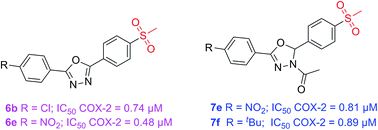
In vitro COX-1/2 inhibition. The compounds 4a–h, 5a–h, 6a–f and 7a–g were evaluated for COX-1 and COX-2 enzyme inhibitory activity in vitro. All the compounds displayed selective COX-2 inhibition (Table 1). The compounds possessing a methylsulfonyl group (6a–f and 7a–g) displayed the most potent and selective inhibition of COX-2. Compounds 6b, 6e, 6f, 7e and 7f emerged as the most potent and selective COX-2 inhibitors with the IC50 values of 0.74 0.48, 0.69, 0.81 and 0.89 μM, respectively (Fig. 3A and B). The selectivity indices of 6b and 6e were found to be 74.31 and 132.83, respectively, indicating their high selectivity against COX-2. Based on these results, we have determined the following SARs: (1) the substitution of the aromatic ring with electron withdrawing groups (6b, 6c, 6e, 7b, 7c and 7e) increased COX-2 inhibition, whereas electron donating groups tended to reverse the effect (6d and 7d). (2) The conversion of the thiomethyl group to a sulfone moiety (6a–f and 7a–g) drastically improved COX-2 selectivity. (3) N-acetyl derivatives (5a–h and 7a–g) followed similar trends as observed with non-acetylated compounds (4a–h and 6a–f). However, the selectivity indices of N-acetyl-1,3,4-oxadiazoles (SI = 28.67–68.10) was less in comparison to the corresponding non-acetylated derivatives (SI = 47.66–132.83). (4) The replacement of one phenyl ring with pyridine resulted in the loss of COX-2 activity (Fig. 1). Overall, the present study paves a direction for the development of appropriately substituted 2,5-diaryl-1,3,4-oxadiazoles as potent and selective COX-2 inhibitors.
Table 1 In vitro COX-1 and COX-2 inhibitory potential and cell viability of compoundsa
Compounds COX inhibition at 30 μM SIb Cell viabilityd (% of control)
COX-1 COX-2 RAW 264.7 J774A.1
a The results are expressed as mean ± SEM (n = 2).b Selectivity index (COX-1 IC50/COX-2 IC50).c The IC50 values are expressed as means of two determinations.d Cell viability was measured at 30 μM concentration.
4a 36.06 ± 1.99 58.91 ± 0.12      
4b 41.81 ± 1.72 84.08 ± 1.03      
4c 49.00 ± 2.12 77.13 ± 0.92      
4d 42.26 ± 3.67 59.40 ± 1.86      
4e 38.93 ± 0.86 83.04 ± 1.57      
4f 25.48 ± 1.19 88.27 ± 1.40      
4g 43.33 ± 2.95 84.68 ± 3.53      
4h 38.02 ± 0.86 56.37 ± 2.44      
5a 45.41 ± 2.22 78.37 ± 1.09      
5b 36.94 ± 0.55 84.81 ± 0.85      
5c 55.31 ± 1.85 80.36 ± 0.19      
5d 52.74 ± 1.72 66.60 ± 0.88      
5e 37.66 ± 0.23 81.94 ± 0.51      
5f 33.61 ± 0.78 81.01 ± 0.91      
5g 30.45 ± 1.49 79.36 ± 0.99      
5h 43.95 ± 0.80 77.59 ± 1.11      
6a 45.78 ± 2.4 76.47 ± 0.90      
6b 34.70 ± 1.92 91.54 ± 0.82 74.31 94.21 ± 1.05 90.11 ± 0.96
54.99c 0.74c
6c 28.40 ± 2.47 89.76 ± 0.69 47.66 97.45 ± 1.23 89.43 ± 1.24
67.68c 1.42c
6d 21.84 ± 1.37 79.43 ± 2.92      
6e 32.79 ± 1.60 95.48 ± 0.08 132.83 99.00 ± 1.25 91.85 ± 1.96
63.76c 0.48c
6f 11.83 ± 0.95 97.29 ± 1.50 99.82 97.94 ± 0.56 89.99 ± 1.84
68.88c 0.69c
7a 32.81 ± 1.19 88.70 ± 0.92      
7b 27.06 ± 0.77 94.27 ± 0.82 47.42 97.29 ± 1.70 89.24 ± 1.20
46.95c 0.99c
7c 31.86 ± 0.99 92.23 ± 2.08 28.67 96.54 ± 1.62 89.15 ± 2.96
43.58c 1.52c
7d 43.21 ± 1.59 75.17 ± 1.15      
7e 24.96 ± 0.62 92.07 ± 0.85 67.96 97.04 ± 2.51 88.96 ± 2.04
55.05c 0.81c
7f 20.42 ± 0.51 94.23 ± 1.20 68.10 98.60 ± 1.04 90.13 ± 2.85
60.61c 0.89c
7g 28.94 ± 1.91 89.01 ± 1.69      
Indomethacin 98.23 ± 0.33 50.99 ± 0.34      
Celecoxib 37.98c 0.10c 379.80    


image file: c5ra01428j-f1.tif
Fig. 1 Structure–activity relationships of 1,3,4-oxadiazole derivatives.

image file: c5ra01428j-f2.tif
Fig. 2 Docking pose of compound 6e (A1) and celecoxib (A2) at the active site of COX-2 enzyme.

image file: c5ra01428j-f3.tif
Fig. 3 Concentration–response curve of compounds against COX-1 (A) and COX-2 (B) and time–response curve for anti-inflammatory activity (C).
In vivo anti-inflammatory activity. Eight compounds (namely, 6b, 6c, 6e, 6f, 7b, 7c, 7e and 7f) that displayed potent COX-2 inhibition (≥90% inhibition) were evaluated for anti-inflammatory potential in a carrageenan-induced rat paw edema assay. The compounds were tested at a dose of 150 μmol kg−1 (Table 2). The observed anti-inflammatory activities of all the compounds were either comparable or better than that of celecoxib, which is a positive control used in the assay. Compounds 6e, 6f and 7f showed significant reduction of rat paw edema (55–59% inhibition) in comparison to celecoxib (49% inhibition) at 5 h. The carrageenan-induced rat paw edema assay comprised of a biphasic phenomenon, and compounds that inhibit prostaglandin biosynthesis were detected during the second phase (between 2 h and 5 h, Fig. 3C).22 All examined compounds suppressed the development of the second phase of edema. This suppression can be attributed to their ability to bind COX, which is an enzyme responsible for the biosynthesis of prostaglandins.
Table 2 In vivo anti-inflammatory activity of compounds in a carrageenan-induced rat paw edema assay at 150 μmol kg−1 dosea
Compounds Anti-inflammatory activity
% inhibition after 1 h ± SEM % inhibition after 3 h ± SEM % inhibition after 5 h ± SEM
a The results are expressed as mean ± SEM (n = 5). Significance was calculated by using one-way ANOVA with Dunnett's t-test. The difference in results were considered significant when p < 0.05 vs. control. *p < 0.05, **p < 0.01, ***p < 0.001.
6b 23.96 ± 3.60*** 33.43 ± 3.03*** 41.06 ± 2.64 ***
6c 20.14 ± 3.20*** 32.27 ± 2.50*** 41.01 ± 1.65***
6e 26.22 ± 3.16*** 43.59 ± 2.59*** 58.04 ± 1.30***
6f 28.79 ± 2.25*** 42.30 ± 1.60*** 55.22 ± 2.46***
7b 20.78 ± 2.45*** 31.01 ± 1.94*** 43.09 ± 2.83***
7c 17.86 ± 1.95** 31.08 ± 2.19*** 40.02 ± 2.97***
7e 22.60 ± 3.50*** 32.25 ± 1.62*** 46.38 ± 2.47***
7f 30.86 ± 3.32*** 46.31 ± 3.27*** 59.33 ± 2.19***
Celecoxib 23.63 ± 1.64*** 39.55 ± 1.86*** 49.81 ± 1.92***


Cytotoxicity evaluation

Cytotoxicity evaluations of the eight compounds (6b, 6c, 6e, 6f, 7b, 7c, 7e and 7f) were carried out against two cell lines, namely, RAW 264.7 and J774A.1, at 30 μM concentration. It is evident from Table 1 that none of the tested compounds showed cytotoxicity in either RAW 264.7 or J774A.1 cells. In all the examined compounds, cell viability was found to be more than 89%. Therefore, it can be assumed that the observed anti-inflammatory activity of these compounds was not due to cytotoxicity.

Molecular docking study

To ascertain the plausible mode of protein–ligand interaction in the COX-2 active site, molecular docking studies were performed using the GOLD program. All the studied compounds displayed better gold fitness scores against COX-2 enzyme as compared to COX-1 (Table 3). This signifies the better shape complementary of the docked compounds against the active site pocket of the COX-2. Compounds bearing methylsulfonyl moieties showed higher docking scores against COX-2 in comparison to the corresponding thiomethyl derivatives. This could be due to the larger volume of the COX-2 side pocket that assists the insertion of methylsulfonyl group. However, the extra steric bulk of Ile-523 in COX-1 in place of Val-523 in COX-2 shrinks the side pocket.14 Docking poses of the most potent compound 6e revealed hydrogen bonding interactions between the oxygen atom of SO2CH3 and the hydrogen atom of Tyr385 (O[double bond, length as m-dash]S[double bond, length as m-dash]O⋯H–O–Tyr385, 2.73 Å). The substrate is surrounded mostly by the hydrophobic residues Arg120, Tyr355, Phe381, Tyr385, Trp387 and Ala527 (Fig. 2A1). Similar hydrogen bonding interactions were observed with celecoxib (O[double bond, length as m-dash]S[double bond, length as m-dash]O⋯H–O–Tyr385, 3.01 Å, Fig. 2A2). The docking pose of celecoxib depicts the same binding orientation of the sulfone moiety as observed with compound 6e. These docking studies predict the distinct protein–ligand binding interactions and corroborate the observed COX-2 inhibition in vitro.
Table 3 Docking analysis of compounds at the active site of COX-1 and COX-2
Compounds COX-1 COX-2
Gold fitness score Residue involved in H-bond interaction with COX-1 Gold fitness score Residue involved in H-bond interaction with COX-2
4a 43.82 No interaction 47.65 No interaction
4b 35.54 No interaction 47.96 No interaction
4c 39.39 No interaction 44.56 No interaction
4d 44.51 Ser530(2.92 Å) 52.18 No interaction
4e 39.86 Ser530(2.85 Å) 46.76 Ser530(2.84 Å)
4f 28.06 No interaction 42.86 No interaction
4g 36.80 No interaction 45.86 No interaction
4h 45.36 No interaction 48.70 Ser530(2.97 Å)
5a 37.27 No interaction 53.14 Tyr355(2.30 Å)
5b 35.38 No interaction 48.90 No interaction
5c 44.18 No interaction 59.47 No interaction
5d 35.77 No interaction 44.88 No interaction
5e 34.05 No interaction 47.95 Tyr355(2.66 Å), Ser119(2.79 Å)
5f 36.06 No interaction 43.21 No interaction
5g 43.92 No interaction 47.15 No interaction
5h 2.06 No interaction 10.52 No interaction
6a 39.98 Arg120(2.93 Å), Tyr355(2.99 Å) 46.27 Arg120(3.04 Å), Tyr355(2.72 Å)
6b 36.18 No interaction 53.74 No interaction
6c 32.82 No interaction 47.66 Tyr355(2.41 Å)
6d 32.32 Tyr355(2.88 Å) 51.81 Tyr355(2.81 Å)
6e 35.02 No interaction 52.94 Tyr385(2.73 Å)
6f −3.84 Tyr384(2.91 Å) 46.65 No interaction
7a 35.20 Tyr385(1.91 Å) 55.53 Tyr355(2.73 Å)
7b 25.79 No interaction 47.80 Tyr385(3.99 Å)
7c 34.48 Ala527(2.96 Å) 47.18 Tyr385(2.02 Å)
7d 30.48 Tyr385(2.90) 47.95 No interaction
7e 28.28 Arg(2.91 Å) 49.84 Tyr355(2.69 Å), Ala527(2.87 Å)
7f 5.25 Tyr355(2.21 Å), Ala527(2.91 Å) 48.37 Tyr355(2.43 Å), Ala527(2.88 Å)
7g 30.23 No interaction 47.40 Tyr385(2.98 Å)
Celecoxib 24.18 Tyr385(2.34 Å) 55.72 Tyr385(3.01 Å)


Theoretical evaluation of ADME properties

Compounds showing potential anti-inflammatory activity (6e, 6f and 7f) in carrageenan-induced rat paw edema assay were evaluated for ADME properties in silico using Accelrys Discovery Studio 2.5 (Table 4). All the compounds were predicted to have good absorption, medium to low ability to cross the blood brain barrier and good solubility, which was comparable with celecoxib.
Table 4 Prediction of ADME properties of selected 1,3,4-oxadiazole derivativesa
Compounds Absorption levelb BBB levelc log[thin space (1/6-em)]Sd PPBe log[thin space (1/6-em)]P
a The data was determined with Accelrys Discovery Studio 2.5.b Absorption-level (0 = good and 3 = very low).c BBB, blood brain barrier (0 = very high and 3 = low).d log[thin space (1/6-em)]S < −8.0 = extreme low, log[thin space (1/6-em)]S −6.0 < −2.0 = good.e PPB, plasma protein binding (0 = PPB < 90% and 2 = PPB > 95%).
6e 0 4 −2.54 0 1.22
6f 0 2 −5.22 0 3.98
7f 0 2 −5.14 2 3.84
Celecoxib 0 2 −6.6 1 4.42


Experimental

Materials and methods

All the chemicals were purchased from Sigma Aldrich and Alfa Aesar. Melting points were determined on a PERFIT digital melting point apparatus. 1H and 13C NMR spectra were recorded in deuterated solvents on a Bruker Advance 400 MHz spectrometer with TMS as an internal standard. Chemical shifts (δ) are given in ppm and J values are expressed in Hz. High resolution mass spectra were recorded on a Bruker MaXis™ UHR-TOF. Open column chromatography and thin layer chromatography (TLC) were performed on Silica gel [Merck® silica gel 100–200 mesh, F254 and Merck® silica gel, respectively]. The evaporation of solvents was performed at reduced pressure using a Buchi rotary evaporator.

For the cytotoxicity studies, Dulbecco's modified Eagle's medium (DMEM), fetal bovine serum (FBS), phosphate buffered saline (PBS), 3-(4,5-dimethyl-2-thiazolyl)-2,5-diphenyl-2H-tetrazolium bromide (MTT), antibiotic solution and other chemicals for the biological experiments were purchased from Hi-media Limited (Mumbai, India). Instruments such as ultracentrifuge (Sigma, St. Louis, MO, USA), CO2 incubator (WTC Binder, Tuttlingen, Germany), biosafety cabinet (Clean air, Chennai, India), autopipettes, ELISA plate reader (Labsystems, Helsinki, Finland) and Neubauer chamber (HBG, Gießen, Germany) were also used.

Syntheses

General procedure for the preparation of 1,3,4-oxadiazoles derivatives (4a–h and 5a–h). The commercially available substituted hydrazides 1 (10 mmol) were treated with a variety of benzaldehydes 2 (10 mmol) in ethanol (10 mL) at room temperature for 3 h to obtain the corresponding acyl hydrazones (3a–h). The obtained acyl hydrazones were treated with NBS (1.5 equivalents) and triethylamine (1.5 equivalents) in DCM at room temperature for 2–5 h to afford the corresponding 1,3,4-oxadiazoles (4a–h). For the preparation of N-acetyl-2,5-diaryl-1,3,4-oxadiazoles, the acyl hydrazones (3a–h, 5 mmol) were refluxed with acetic anhydride (10 mmol) for 15–20 h to afford the corresponding N-acetyl-1,3,4-oxadiazoles (5a–h). Workup was done by partitioning the reaction mixture with water and EtOAc. The organic phase was separated and concentrated under reduced pressure by a rotary vacuum evaporator to afford the crude product, which was purified by column chromatography (100–200 mesh silica-gel) using a hexane/EtOAc solvent system.
General procedure for the oxidation of thiomethyl to sulfone (6a–f and 7a–g). Compounds 4a–f and 5a–g (2 mmol) were dissolved in ACN (5 mL) and stirred at room temperature. Then, oxone (4 mmol) was dissolved in water (2 mL) and added to reaction mixture with the aid of a dropping funnel. The reaction was continued for 2 h and monitored by TLC. After completion, the reaction mixture was dried completely and then partitioned with water and EtOAc three times. The EtOAc layer was dried by a rotary evaporator to furnish the final compounds (6a–f and 7a–g).
2-(4-(Methylthio)phenyl)-5-phenyl-1,3,4-oxadiazole 4a. White solid, yield 75%; m.p. 97–99 °C; 1H NMR (CDCl3, 400 MHz) δ ppm: 2.56 (s, 3H, SCH3), 7.33–7.39 (m, 2H, Ar–H), 7.47–7.62 (m, 3H, Ar–H), 8.05–8.08 (m, 2H, Ar–H), 8.13–8.17 (m, 2H, Ar–H); 13C NMR (CDCl3, 100 MHz) δ ppm: 14.9, 120.0, 123.9, 125.8, 126.9, 127.1, 128.2, 128.4, 129.0, 130.2, 131.7, 133.6, 144.0, 164.3, 164.4. HRMS: (ESI) m/z: calcd for C15H12N2OSNa [M + Na]+ 291.0568; found 291.0564.
2-(4-Chlorophenyl)-5-(4-(methylthio)phenyl)-1,3,4-oxadiazole 4b. White solid, yield 76%; m.p. 171–173 °C; 1H NMR (CDCl3, 400 MHz) δ ppm: 2.55 (s, 3H, SCH3), 7.35 (d, 2H, J = 8.24 Hz, Ar–H), 7.51 (d, 2H, J = 8.12 Hz, Ar–H), 8.00–8.07 (m, 4H, Ar–H); 13C NMR (CDCl3, 100 MHz) δ ppm: 13.8, 118.7, 121.3, 124.1, 124.7, 126.8, 127.1, 128.4, 136.9, 143.2, 162.5, 163.5. HRMS (ESI) m/z: calcd for C15H11N2ClOSNa [M + Na]+ 325.0178; found 325.0183.
2-(2-Fluorophenyl)-5-(4-(methylthio)phenyl)-1,3,4-oxadiazole 4c. White solid, yield 81%; m.p. 111–113 °C; 1H NMR (CDCl3, 400 MHz) δ ppm: 2.56 (s, 3H, SCH3), 7.31–7.38 (m, 4H, Ar–H), 7.53–7.58 (m, 1H, Ar–H), 8.04–8.07 (m, 1H, Ar–H), 8.14–8.18 (m, 1H, Ar–H); 13C NMR (CDCl3, 100 MHz) δ ppm: 14.9, 116.9, 117.1, 119.8, 124.6, 124.7, 125.8, 127.2, 129.7, 133.3, 133.4, 144.1, 158.7, 161.2, 164.8. HRMS (ESI) m/z: calcd for C15H11N2FOSNa [M + Na]+ 309.0474; found 309.0477.
2-(4-(Methylthio)phenyl)-5-(p-tolyl)-1,3,4-oxadiazole 4d. White solid, yield 75%; m.p. 142–144 °C; 1H NMR (CDCl3, 400 MHz) δ ppm: 2.46 (s, 3H, CH3), 2.57 (s, 3H, SCH3), 7.34–7.38 (m, 4H, Ar–H), 8.02–8.06 (m, 4H, Ar–H); 13C NMR (CDCl3, 100 MHz) δ ppm: 15.0, 21.6, 120.1, 121.1, 125.8, 126.8, 127.1, 129.7, 142.2, 143.8, 164.1, 164.5. HRMS (ESI) m/z: calcd for C16H14N2OSNa [M + Na]+ 305.0725; found 305.0726.
2-(4-(Methylthio)phenyl)-5-(4-nitrophenyl)-1,3,4-oxadiazole 4e. Pale yellow, yield 70%; m.p. 172–174 °C; 1H NMR (CDCl3, 400 MHz) δ ppm: 2.56 (s, 3H, SCH3), 7.38–7.41 (m, 2H, Ar–H), 8.06–8.09 (m, 2H, Ar–H), 8.34–8.47 (m, 4H, Ar–H); 13C NMR (CDCl3, 100 MHz) δ ppm: 14.9, 119.3, 124.4, 124.5, 125.8, 127.3, 127.7, 128.1, 129.4, 145.0, 149.5, 162.6, 165.4. HRMS (ESI) m/z: calcd for C15H11N3O3SNa [M + Na]+ 336.0419; found 336.0409.
2-(4-(tert-Butyl)phenyl)-5-(4-(methylthio)phenyl)-1,3,4-oxadiazole 4f. White solid, yield 73%; m.p. 111–113 °C; 1H NMR (CDCl3, 400 MHz) δ ppm: 1.38 (s, 9H, CH3), 2.55 (s, 3H, SCH3), 7.36 (d, 3H, J = 8.52 Hz, Ar–H), 7.55 (d, 2H, J = 8.52 Hz, Ar–H), 8.03–8.07 (m, 4H, Ar–H); 13C NMR (CDCl3, 100 MHz) δ ppm: 14.9, 31.1, 35.1, 120.1, 121.0, 125.1, 125.8, 126.0, 126.7, 127.1, 143.8, 155.3, 164.2, 164.4. HRMS (ESI) m/z: calcd for C19H20N2OSNa [M + Na]+ 347.1194; found 347.1194.
2-(4-(tert-Butyl)phenyl)-5-(4-(trifluoromethyl)phenyl)-1,3,4-oxadiazole 4g. White solid, yield 68%; m.p. 158–160 °C; 1H NMR (CDCl3, 400 MHz) δ ppm: 1.40 (s, 9H, CH3), 7.59 (dd, 2H, J = 8.64 Hz, 1.96 Hz, Ar–H), 7.83 (d, 2H, J = 8.16 Hz, Ar–H), 8.10 (dd, 2H, J = 6.72 Hz, 1.96 Hz, Ar–H), 8.29 (d, 2H, J = 8.76 Hz, Ar–H); 13C NMR (CDCl3, 100 MHz) δ ppm: 31.1, 35.1, 120.7, 122.2, 124.9, 125.4, 126.0, 126.1, 126.2, 127.2, 130.0, 133.0, 133.3, 155.8, 163.2, 165.2. HRMS (ESI) m/z: calcd for C19H17F3N2ONa [M + Na]+ 369.1191; found 369.1173.
2-(4-Chlorophenyl)-5-(pyridin-4-yl)-1,3,4-oxadiazole 4h. White solid, yield 79%; m.p. 180–182 °C; 1H NMR (CDCl3, 400 MHz) δ ppm: 7.55–7.59 (m, 2H, Ar–H), 8.00–8.02 (m, 2H, Ar–H), 8.10–8.14 (m, 2H, Ar–H), 8.87–8.88 (m, 2H, Ar–H); 13C NMR (CDCl3, 100 MHz) δ ppm: 113.1, 113.4, 120.0, 121.8, 123.0, 128.4, 129.6, 130.8, 135.8, 138.7, 15.9, 162.9, 164.7. HRMS (ESI) m/z: calcd for C13H8N3ClONa [M + Na]+ 280.0254; found 280.0244.
1-(2-(4-(Methylthio)phenyl)-5-phenyl-1,3,4-oxadiazol-3(2H)-yl)ethanone 5a. White solid, yield 60%; m.p. 136–138 °C; 1H NMR (CDCl3, 400 MHz) δ ppm: 2.38 (s, 3H, COCH3) 2.49 (s, 3H, SCH3), 7.06 (s, 1H, H-2), 7.27 (d, 2H, J = 7.58 Hz, Ar–H), 7.41- 7.55 (m, 5H, Ar–H) 7.91 (d, 2H, J = 7.82 Hz, Ar–H); 13C NMR (CDCl3, 100 MHz) δ ppm: 15.4, 21.4, 92.0, 124.5, 126.3, 126.9, 127.0, 128.7, 131.6, 133.0, 141.0, 155.7, 167.8. HRMS (ESI) m/z: calcd for C17H16N2O2SNa [M + Na]+ 335.0830; found 335.0856.
1-(5-(4-Chlorophenyl)-2-(4-(methylthio)phenyl)-1,3,4-oxadiazol-3(2H)-yl)ethanone 5b. Pale yellow solid, yield 55%; m.p. 132–134 °C; 1H NMR (CDCl3, 400 MHz) δ ppm: 2.35 (s, 3H, COCH3), 2.48 (s, 3H, SCH3), 7.04 (s, 1H, H-2), 7.26 (d, 2H, J = 8.36 Hz, Ar–H), 7.38–7.44 (m, 4H, Ar–H) 7.83 (d, 2H, J = 8.6 Hz, Ar–H); 13C NMR (CDCl3, 100 MHz) δ ppm: 14.1, 21.4, 92.3, 123.0, 126.3, 126.9, 128.2, 129.0, 132.7, 137.8, 141.1, 154.9, 167.8. HRMS (ESI) m/z: calcd for C17H15ClN2O2SNa [M + Na]+ 369.0440; found 369.0447.
1-(5-(2-Fluorophenyl)-2-(4-(methylthio)phenyl)-1,3,4-oxadiazol-3(2H)-yl)ethanone 5c. Pale yellow solid, yield 62%; m.p. 116–119 °C; 1H NMR (CDCl3, 400 MHz) δ ppm: 2.36 (s, 3H, COCH3) 2.47 (s, 3H, SCH3) 7.02 (s, 1H, H-2), 7.17–7.27 (m, 4H, Ar–H), 7.40 (d, 2H, J = 8.36 Hz, Ar–H), 7.46–7.50 (m, 1H, Ar–H), 7.80 (t, 1H, J = 7.72 Hz, Ar–H); 13C NMR (CDCl3, 100 MHz) δ ppm: 15.4, 21.4, 91.4, 116.6, 124.3, 126.3, 127.0, 129.6, 132.8, 133.3, 141.0, 152.2, 161.9, 168.0. HRMS (ESI) m/z: calcd for C17H15FN2O2SNa [M + Na]+ 353.0736; found 353.0733.
1-(2-(4-(Methylthio)phenyl)-5-(p-tolyl)-1,3,4-oxadiazol-3(2H)-yl)ethanone 5d. White solid, yield 62%; m.p. 153–155 °C; 1H NMR (DMSO, 400 MHz) δ ppm: 2.25 (s, 3H, CH3), 2.37 (s, 3H, COCH3), 2.48 (s, 3H, SCH3), 7.13 (s, 1H, H-2), 7.29–7.40 (m, 6H, Ar–H), 7.72 (d, 2H, J = 8.16 Hz, Ar–H); 13C NMR (DMSO, 100 MHz) δ ppm: 14.8, 21.6, 31.1, 91.9, 121.5, 126.2, 127.0, 127.5, 130.1, 133.4, 140.9, 142.5, 155.2, 167.0. HRMS (ESI) m/z: calcd for C18H18N2O2SNa [M + Na]+ 349.0987; found 349.0996.
1-(2-(4-(Methylthio)phenyl)-5-(4-nitrophenyl)-1,3,4-oxadiazol-3(2H)-yl)ethanone 5e. Yellow solid, yield 54%; m.p. 146–148 °C; 1H NMR (CDCl3, 400 MHz) δ ppm: 2.40 (s, 3H, COCH3), 2.50 (s, 3H, SCH3), 7.11 (s, 1H, H-2), 7.29 (dd, 2H, J = 1.8 Hz, 6.66 Hz, Ar–H), 7.40 (dd, 2H, J = 1.68 Hz, 6.72 Hz, Ar–H), 8.07 (dt, 2H, J = 2 Hz, 8.96 Hz, Ar–H), 8.31 (dd, 2H, J = 1.92 Hz, 8.96 Hz, Ar–H); 13C NMR (CDCl3, 100 MHz) δ ppm: 15.3, 21.4, 93.1, 123.9, 126.3, 127.0, 127.8, 130.4, 132.2, 144.6, 149.4, 153.7, 167.9. HRMS (ESI) m/z: calcd for C17H15N3O4SNa [M + Na]+ 380.0681; found 380.0686.
1-(5-(4-(tert-Butyl)phenyl)-2-(4-(methylthio)phenyl)-1,3,4-oxadiazol-3(2H)-yl)ethanone 5f. White solid, yield 80%; m.p. 162–164 °C; 1H NMR (CDCl3, 400 MHz) δ ppm: 1.33 (s, 9H, 3CH3), 2.34 (s, 3H, COCH3), 2.45 (s, 3H, SCH3), 7.02 (s, 1H, H-2), 7.23 (d, 2H, J = 8.4 Hz, Ar–H), 7.38 (d, 2H, J = 8.36 Hz, Ar–H), 7.45 (d, 2H, J = 8.6 Hz, Ar–H), 7.81 (d, 2H, J = 8.5 Hz, Ar–H); 13C NMR (CDCl3, 100 MHz) δ ppm: 15.4, 21.5, 31.1, 35.0, 91.8, 121.6, 125.7, 126.3, 126.8, 127.0, 133.1, 140.9, 155.3, 155.9, 167.7. HRMS (ESI) m/z: calcd for C21H24N2O2SNa [M + Na]+ 391.1456; found 391.1470.
1-(5-(2-Chlorophenyl)-2-(4-(methylthio)phenyl)-1,3,4-oxadiazol-3(2H)-yl)ethanone 5g. White solid, yield 52%; m.p. 113–115 °C; 1H NMR (CDCl3, 400 MHz) δ ppm: 2.39 (s, 3H, COCH3), 2.50 (s, 3H, SCH3), 7.05 (s, 1H, H-2), 7.29 (dt, 2H, J = 2 Hz, 8.24 Hz, Ar–H), 7.36 (td, 1H, J = 1.28 Hz, 7.72 Hz, Ar–H), 7.46–7.42 (m, 3H, Ar–H), 7.54 (dd, 1H, J = 1.16 Hz, 8.04 Hz, Ar–H), 7.84 (dd, 1H, J = 1.64 Hz, 7.8 Hz, Ar–H); 13C NMR (CDCl3, 100 MHz) δ ppm: 15.4, 21.5, 91.6, 123.4, 126.3, 126.8, 127.0, 130.6, 131.3, 132.0, 133.4, 141.0, 153.7, 168.1. HRMS (ESI) m/z: calcd for C17H15N3O2SNa [M + Na]+ 369.0440; found 369.0357.
1-(5-(4-(tert-Butyl)phenyl)-2-(4-(trifluoromethyl)phenyl)-1,3,4-oxadiazol-3(2H)-yl)ethanone 5h. White solid, yield 63%; m.p. 88–91 °C; 1H NMR (CDCl3, 400 MHz) δ ppm: 1.37 (s, 9H, 3CH3) 2.38 (s, 3H, COCH3), 7.14 (s, 1H, H-2), 7.50 (d, 2H, J = 8.52 Hz, Ar–H), 7.63–7.69 (m, 4H, J = 8.48 Hz, Ar–H), 7.85 (d, 2H, J = 8.52 Hz, Ar–H); 13C NMR (CDCl3, 100 MHz) δ ppm: 21.4, 31.1, 35.1, 91.0, 121.2, 122.4, 125.1, 125.7, 126.8, 127.0, 131.7, 132.0, 140.0, 155.6, 155.9, 168.0. HRMS (ESI) m/z: calcd for C21H21F3N2O2Na [M + Na]+ 413.1453; found 413.1455.
2-(4-(Methylsulfonyl)phenyl)-5-phenyl-1,3,4-oxadiazole 6a. White solid, yield 72%; m.p. 187–189 °C; 1H NMR (CDCl3, 400 MHz) δ ppm: 3.15 (s, 3H, SO2CH3), 7.48–7.65 (m, 4H, Ar–H), 8.13–8.39 (m, 5H, Ar–H); 13C NMR (CDCl3, 100 MHz) δ ppm: 44.4, 123.3, 127.1, 127.7, 128.3, 128.5, 128.6, 128.7, 129.2, 130.2, 132.3, 133.7, 143.1, 163.0, 165.4. HRMS (ESI) m/z: calcd for C15H12N2O3SNa [M + Na]+ 323.0466; found 323.0458.
2-(4-Chlorophenyl)-5-(4-(methylsulfonyl)phenyl)-1,3,4-oxadiazole 6b. White solid, yield 74%; m.p. 255–257 °C; 1H NMR (CDCl3, 400 MHz) δ ppm: 3.14 (s, 3H, SO2CH3), 7.54–7.57 (m, 2H, Ar–H), 8.10–8.15 (m, 4H, Ar–H), 8.36 (d, 2H, J = 8.48 Hz, Ar–H); 13C NMR (CDCl3, 100 MHz) δ ppm: 44.4, 121.8, 124.3, 127.7, 128.3, 128.4, 128.5, 129.6, 129.7, 138.6, 143.2, 163.2, 164.6. HRMS (ESI) m/z: calcd for C15H11N2ClO3SNa [M + Na]+ 357.0077; found 357.0076.
2-(2-Fluorophenyl)-5-(4-(methylsulfonyl)phenyl)-1,3,4-oxadiazole 6c. White solid, yield 78%; m.p. 189–191 °C; 1H NMR (CDCl3, 400 MHz) δ ppm: 3.13 (s, 3H, SO2CH3), 7.28–7.38 (m, 2H, Ar–H), 7.58–7.63 (m, 1H, Ar–H), 8.13–8.21 (m, 3H, Ar–H), 8.37 (d, 2H, J = 8.52 Hz, Ar–H); 13C NMR (CDCl3, 100 MHz) δ ppm: 44.4, 117.0, 124.9, 126.1, 127.8, 128.3, 128.5, 128.8, 129.9, 134.0, 134.1, 143.2, 158.8, 161.4, 163.4. HRMS (ESI) m/z: calcd for C15H11N2FO3SNa [M + Na]+ 341.0372; found 341.0372.
2-(4-(Methylsulfonyl)phenyl)-5-(p-tolyl)-1,3,4-oxadiazole 6d. White solid, yield 72%; m.p. 222–224 °C; 1H NMR (CDCl3, 400 MHz) δ ppm: 2.48 (s, 3H, CH3), 3.14 (s, 3H, SO2CH3), 7.38 (dd, 2H, J = 8.52 Hz, 0.60 Hz, Ar–H), 8.05–8.08 (m, 2H, Ar–H), 8.13–8.16 (m, 2H, Ar–H), 8.35–8.38 (m, 2H, Ar–H); 13C NMR (CDCl3, 100 MHz) δ ppm: 21.7, 44.4, 120.6, 127.1, 127.6, 128.2, 128.8, 129.9, 142.9, 162.8, 165.6. HRMS (ESI) m/z: calcd for C16H14N2O3SNa [M + Na]+ 337.0623; found 337.0622.
2-(4-(Methylsulfonyl)phenyl)-5-(4-nitrophenyl)-1,3,4-oxadiazole 6e. White solid, yield 68%; m.p. 161–163 °C; 1H NMR (CDCl3, 400 MHz) δ ppm: 3.14 (s, 3H, SO2CH3), 8.15–8.17 (m, 2H, Ar–H), 8.36–8.45 (m, 6H, Ar–H); 13C NMR (CDCl3, 100 MHz) δ ppm: 44.3, 124.5, 127.6, 128.0, 128.1, 128.4, 128.7, 128.8, 131.0, 143.7, 149.8, 163.6, 164.0. HRMS (ESI) m/z: calcd for C15H11N3O5SNa [M + Na]+ 368.0317; found 368.0304.
2-(4-(tert-Butyl)phenyl)-5-(4-(methylsulfonyl)phenyl)-1,3,4-oxadiazole 6f. White solid, yield 69%; m.p. 165–168 °C; 1H NMR (CDCl3, 400 MHz) δ ppm: 1.40 (s, 9H, CH3), 3.15 (s, 3H, SO2CH3), 7.60 (dd, 2H, J = 1.96 Hz, 6.78 Hz, Ar–H), 8.09–8.16 (m, 4H, Ar–H), 8.37 (dd, 2H, J = 1.88 Hz, 6.74 Hz, Ar–H); 13C NMR (CDCl3, 100 MHz) δ ppm: 31.1, 35.1, 44.4, 120.5, 126.2, 127.0, 127.6, 128.2, 128.8, 142.9, 156.0, 162.8, 165.5. HRMS (ESI) m/z: calcd for C19H21N2O3S [M + H]+ 379.1092; found 379.1074.
1-(2-(4-(Methylsulfonyl)phenyl)-5-phenyl-1,3,4-oxadiazol-3(2H)-yl)ethanone 7a. White solid, yield 58%; m.p. 147–150 °C; 1H NMR (CDCl3, 400 MHz) δ ppm: 2.39 (s, 3H, COCH3), 3.06 (s, 3H, SO2CH3), 7.16 (s, 1H, H-2), 7.47–7.58 (m, 3H, Ar–H), 7.74 (d, 2H, J = 8.32 Hz, Ar–H), 7.92 (d, 2H, J = 8.48 Hz, Ar–H), 8.07 (d, 2H, J = 8.36 Hz, Ar–H); 13C NMR (CDCl3, 100 MHz) δ ppm: 21.4, 44.5, 91.0, 123.9, 127.0, 127.7, 128.0, 128.8, 132.0, 141.9, 141.7, 155.9, 168.9. HRMS (ESI) m/z: calcd for C17H16N2O4SNa [M + Na]+ 367.0728; found 367.0739.
1-(5-(4-Chlorophenyl)-2-(4-(methylsulfonyl)phenyl)-1,3,4-oxadiazol-3(2H)-yl)ethanone 7b. White solid, yield 51%; m.p. 139–141 °C; 1H NMR (CDCl3, 400 MHz) δ ppm: 2.39 (s, 3H, COCH3), 3.07 (s, 3H, SO2CH3), 7.16 (s, 1H, H-2), 7.47 (d, 2H, J = 8.52 Hz, Ar–H), 7.72 (d, 2H, J = 8.28 Hz, Ar–H), 7.85 (d, 2H, J = 8.52 Hz, Ar–H), 8.01 (d, 2H, J = 8.24 Hz, Ar–H); 13C NMR (CDCl3, 100 MHz) δ ppm: 21.4, 44.5, 91.2, 122.4, 127.7, 128.0, 128.3, 129.2, 138.2, 141.7, 141.8, 155.0, 168.2. HRMS (ESI) m/z: calcd for C17H15ClN2O4SNa [M + Na]+ 401.0339; found 401.0338.
1-(5-(2-Fluorophenyl)-2-(4-(methylsulfonyl)phenyl)-1,3,4-oxadiazol-3(2H)-yl)ethanone 7c. Pale yellow solid, yield 61%; m.p. 128–130 °C; 1H NMR (MeOD, 400 MHz) δ ppm: 2.37 (s, 3H, COCH3), 3.15 (s, 3H, SO2CH3), 7.23 (s, 1H, H-2), 7.29–7.35 (m, 2H, Ar–H), 7.61–7.63 (m, 1H, Ar–H), 7.80 (dd, 2H, J = 1.8 Hz, 6.8 Hz, Ar–H), 7.88 (t, 1H, J = 7.28 Hz, Ar–H), 8.06 (dd, 2H, J = 1.84 Hz, 6.72 Hz, Ar–H); 13C NMR (MeOD, 100 MHz) δ ppm: 19.9, 42.8, 90.6, 116.3, 116.5, 124.4, 127.5, 127.7, 129.4, 133.6, 133.7, 141.7, 142.1, 161.8, 168.7. HRMS (ESI) m/z: calcd for C17H15FN2O4SNa [M + Na]+ 385.0634; found 385.0661.
1-(2-(4-(Methylsulfonyl)phenyl)-5-(p-tolyl)-1,3,4-oxadiazol-3(2H)-yl)ethanone 7d. White solid, yield 60%; m.p. 136–138 °C; 1H NMR (DMSO, 400 MHz) δ ppm: 2.27 (s, 3H, CH3), 2.38 (s, 3H, COCH3), 3.24 (s, 3H, SO2CH3), 7.29 (s, 1H, H-2), 7.36 (d, 2H, J = 8.12 Hz, Ar–H), 7.75 (t, 4H, J = 7.78 Hz, Ar–H), 8.01 (d, 2H, J = 8.36 Hz, Ar–H); 13C NMR (DMSO, 100 MHz) δ ppm: 21.6, 43.7, 91.1, 121.3, 127.1, 128.0, 128.1, 130.1, 142.1, 142.5142.7155.3, 167.4. HRMS (ESI) m/z: calcd for C18H18N2O4SNa [M + Na]+ 381.0885; found 381.0889.
1-(2-(4-(Methylsulfonyl)phenyl)-5-(4-nitrophenyl)-1,3,4-oxadiazol-3(2H)-yl)ethanone 7e. Pale yellow solid, yield 51%; m.p. 185–187 °C; 1H NMR (CDCl3, 400 MHz) δ ppm: 2.42 (s, 3H, COCH3), 3.07 (s, 3H, SO2CH3), 7.21 (s, 1H, H-2), 7.73 (d, 2H, J = 8.04 Hz, Ar–H), 8.03 (d, 2H, J = 8.08 Hz, Ar–H), 8.09 (d, 2H, J = 8.57 Hz, Ar–H), 8.35 (d, 2H, J = 8.56 Hz, Ar–H); 13C NMR (CDCl3, 100 MHz) δ ppm: 21.4, 44.4, 92.0, 124.0, 127.7, 127.9, 128.1, 129.6, 141.2, 142.2, 149.6, 153.6, 168.3. HRMS (ESI) m/z: calcd for C17H15N3O6SNa [M + Na]+ 412.0579; found 412.0573.
1-(5-(4-(tert-Butyl)phenyl)-2-(4-(methylsulfonyl)phenyl)-1,3,4-oxadiazol-3(2H)-yl)ethanone 7f. White solid, yield 77%; m.p. 169–172 °C; 1H NMR (CDCl3, 400 MHz) δ ppm: 1.36 (s, 9H, 3CH3), 2.38 (s, 3H, COCH3), 3.05 (s, 3H, SO2CH3), 7.14 (s, 1H, H-2), 7.50 (d, 2H, J = 8.52 Hz, Ar–H), 7.72 (d, 2H, J = 8.36 Hz, Ar–H), 7.84 (d, 2H, J = 8.52 Hz, Ar–H), 7.99 (d, 2H, J = 8.32 Hz, Ar–H); 13C NMR (CDCl3, 100 MHz) δ ppm: 21.4, 31.1, 35.1, 44.4, 90.7, 121.0, 125.8, 126.9, 127.7, 127.9, 141.7, 142.0, 155.7, 156.0, 168.1. HRMS (ESI) m/z: calcd for C21H24N2O4SNa [M + Na]+ 423.1354; found 423.1359.
1-(5-(2-Chlorophenyl)-2-(4-(methylsulfonyl)phenyl)-1,3,4-oxadiazol-3(2H)-yl)ethanone 7g. White solid, yield 48%; 137–139 °C; 1H NMR (DMSO, 400 MHz) δ ppm: 2.27 (s, 3H, COCH3), 3.24 (s, 3H, SO2CH3), 7.30 (s, 1H, H-2), 7.49 (td, 1H, J = 1.32 Hz, 7.72 Hz, Ar–H), 7.61 (td, 1H, J = 1.68 Hz, 8.04 Hz, Ar–H), 7.67 (dd, 1H, J = 1.6 Hz, 7.8 Hz, Ar–H), 7.80 (d, 2H, J = 8.4 Hz, Ar–H), 7.86 (dd, 1H, J = 1.6 Hz, 7.8 Hz, Ar–H), 8.02 (d, 1H, J = 8.44 Hz, Ar–H); 13C NMR (CDCl3, 100 MHz) δ ppm: 21.1, 43.3, 90.5, 122.5, 127.6, 127.7, 130.8, 131.1, 132.0, 133.0, 141.4, 142.0, 152.9, 167.3. HRMS (ESI) m/z: calcd for C17H15N3O4SNa [M + Na]+ 401.0339; found 401.0337.

In vitro COX-1/2 inhibition assay

The effects of the synthesized compounds on COX-1 and COX-2 were evaluated using a COX (ovine) inhibitor screening assay EIA kit (Catalogue no. 560101, Cayman Chemicals Inc., Ann Arbor, MI, USA) according to the manufacturer's instructions.23 Briefly, the compounds were dissolved in dimethylsulfoxide (DMSO). The enzyme COX-1 and COX-2 (10 μL), heme (10 μL) and compounds (20 μL) were added to the supplied reaction buffer solution (950 μL, 0.1 M Tris–HCl, pH 8 containing 5 mM ethylenediamine tetraacetate and 2 mM phenol). The mixture of these solutions was incubated for a period of 10 min at 37 °C, and then COX reactions were initiated by adding arachidonic acid solution (10 μL, making the final concentration 100 μM). The COX reactions were quenched by the addition of HCl (1 M, 50 μL) after 2 min, saturated stannous chloride (100 μL) was then added and the mixture was again incubated for 5 min at room temperature. The PGF formed by the COX reactions was quantified by EIA. The pre-coated 96-well plate containing compounds was incubated for 18 h at room temperature. After incubation, the plate was washed to remove any unbound reagent, Ellman's reagent (200 μL) was added and the mixture was incubated for 60 min at room temperature (until the absorbance of Bo well is in the range of 0.3–1.0 A. U.). The plate was then read by an ELISA plate reader at 410 nm. The results of this assay have been presented as percent inhibition at 30 μM concentration. The IC50 values of the selected test compounds were calculated from concentration-inhibition response curve.

In vivo carrageenan-induced rat paw edema assay

Animal studies were performed according to the committee for the purpose of control and supervision of experiments on animals (CPCSEA) guidelines and, the protocol used in this study was reviewed and approved by Institutional Animal Ethics Committee, NIPER, S.A.S Nagar (IAEC, approval no. IAEC/13/12). The in vivo assessment of compounds was done using a carrageenan-induced rat paw edema method.24 Female Sprague-Dawley rats (180–200 g) were fasted overnight with free access to water prior to experiments and were divided randomly into nine groups (n = 5). The control group received 1 mL of 0.5% hydroxypropyl methylcellulose (HPMC), the standard group received 150 μmol kg−1 of celecoxib and test groups received 150 μmol kg−1 of synthesized compounds. The rats were dosed orally and after one hour a subplantar injection of 0.1 mL of 1% solution of carrageenan in sterile distilled water was administered to the left hind footpad of each animal. The paw edema volume was measured with a digital plethysmometer at 0, 1, 3 and 5 h intervals after carrageenan injection. Paw edema volume was compared with the control group and percent reduction was calculated as 1 − (change in paw volume in drug treated group/change in paw volume in control group) × 100. Statistically significant differences were determined by a one-way ANOVA test followed by Dunnett's t-test.

Cytotoxicity study (MTT assay)25

RAW 264.7 and J774A.1 cells were obtained from the National Centre for Cell Sciences (NCCS, Pune, India) and cultured in a 250 mL culture flasks containing DMEM supplemented with heat inactivated 10% FBS, 10[thin space (1/6-em)]000 units per mL penicillin and 10 ng mL−1 streptomycin in 0.9% saline, in a CO2 incubator (5% CO2 in air) at 37 °C. Cell viability was determined with the aid of a MTT assay. Briefly, cells were pre-incubated with 7.5, 15 and 30 μM concentrations of compounds in a 96-well microtitre plate for 24 h. Subsequently, 10 μL of MTT (5 mg mL−1 in a PBS, pH 7.4) was added and then further incubated for 4 h. Finally, the supernatant was removed and the resultant formazan was solubilized by the addition of 100 μL of DMSO into each well. Optical density was measured at 570 nm using a 96-well micro plate reader. The cell viability (%) was calculated by comparison to the control group.

Molecular docking study

Molecular docking was performed using the GOLD program, which uses a genetic algorithm and considers full ligand conformational flexibility and partial protein flexibility, i.e., the flexibility of side chain residues only.26 Default docking parameters were used for the docking study, which includes 100[thin space (1/6-em)]000 genetic operations on a population size of 100 individuals and mutation rate of 95. The crystal structure of COX-1 (pdb id: 3N8Z) and COX-2 (pdb id: 3NT1), having resolutions of 2.90 Å and 1.73 Å, respectively, were taken from the protein data bank (PDB) and considered for the molecular docking study.27 The COX-1 and COX-2 crystal structures contained flurbiprofen and naproxen as a co-crystal ligand, respectively. The docking protocol was set by extracting and re-docking the flurbiprofen and naproxen in the COX-1 and COX-2 crystal structure, respectively, with a rmsd < 0.60 Å. This was followed by docking the described molecules in the active site, which was defined as 6.5 Å regions around the co-crystal ligand in the COX-1 and COX-2 protein.

Conclusions

In conclusion, a new series of 1,3,4-oxadiazole derivatives as potent and selective COX-2 inhibitors has been devised. The synthesized compounds exhibited selective COX-2 inhibition and compounds 6e, 6f, 7e and 7f were observed to be the most potent COX-2 inhibitors. The compounds bearing a methylsulfonyl substituent were found to be comparatively more COX-2 selective than those without this substituent. The presence of a tertiary-butyl and nitro group in addition to the methylsulfonyl substituent further enhanced the COX-2 activity and selectivity. Three compounds 6e, 6f and 7f demonstrated better anti-inflammatory potency in vivo than celecoxib in a carrageenan induced rat paw edema assay. None of the tested compounds were found to be cytotoxic against RAW 264.7 and J774A.1 cells. The COX-2 selectivity of these compounds was rationalized through a molecular docking study, which predicted ligand gating at the active site of the enzyme. Thus, the present study unfolds 2,5-diaryl-1,3,4-oxadiazoles as a new scaffold for the design of next generation COX-2 inhibitors and may provide alternate therapeutics for RA and OA.

Acknowledgements

Authors thank the Director, NIPER-S.A.S Nagar, for providing financial assistance to carry out the present work.

References

  1. L. J. Marnett, S. W. Rowlinson, D. C. Goodwin, A. S. Kalgutkar and C. A. Lanzo, J. Biol. Chem., 1999, 274, 22903–22906 CrossRef CAS PubMed.
  2. J. L. Masferrer, B. S. Zweifel, P. T. Manning, S. D. Hauser, K. M. Leahy, W. G. Smith, P. C. Isakson and K. Seibert, Proc. Natl. Acad. Sci. U. S. A., 1994, 91, 3228–3232 CrossRef CAS.
  3. C. P. Cannon and P. J. Cannon, Science, 2012, 336, 1386–1387 CrossRef CAS PubMed.
  4. S. Trelle, S. Reichenbach, S. Wandel, P. Hildebrand, B. Tschannen, P. M. Villiger, M. Egger and P. Juni, Br. Med. J., 2011, 342, c7086 CrossRef PubMed.
  5. A. M. S. Olsen, E. L. Fosbol, J. Lindhardsen, F. Folke, M. Charlot, C. Selmer, M. Lamberts, J. B. Olesen, L. Kober, P. R. Hansen, C. Torp-pedersen and G. H. Gislason, Circulation, 2011, 123, 2226–2235 CrossRef PubMed.
  6. J. F. Navarro-Gonzalez, C. Mora-Fernandez, M. M. de Fuentas and J. Garcia-Perez, Nat. Rev. Nephrol., 2011, 7, 327–340 CrossRef CAS PubMed.
  7. A. Mantovani, P. Allavena, A. Sica and F. Balkwill, Nature, 2008, 454, 436–444 CrossRef CAS PubMed.
  8. T. Shono, P. J. Tofilon, J. M. Bruner, O. Owolabi and F. F. Lang, Cancer Res., 2001, 61, 4375–4381 CAS.
  9. A. Karim, K. Mccarthy, A. Jawahar, D. Smith, B. Willis and A. Nanda, Anticancer Res., 2005, 25, 675–679 CAS.
  10. I. V. Bijnsdorp, J. van den Berg, G. K. Kuipers, L. E. Wedekind, B. J. Slotman, J. van Rijn, M. V. M. Lafleur and P. Sminia, J. Neuro-Oncol., 2007, 85, 25–31 CrossRef CAS PubMed.
  11. K. Hocherl, C. Schmidt and M. Bucher, Kidney Int., 2009, 75, 373–380 CrossRef PubMed.
  12. R. A. Gupta and R. N. DuBois, Nat. Rev. Cancer, 2001, 1, 11–21 CrossRef CAS PubMed.
  13. J. J. Talley, Prog. Med. Chem., 1999, 36, 201–234 CrossRef CAS.
  14. A. L. Blobaum and L. J. Marnett, J. Med. Chem., 2007, 50, 1425–1441 CrossRef CAS PubMed.
  15. J. Bostrom, A. Hogner, A. Llinas, E. Wellner and A. T. Plowright, J. Med. Chem., 2012, 55, 1817–1830 CrossRef PubMed.
  16. P. C. Unangst, G. P. Shrum, D. T. Connor, R. D. Dyer and D. J. Schrier, J. Med. Chem., 1992, 35, 3691–3698 CrossRef CAS.
  17. M. D. Mullican, M. W. Wilson, D. T. Conner, C. R. Kostlan, D. J. Schrier and R. D. Dyer, J. Med. Chem., 1993, 36, 1090–1099 CrossRef CAS.
  18. J. Grover, V. Kumar, M. E. Sobhia and S. M. Jachak, Bioorg. Med. Chem. Lett., 2014, 24, 4638–4642 CrossRef CAS PubMed.
  19. J. Grover, V. Kumar, V. Singh, K. Bairwa, M. E. Sobhia and S. M. Jachak, Eur. J. Med. Chem., 2014, 80, 47–56 CrossRef CAS PubMed.
  20. N. Chandna, J. K. Kapoor, J. Grover, K. Bairwa, V. Goyal and S. M. Jachak, New J. Chem., 2014, 38, 3662–3672 RSC.
  21. S. P. Pardeshi, S. S. Patil and V. D. Bobade, Synth. Commun., 2010, 40, 1601–1606 CrossRef CAS PubMed.
  22. R. Vinegar, W. Schreiber and R. Hugo, J. Pharmacol. Exp. Ther., 1969, 166, 96–103 CAS.
  23. Catalog number 560101, Cayman chemical company, http://www.caymanchem.com.
  24. C. A. Winter, E. A. Risley and G. W. Nuss, J. Pharmacol. Exp. Ther., 1963, 141, 369–376 CAS.
  25. T. Mosmann, J. Immunol. Methods, 1983, 65, 55–63 CrossRef CAS.
  26. G. Jones, P. Willett, R. C. Glen, A. R. Leach and R. Taylor, J. Mol. Biol., 1997, 267, 727–748 CrossRef CAS PubMed.
  27. F. C. Bernstein, T. F. Koetzle, G. J. B. Williams Jr, E. F. Meyer, M. D. Brice, J. R. Rodgers, O. Kennard, T. Shimanouchi and M. Tasumi, J. Mol. Biol., 1977, 112, 535–542 CrossRef CAS.

Footnote

Electronic supplementary information (ESI) available. See DOI: 10.1039/c5ra01428j

This journal is © The Royal Society of Chemistry 2015
Click here to see how this site uses Cookies. View our privacy policy here.