Qingqing Yang,
Lian Li,
Xi Zhu,
Wei Sun,
Zhou Zhou and
Yuan Huang*
Key Laboratory of Drug Targeting and Drug Delivery System, Ministry of Education, West China School of Pharmacy, Sichuan University, No. 17, Block 3, Southern Renmin Road, Chengdu 610041, P.R. China. E-mail: huangyuan0@163.com; Fax: +86-28-85501617; Tel: +86-28-85501617
First published on 23rd January 2015
Thanks to the enhanced cancer cell affinity, modification of polymeric drug carriers with an active targeting ligand has been one of the most effective strategies to achieve better therapeutic efficacy. However, hydrophobic ligands (e.g. folate), when conjugated to hydrophilic carriers, encounter the problem of reduced targeting effectiveness due to the fact that the ligand may be buried inside the carrier. In the present study, we studied the impact of the hydrophilic polymer structure on the targeting efficiency of the conjugated folate (FA). After modification with folate, the linear N-(2-hydroxypropyl)-methacrylamide (HPMA) polymer (P-FA, 27.3 kDa) exhibited a neutral surface charge (1.5 mV), while the graft HPMA polymer (GP-FA, 117.4 kDa) possessed a mild negative charge (−7.2 mV), which suggests different exposure levels of negatively charged folate on the surface of P-FA and GP-FA. Notably, on folate receptor positive MCF-7 cells, P-FA exhibited comparable cell uptake with the unmodified linear polymer, whereas GP-FA resulted in 2-fold higher cell internalization over the untargeted graft polymer. Meanwhile, the involvement of folate receptor mediated endocytosis and augmented folate binding affinity of GP-FA were observed in comparison with P-FA. Moreover, GP-FA exhibited significantly enhanced tumor accumulation relative to GP, while marginally improved tumor accumulation was observed for P-FA compared with P. In summary, the structure of the hydrophilic polymer plays a vital role in the targeting efficiency of the conjugated hydrophobic ligand.
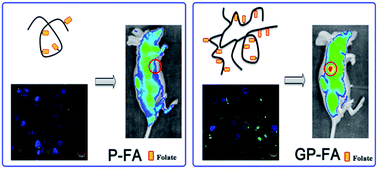
However, the targeting effect of ligand conjugated on polymeric drug carriers is largely determined by their steric accessibility to receptor, which can be influenced by a lot of factors, such as the physiochemical property of the ligand.8,9 In particular, hydrophobic ligand, when conjugated to hydrophilic carriers, encountered the problem of limited exposure, as the ligand was highly likely to be embedded inside the macromolecular carrier.10–12 For example, the folate modified PEG (polyethylene glycol)–epirubicin conjugates showed even less cytotoxicity than the unmodified ones on folate receptor positive cells,11 indicating the hydrophobicity of folates affect their exposure on the surface of polymer and accessibility to receptor. Although increasing the folate content to high level may bring about saturated folate concentration in the hydrophobic core of hydrophilic polymer chain and can increase the amount of folate presented on the surface, this may also even be detrimental to the passive tumor accumulation of the carrier in vivo as the reduced water solubility and accelerated blood clearance.13,14
Another strategy to further increase the in vivo efficacy of polymer–drug conjugates is the synthesis of biodegradable high molecular weight (MW) polymers, such as branched,15 graft,16 and star polymers.17 Since these high MW polymers possess a size larger than the renal threshold, higher tumor accumulation can be achieved via EPR effect as a result of the further reduced renal clearance rate and improved long-circulating property. Besides, compared with linear polymer, these high MW polymers with more complicated hydrophilic structure may alter the steric accessibility of the conjugated ligands to receptor on the cell membrane. Nevertheless, the role of polymer architecture in targeting performance of conjugated ligand has received little attention.
Therefore, with the aim to gain some insight of the influence of hydrophilic polymer structure on the targeting efficiency of the conjugated ligand, we herein for the first time investigated the in vitro and in vivo behaviors of low MW linear polymer and high MW graft polymer, which were both modified with folate, a widely used hydrophobic targeting agent.18,19 Water-soluble N-(2-hydroxypropyl)-methacrylamide (HPMA) polymers were used as the model polymer, which have emerged as one of the most promising drug carriers due to their excellent water solubility and easy modification property.20–23 The cellular internalization and endocytic mechanism on folate receptor overexpressed MCF-7 human breast cancer cell were studied. For in vivo evaluation, the pharmacokinetics and biodistribution following systemic injection were investigated on mice bearing MCF-7 tumor xenografts.
Synthesis and characterization of 3,3′-[4,4′-azobis(4-cyano-4-methyl-1-oxo-butane-4,1-diyl)]bis(thiazolidine-2-thione) (ABIK-TT), N-methacryloyl-glycylglycyl-propargyl (MA-GG-C
CH), 2-(2-pyridyldithio)-ethylamine hydrochloride (PDEA), azido-modified folate are described in ESI.†
Multivalent HPMA polymer precursor containing amino (NH2) groups (P-NH2) was prepared by aminolysis of TT groups of P-TT with high excess ethylenediamine (avoid branching or crosslinking of P-NH2) in methanol as previously described.16 P-TT (500 mg, 0.24 mmol TT) was dissolved in methanol, and 1.5 mmol ethylenediamine (EDA) was added dropwise. After 1 h of stirring, P-NH2 was purified by gel filtration on a Sephadex LH-20 column using methanol as eluent.
Multivalent HPMA polymer precursor containing thiol (SH) reactive groups (P-SH) was prepared by the reaction of amino groups of P-NH2 with 2-iminothiolane in borate buffer.16 For example, under argon atmosphere, P-NH2 (500 mg, 0.21 mmol amino groups) was dissolved in borate buffer (0.1 M sodium tetraborate, pH 9.6; containing reduced glutathione (GSH) (7 mg mL−1) and a solution of 2-iminothiolane hydrochloride (100 mg, 0.65 mmol) in 3 mL of distilled water was added. After 2 h of stirring, P-SH was purified by gel filtration on a Sephadex G-25 column using double distilled water as eluent, and the polymer precursor was isolated by freeze-drying. The presence of GSH under argon atmosphere was to avoid oxidation and branching.
Semitelechelic polymer precursor (SP-TT) containing alkynyl, tert-butoxycarbonyl (Boc)-protected hydrazide groups and polymer chain terminating with thiazolidine-2-thione groups (TT) was prepared by radical solution polymerization according to the established procedures.29 Briefly, HPMA (90 mol%), Ma-ah-NHNH-Boc (5 mol%) and MA-GG-C
CH (5 mol%) were dissolved in DMSO initiated with ABIK-TT (4 wt%). The solution was purged with nitrogen and stirred at 50 °C for 6 h. The polymer was isolated by precipitation into diethyl ether and purified by re-precipitation from methanol into diethyl ether.
Similar procedure was followed to prepare fluorescently labeled semitelechelic polymer precursor (SP-TT-FITC), using HPMA (88 mol%), Ma-ah-NHNH-Boc (5 mol%), MA-AP-FITC (2 mol%) and MA-GG-C
CH (5 mol%).
The 2-pyridyldisulfanyl (PDS)-terminated semitelechelic HPMA polymer (SP-PDS or SP-PDS-FITC) was prepared by the reaction of terminal TT groups of the polymer SP-TT (or SP-TT-FITC) with 2-(2-pyridyldithio)-ethylamine hydrochloride in N,N-dimethylformamide (DMF) as previously described.30 Briefly, SP-TT (500 mg, 0.048 mmol TT) was dissolved in DMF and a solution of PDEA (14 mg, 0.062 mmol) and N-ethyldiisopropylamine (10 μL) in DMF was added. After 3 h of stirring the reaction mixture was diluted with methanol and purified by gel filtration on a Sephadex LH-20 column using methanol as eluent. The polymer fraction was collected and the polymer was isolated by precipitation into ethyl ether.
Folic acid (FA) was attached to SP-PDS (or SP-PDS-FITC) containing nondegradable dipeptide glycylglycine (GG) spacers by click chemistry. Example of reaction, azido-folate and alkyne-modified SP-PDS were dissolved in 10 mM ammonium bicarbonate. Copper sulfate pentahydrate and a freshly prepared sodium ascorbate solution were added, respectively. The mixture was stirred at room temperature for 24 h. The resulting folate-conjugated SP-PDS was purified by gel filtration on a Sephadex G-25 column using double distilled water as eluent. The polymer solution was lyophilized to obtain the yellow product SP-PDS-FA.
To enable comparison of the activity of biodegradable graft HPMA polymer to that of first generation of low MW linear HPMA polymer (P), a polymer with MW lower than 50 kDa was synthesized by radical polymerization in methanol (AIBN, 2 wt%; molar ratio HPMA
:
Ma-ah-NHNH-Boc
:
MA-GG-C
CH 90
:
5
:
5; 50 °C; 24 h) as previously described.27 In addition, P-FA, P-FITC and P-FA-FITC were synthesized as described above.
Similar procedure was followed to prepare non-targeted graft polymer GP (consisted of SP-PDS and P-SH), fluorescently labeled graft polymer GP-FITC (consisted of SP-PDS-FITC and P-SH) and fluorescently labeled folate targeted graft polymer GP-FA-FITC (consisted of SP-PDS-FA-FITC and P-SH).
The near-infrared dye Cy5.5 labeled folate targeted graft polymer (GP-FA-Cy5.5) was synthesized after removing the protective Boc groups from the hydrazides in graft polymer with concentrated trifluoroacetic acid. Then Cy5.5-NHS ester (2 mg, 2.79 μmol) in DMSO was slowly dropped into GP-FA (50 mg) in sodium bicarbonate solution (0.1 M, pH 8.5), and N-ethyldiisopropylamine (10 μL) was added. The reaction was performed at room temperature in the dark overnight. Unreacted Cy5.5 molecules were removed by gel filtration on a Sephadex G-25 column using double distilled water as eluent and the resulting product was lyophilized.
700 L mol−1 cm−1 (methanol). The content of PDS end groups was determined by UV-vis spectroscopy after reaction with dithiothreitol.15 The content of Gly–Gly sequences was determined by amino acid analysis (Commonwealth Biotech, VA, USA). The yield of the conjugation with folate was determined by UV-vis spectroscopy using ε281 = 20
650 L mol−1 cm−1 (0.1 M borate buffer, pH 9.0). The content of amino (NH2) or hydrazide groups was determined by TNBSA assay. The content of SH groups in polymer precursors was determined with Ellman's reagent.31 The content of FITC in polymers was determined by UV-vis spectrometry using ε494 = 80
000 L mol−1 cm−1 (0.1 M borate buffer, pH 9.0). The conjugation ratios of Cy5.5 to polymer was determined by measuring fluorescence intensity (λex = 676 nm, λem = 707 nm) in DMSO.
The MW and polydispersity index (PDI) of polymers were measured on a GPC/HPLC system (Agilent Technologies 1200 series) equipped with refractive index, UV and multiangle light scattering DAWN HELEOS II (Wyatt Technology Co.) detectors using phosphate buffer (pH 7.4) and Superose™ 6 column.
The size distribution [hydrodynamic radius (Rh)] and zeta potential of folate-modified polymers in deionized water (concentration 1 mg mL−1) were measured on a Malvern Zetasize NanoZS90 instrument (Malvern Instruments Ltd., Malvern, UK). The morphologies of P-FA, GP-FA and degradation products of GP-FA were observed by a transmission electron microscopy (FEI Tecnai GF20S-TWIN, USA).
For confocal studies, cells were grown on sterile cover glasses in a 6-well plate at a concentration of 1 × 10⁵ cells per well and incubated for 24 h. The medium was then replaced with medium containing P-FITC, P-FA-FITC, GP-FITC and GP-FA-FITC (0.4 mg polymer mL−1). After 2 h of incubation, cells were washed with PBS, fixed using 4% paraformaldehyde solution in PBS, DAPI stained, and washed again with PBS. The cover glasses were mounted on the glass slides with a drop of anti-fade mounting media and visualized under a confocal laser scanning microscope (LSM 510 DUE, Carl Zeiss, Jena, Germany).
In order to study the possible internalization pathway of low MW linear and high MW graft HPMA polymers on MCF-7 cells. The cells were precultured with clathrin endocytosis inhibitor (30 μM chlorpromazine), caveolae endocytosis inhibitor (5 μM filipin), macropinocytosis inhibitor (60 μM wortmannin, 10 μM rottlerin) and 2 mM folic acid. Alternatively, cells were incubated at 4 °C. After 1 h pretreatment, the cells were re-incubated with P-FITC, P-FA-FITC, GP-FITC and GP-FA-FITC (0.4 mg polymer mL−1) at the same conditions for 2 h. Next, the cells were washed with PBS and then processed for flow cytometry as described above. In addition, the control sample of each group was incubated with indicated polymer solution at 37 °C for 2 h without any treatment. The results of the inhibition tests were presented as the percentage of that internalized in control.
To test the binding efficiency of folate attached to linear and graft HPMA polymers, indirect immunofluorescence by flow cytometry was performed. First, MCF-7 cells were pre-incubated with P, P-FA, GP and GP-FA (0.4 mg polymer mL−1) for 1 h at 37 °C, and then the cells were washed with PBS and gently removed from plates by trypsination. Cells were then resuspended and incubated with primary antibody MAb MOv-18 (dilution = 1
:
20) in a total volume of 80 μL blocking solution at 4 °C in dark for 1.5 h to compete for binding the folate receptor. Then the solution was removed by centrifugation and the cells were washed by cold BSA (3%) containing PBS solution. 100 μL of the FITC-conjugated goat anti-rabbit IgG (H+L) secondary antibody (dilution = 1
:
40) in PBS was added and further incubated for 30 min. Next, cells were washed with PBS and then processed for flow cytometric analysis immediately.
To compare the tissue and tumor distributions of the polymers, after 48 h post-injection of P-Cy5.5, P-FA-Cy5.5, GP-Cy5.5 and GP-FA-Cy5.5 (equivalent to 1.5 mg kg−1 Cy5.5), the mice were sacrificed (n = 3). The major organs including heart, lung, liver, kidneys, brain, spleen and tumor were dissected, which were then washed with normal saline and imaged immediately for semiquantitative analysis by an in vivo imaging system as mentioned above.
| Polymer | MW (kDa) | PDI | Reactive group (mmol g−1 polymer) | FITC content (mmol g−1 polymer) | Folate content (mmol g−1 polymer) | Cy5.5 content (wt%) |
|---|---|---|---|---|---|---|
| SP-TT | 29.4 | 1.54 | TT (0.096) | — | — | — |
| SP-TT-FITC | 32.2 | 1.67 | TT (0.091) | 0.073 | — | — |
| SP-PDS | 30.7 | 1.62 | PDS (0.077) | — | — | — |
| SP-PDS-FITC | 33.6 | 1.86 | PDS (0.073) | 0.071 | — | — |
| SP-PDS-FA | 32.5 | 1.75 | PDS (0.071) | — | 0.18 | — |
| SP-PDS-FA-FITC | 35.4 | 1.84 | PDS (0.069) | 0.069 | 0.16 | — |
| P-TT | 20.1 | 1.26 | TT (0.48) | — | — | — |
| P-NH2 | 18.9 | 1.32 | NH2 (0.42) | — | — | — |
| P-SH | 18.5 | 1.47 | SH (0.35) | — | — | — |
| P | 25.7 | 1.81 | — | — | — | — |
| P-FITC | 24.5 | 1.77 | — | 0.075 | — | — |
| P-FA | 27.3 | 1.86 | — | — | 0.19 | — |
| P-FA-FITC | 27.9 | 1.95 | — | 0.073 | 0.18 | — |
| P-Cy5.5 | 24.8 | 1.83 | — | — | — | 2.8 |
| P-FA-Cy5.5 | 27.6 | 1.92 | — | — | 0.17 | 2.7 |
| GP | 106.6 | 2.74 | — | — | — | — |
| GP-FITC | 112.5 | 2.86 | — | 0.049 | — | — |
| GP-FA | 117.4 | 3.06 | — | — | 0.11 | — |
| GP-FITC-FA | 119.7 | 3.35 | — | 0.052 | 0.12 | — |
| GP-Cy5.5 | 107.3 | 2.79 | — | — | — | 2.6 |
| GP-FA-Cy5.5 | 117.6 | 3.13 | — | — | 0.11 | 2.8 |
Due to the difficulty of direct synthesis of polymerizable oligopeptide containing thiol group monomers, the multivalent polymer precursor with thiol groups randomly distributed along the polymer chain (P-SH) was prepared in three steps. Firstly, the polymer precursor (P-TT) was synthesized by using a polymerizable oligopeptide containing TT reactive group monomer (MA-GFLG-TT). The molar ratio of monomers used for polymerization in the main polymer chain P-TT was HPMA
:
Ma-ah-NHNH-Boc
:
MA-GFLG-TT = 85
:
5
:
10. The high content of HPMA in the polymers (>80 mol%) would guarantee the water-solubility and biocompatibility of the carriers.34 MA-GFLG-TT content was determined from the amount of TT groups and the content was 0.48 mmol g−1 polymer. The content of Ma-ah-NHNH-Boc was 4.12 mol%. In contrast to routinely used polymer precursor bearing 4-nitrophenyl ester groups (ONp) in the side chains, thiazolidine-2-thione reactive groups (TT) were introduced in this study, which associated with a higher rate of aminolysis and a much slower rate of hydrolysis during aminolysis performed in aqueous medium.28 Then polymer precursor bearing reactive amino groups (P-NH2, amimo content = 0.42 mmol g−1 polymer) was synthesized by aminolysis of the TT groups with ethylenediamine (EDA) since the primary amino groups of P-NH2 were essential to generate thiol groups. Accordingly, polymer precursor bearing reactive thiol groups (P-SH, thiol content = 0.35 mmol g−1 polymer) was prepared by the reaction of P-NH2 with 2-iminothiolane (a thiolating reagent for primary amines). The thiol reactive groups of P-SH could react with pyridyldisulfanyl (PDS) reactive groups of semitelechelic polymer SP-PDS to form graft polymer via both enzymatically degradable and reductively degradable linkage GFLG-S-S.
Meanwhile, PDS-terminated semitelechelic HPMA polymer precursor (SP-PDS) was synthesized according to Fig. 1. In the first step, solution radical polymerization of HPMA with respective monomers was initiated with ABIK-TT. This bifunctional azoinitiator, which contained reactive TT groups, was used for the synthesis of semitelechelic HPMA polymer terminating with TT groups (SP-TT).29 The molar ratio of monomers used for polymerization in the semitelechelic polymer precursor SP-TT was HPMA
:
Ma-ah-NHNH-Boc
:
MA-GG-C
CH = 90
:
5
:
5. The content of Ma-ah-NHNH-Boc was 4.16 mol%. MA-GG-C
CH content was determined from the amount of GG sequences and the content was 4.35 mol%. Secondly, the semitelechelic polymer bearing an end-chain reactive PDS groups (SP-PDS, PDS content = 0.077 mmol g−1 polymer) was prepared by aminolysis of SP-TT with 2-(2-pyridyldisulfanyl)-ethylamine hydrochloride (PDEA). The end-chain reactive PDS groups served to graft onto the thiol reactive groups of P-SH.
In terms of ligand decoration, in most cases the strategy for polymer–ligand conjugate synthesis is based on aminolysis of a polymer precursor bearing reactive esters (ONp or TT) in the side chains with amino group of ligand. However, in this case, as reactive TT groups already existed on the terminal of semitelechelic HPMA polymer precursor (SP-TT), the introduction of reactive esters in the side chains of SP-TT for the attachment of folate might give rise to the cross-reaction of PDEA. To ensure feasibility of folate conjugation, “click chemistry” was brought in, instead of traditional amine-carboxyl reaction. Click chemistry with its unique features such as high aqueous competency and chemical orthogonality, has emerged as a burgeoning strategy for the development of surface-engineered polymers and nanoparticles with high selectivity and efficiency.35 Considering significant loss of azide moiety in polymerization of various monomer,36 alkyne modified monomer MA-GG-C
CH was selected to “click” with azide-modified folate. As shown in Table 1, the MW of all the polymer precursors were under the renal threshold, which was a prerequisite for subsequent elimination of the polymers from the body.
Ultimately, the folate-conjugated graft polymers (GP-FA) were prepared by grafting folate-modified PDS-terminated semitelechelic polymers (SP-PDS-FA) onto the main polymer chain of P-SH with thiol reactive groups randomly distributed along the polymer chain via both reductively degradable disulfide bonds and enzymatically degradable oligopeptide glycylphenylalanylleucylglycine sequence (GFLG-S-S, Fig. 1). The free hydrazide groups were deprotected of Boc-hydrazides for the attachment of Cy5.5. Table 1 showed the MW of the graft polymers was approximately 110 kDa, indicating that, on average, three semitelechelic polymer chains (MW: 20–30 kDa) were attached to the main HPMA polymer chain. The polydispersity of the graft polymers was higher than that of the linear polymer, but was significantly narrower than that of the previously reported branched high MW HPMA polymers.15
The increased MW by grafting several semitelechelic HPMA polymer chains and modification of negatively charged folate ligand may trigger changes in architecture and potential of graft polymer. As confirmed in Fig. 2A, the hydrodynamic radius (Rh) of the high MW graft polymer coil in aqueous solution was 16.1 nm with the zeta potential of −7.2 mV, which was 3 times larger than that of low MW linear polymers (5.6 nm) with the zeta potential of 1.5 mV. TEM results also showed that Rh of GP-FA coil was larger than that of P-FA, which was consistent with Rh obtained by DLS (Fig. 3C). This was the prerequisite for the enhanced tumor accumulation of polymers due to the more pronounced EPR effect.
Polymer carriers with MW above the renal threshold (∼50 kDa) will deposit in normal organs and impair biocompatibility,23 hence, the biodegradation of polymers to smaller fragments is imperative. Herein, we studied the in vitro degradation of graft polymers. The reductive degradation of disulfide bonds (S–S) of polymers by intracellular glutathione (GSH) has been widely investigated.37 GSH is a thiol-containing tripeptide and could reduce disulfide bonds in the cytoplasm. The intracellular concentration of GSH was known to be substantially higher than that in the cell exterior. Also, an elevated intracellular GSH level has been reported in many human tumor cell lines.38 Meanwhile, an optimal structure of enzyme sensitive oligopeptide (glycylphenylalanylleucylglycine, GFLG) spacer, which is stable in blood and intracellularly degradable,39 was widely used for drug conjugation in HPMA polymers. Above all, in the present study, the combined application of GFLG-S-S was selected as the spacer to link the HPMA precursors, which guarantees the stability of high MW folate-conjugated graft polymers during transport and enable their intracellular degradation to short polymer fragments allowing safe elimination from body, e.g. by glomerular filtration.
To test the degradability of folate-conjugated graft polymer, GP-FA was incubated in phosphate buffer (pH 6.0) containing both lysosomal cysteine protease papain (which cleaves GFLG linkages)40 and GSH (modeling cytosolic environment) to simulate the intracellular environment. As expected, within 3 h of incubation, GP-FA was completely degraded to polymer fragments with MW (∼42 kDa) below the renal threshold (∼50 kDa) (Fig. 2B). Then the polymer fragments kept on degradation to an analogous MW of 30.7 kDa with the control sample (PDS-terminated semitelechelic HPMA polymer SP-PDS) at 6 h. The MW of degradation product at 8 h was smaller than that of P-SH (18.5 kDa). TEM images showed that Rh of degradation products of GP-FA was decreased in comparison with GP-FA in line with GPC profiles (Fig. 3C). This demonstrated the ability of GP-FA to be degraded to the polymer fragments below the renal threshold after being internalized by tumor cells and capable of being excreted from body by glomerular filtration. The degradation rate of GP was comparable with GP-FA (Fig. S5†), indicating that incorporation of folate to graft polymers did not result in alteration of their degradation rate.
In summary, the high MW was obtained by graft polymers GP-FA (117.4 kDa) compared with low MW linear polymers P-FA (27.3 kDa). In addition, GP-FA could be degraded into smaller fragments in the tumor cells, thus reducing the potential toxicity of the carrier.
As shown in Fig. 3A, the uptake of all polymers was concentration-dependent (from 0.2 mg polymer mL−1 to 0.8 mg polymer mL−1). Significantly higher fluorescence intensity (∼2-fold) was observed on GP-FA group, compared to P, P-FA and GP (p < 0.01). Besides, the intracellular internalization of all polymers elevated with prolonged incubation time (1 h to 3 h, Fig. 3B). In agreement with the results of flow cytometry, confocal images also exhibited the highest uptake of GP-FA compared with other test polymers (Fig. 3C). It was interesting that no significant difference was observed between the uptake of P and GP, demonstrating that the different MW (24.5 kDa to 119.7 kDa) has no effect on the cell internalization of non-targeted HPMA polymers. Conversely, different phenomenon was observed for folate modified polymers. For low MW linear polymers, P-FA showed comparable internalization with P while graft GP-FA exhibited significantly higher uptake over GP (2-fold higher). Inaccessibility to folate receptor by hydrophobic folate buried inside the hydrophilic linear polymer chains may possibly be responsible for the lack of targeting efficiency of P-FA. This is supported by several reports that used different drug carriers (e.g., PEG polymers11 and PLGA nanoparticles12). Although the negatively charged particles could minimize the cell uptake due to the charge repulsion, GP-FA (−7.2 mV) still exhibited enhanced intracellular internalization in comparison with neutral charge of P-FA (1.5 mV). This may attribute to the higher exposure of negatively charged folate on the surface of GP-FA can overcome the negative impact of its negative charge, and contribute to the increased internalization via folate receptor-mediated endocytosis.
In order to study the possible internalization pathway of folate modified low MW linear and high MW graft HPMA polymers on MCF-7 cells. Then the cellular uptake mechanisms of linear and graft polymers were investigated under different conditions. To verify the specific role of folate, the effects of free folate on the uptake of the polymers were investigated. As shown in Fig. 4C, a more remarkable decrease was observed for GP-FA (∼38%), while the other test samples including folate modified linear polymers (P-FA) remained uninfluenced after co-incubation with free folate (p < 0.01), suggesting that the internalization of GP-FA in MCF-7 cells indeed involved folate receptor-mediated endocytosis. When the experiments were performed at 4 °C, all polymers exhibited a very low uptake level (∼70%, p < 0.01). These results clearly underlined that all the test samples enter the cells following an energy-dependent endocytosis. Caveolae-mediated endocytosis is an important pathway for cellular internalization of drugs, which can be selectively inhibited by filipin through cholesterol sequestration.41 The cellular uptake of GP-FA was inhibited approximately 30% by filipin, in line with some folate modified drug delivery systems that were mainly uptaken by caveolae-mediated endocytosis.42 A significant inhibition (∼27%, p < 0.05) of P-FA, GP and GP-FA was observed when cells were pretreated with chlorpromazine, which can block clathrin-mediated endocytosis by disruption of clathrin and other relative proteins expressed on cell membrane,43 suggesting the involvement of clathrin-mediated endocytosis. To investigate whether the macropinocytosis was involved in the internalization pathways of graft and linear polymers, wortmannin and rottlerin were used as chemical inhibitors. The former could inhibit phosphatidylinositol-3-kinase (PI3K) during the subpathway of macropinocytosis44 while the latter is a novel macropinocytosis inhibitor through inhibiting protein kinase C irreversibly and selectively.45 As shown in Fig. 4C, no significant decrease of cellular uptake was observed for all test polymers after incubation with wortmannin while apparent decreased intracellular internalization occurred with the treatment of rottlerin, indicating the protein kinase C mediated pathway was more involved in macropinocytosis rather than PI3K-mediated pathway. Notably, more significantly decreased intracellular fluorescence intensity was detected in GP and GP-FA groups (∼35%, p < 0.01) by rottlerin. As mentioned above, the Rh of graft HPMA polymers (16.1 nm) was much higher than that of linear one (5.6 nm). To some degree, the larger size of graft polymer coil might result in more cellular uptake by macropinocytosis with the aid of protein kinase C.
Then the binding affinity of folate attached to the linear and graft polymers were also investigated. As shown in Fig. 5, the primary antibody alone bound to 98.1% of tested cells, leading to the strongest fluorescence (10.67), while the percentage of antibody-bounded cell significantly decreased to 3.5% with the addition of free folate, demonstrating the competitive binding of free folate to folate-receptor positive MCF-7 cells. Notably, compared with P-FA, the fluorescence intensity of secondary antibody reduced significantly from 9.26 to 2.67 after the incubation with GP-FA (p < 0.01), thus confirming that the folate binding affinity of graft polymers was enlarged in competition with that of linear polymers.
These results implied that folate receptor-mediated endocytosis, energy-dependent endocytosis, caveolae-mediated endocytosis, clathrin-mediated endocytosis and protein kinase C-mediated macropinocytosis were vigorously engaged in the internalization pathways of GP-FA, indicating that relatively high contribution of each pathways results in overall the highest uptake.
![]() | ||
| Fig. 6 Cell viability of MCF-7 cells after 48 h of incubation with various concentrations of P, P-FA, GP and GP-FA. Data are presented as the mean ± SD (n = 3). | ||
The blood (fluorescence) activity–time profiles in SD rats after intravenous injection of near-infrared dye (Cy5.5)-labeled polymers (P, P-FA, GP and GP-FA) are presented in Fig. 7. The blood levels of low MW linear polymers (P and P-FA) fell rapidly to nearly 25% of the injected dose within 3 h post-injection, whereas prolonged blood residence time of high MW graft polymers (GP and GP-FA) were observed, thus demonstrating the MW dominated the circulation time of drug carriers, rather than ligand modification. Pharmacokinetic parameters, which were estimated by noncompartmental analysis of the blood concentration (%ID per mL), were summarized in Table 2. The biological half-life (t1/2) of GP and GP-FA (21.28 h and 19.14 h) were higher than that of P and P-FA (7.65 h and 9.08 h). High MW polymers had significantly higher area under the blood concentration time curve (AUC) in comparison to P and P-FA (p < 0.01). In addition, the mean systemic clearance (CL) was significantly lower in GP as compared to P (0.084 mL h−1 vs. 0.23 mL h−1, p < 0.01), as well as the mean residence time (MRT) of GP was also significantly longer than that of P (28.98 h vs. 10.56 h, p < 0.01). As a consequence, graft polymers with relatively high MW were eliminated more slowly from the blood than P and P-FA with low MW, demonstrating that increased MW can prolong blood circulation time in vivo.
| Polymer | t1/2 (h) | AUC0–∞ (%ID h mL−1) | CL (mL h−1) | MRT (h) |
|---|---|---|---|---|
| a Data are presented as mean ± SD (n = 5, *p < 0.05 vs. P-FA, #p < 0.01 vs. GP, △p < 0.05,&p < 0.01 vs. GP-FA). | ||||
| P | 7.65 ± 1.01#& | 403.47 ± 28.44*#& | 0.23 ± 0.03*#& | 10.56 ± 1.92#& |
| P-FA | 9.08 ± 1.37#& | 508.54 ± 43.41#& | 0.18 ± 0.02#& | 11.42 ± 1.42#& |
| GP | 21.28 ± 3.27 | 1516.77 ± 52.33△ | 0.084 ± 0.01 | 28.96 ± 3.78 |
| GP-FA | 19.14 ± 2.45 | 1201.45 ± 64.78 | 0.12 ± 0.02 | 27.37 ± 2.59 |
The t1/2 and MRT of folate targeted polymers were not significantly different from non-targeted polymers. Nevertheless, the CL of P was significantly higher than P-FA (0.23 mL h−1 vs. 0.18 mL h−1, p < 0.05). The negative surface charge of P (−10.7 mV) may contribute to its fast elimination from blood circulation in comparison to near neutral P-FA (1.5 mV).23 Last but not least, the higher exposure level of folate on graft polymers (GP-FA) caused slight increased blood clearance. The decreased water solubility of the polymers and promoted recognition by macrophages might probably account for this limitation.13 Even so, the blood circulation time of GP-FA was still much longer than that of P and P-FA.
At 48 hours after injection, mice were sacrificed. The major organs including heart, liver, spleen, lung, kidneys, brain and tumor were collected, and all tissues were analyzed by fluorescence imaging (Fig. 8B). Stronger fluorescence intensity in tumor and kidney was observed for GP-FA than other test polymers. As shown in Fig. 8C, the fluorescence intensity of tumor tissue of GP-FA was significantly higher than all organs except kidneys. Furthermore, when P was taken as control, the increased amount of tumor intensity achieved by GP-FA (21-fold) was even higher than total increased amount achieved by GP (10.6-fold) plus P-FA (2.7-fold), suggesting that the enhancement of tumor accumulation by GP-FA was the result of the synergistic effect of high MW and folate conjugation. In spite of the resemblant cellular internalization of folate-modified linear polymer P-FA and non-modified P, P-FA exhibited higher tumor accumulation, in line with the lower CL of P-FA (Table 2). Taken together, based on the more pronounced EPR effect caused by high MW of graft HPMA polymers, the folate targeted system could accumulate more efficiently into tumor tissue, resulting in excellent in vivo tumor targeting of GP-FA. This phenomenon might be attributed to the lengthened circulation lifetime of graft polymers, which can drive its blood circulation, extravasation and accumulation in tumors. Alternatively, active targeting of folate attempts to enhance the retention and specificity of passive polymer delivery systems after their tumor arrival.
Most notably, the kidney accumulation was significantly higher for all polymers at 48 h compared with other organs, suggesting that the polymers could still be excreted via renal filtration.47 It should be also noted that the average fluorescence of GP and GP-FA in the liver was higher than that of P and P-FA (p < 0.05), which might be attributed to the enlarged hydrodynamic radius. Increased MW of polymer carriers may contribute to augmented capture by macrophages of the reticuloendothelial system. Nevertheless, there was still a remarkable increase in tumor accumulation achieved by GP-FA, indicating the folate decoration of graft HPMA polymer is an effective strategy for tumor targeting rather than modification of linear polymer.
Footnote |
| † Electronic supplementary information (ESI) available. See DOI: 10.1039/c4ra16085a |
| This journal is © The Royal Society of Chemistry 2015 |