


Hass avocado modulates postprandial vascular reactivity and postprandial inflammatory responses to a hamburger meal in healthy volunteers
Abstract
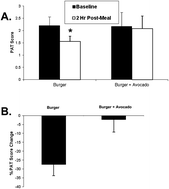
Hass avocados are rich in monounsaturated fatty acids (oleic acid) and antioxidants (carotenoids, tocopherols, polyphenols) and are often eaten as a slice in a sandwich containing hamburger or other meats. Hamburger meat forms lipid peroxides during cooking. After ingestion, the stomach functions as a bioreactor generating additional lipid peroxides and this process can be inhibited when antioxidants are ingested together with the meat. The present pilot study was conducted to investigate the postprandial effect of the addition of 68 g of avocado to a hamburger on vasodilation and inflammation. Eleven healthy subjects on two separate occasions consumed either a 250 g hamburger patty alone (ca. 436 cal and 25 g fat) or together with 68 grams of avocado flesh (an additional 114 cal and 11 g of fat for a total of 550 cal and 36 g fat), a common culinary combination, to assess effects on vascular health. Using the standard peripheral arterial tonometry (PAT) method to calculate the PAT index, we observed significant vasoconstriction 2 hours following hamburger ingestion (2.19 ± 0.36 vs. 1.56 ± 0.21, p = 0.0007), which did not occur when the avocado flesh was ingested together with the burger (2.17 ± 0.57 vs. 2.08 ± 0.51, NS p = 0.68). Peripheral blood mononuclear cells were isolated from postprandial blood samples and the Ikappa-B alpha (IκBα) protein concentration was determined to assess effects on inflammation. At 3 hours, there was a significant preservation of IκBα (131% vs. 58%, p = 0.03) when avocado was consumed with the meat compared to meat alone, consistent with reduced activation of the NF-kappa B (NFκB) inflammatory pathway. IL-6 increased significantly at 4 hours in postprandial serum after consumption of the hamburger, but no change was observed when avocado was added. Postprandial serum triglyceride concentration increased, but did not further increase when avocado was ingested with the burger compared to burger alone despite the added fat and calories from the avocado. These observations are suggestive of beneficial anti-inflammatory and vascular health effects of ingesting added Hass avocado with a hamburger patty.
 Please wait while we load your content...


