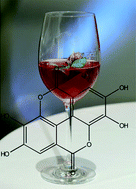
Moderate red wine consumption has been correlated with lower incidences of cardiovascular diseases, inflammation, and metabolic diseases such as type 2 diabetes, obesity, and high blood pressure. We studied binding of ligands from different wines to the peroxisome proliferator-activated receptor γ (PPARγ), a key factor in glucose and lipid metabolism. Ellagic acid and epicatechin gallate (ECG) were identified by gas chromatography and mass spectroscopy in the most active wine fractions. They had an affinity to PPARγ similar to that of the standard pharmaceutical agent rosiglitazone, which is used for the treatment of type 2 diabetes. The IC50 values of ellagic acid and ECG were 5.7 × 10⁻⁷ M and 5.9 × 10⁻⁷ M, respectively. All of the red wines had affinities for PPARγ equivalent to concentrations of rosiglitazone ranging from 52–521 μM. One hundred milliliters of the tested red wines was equivalent to approximately 1.8–18 mg of rosiglitazone. This volume contained an activity equivalent of at least a quarter of (and up to four times) the daily dose of this potent anti-diabetes drug. The ameliorating effects of red wine on metabolic diseases may be partially explained by the presence of PPARγ ligands.
You have access to this article
 Please wait while we load your content...
Something went wrong. Try again?
Please wait while we load your content...
Something went wrong. Try again?