


The effects of phenolic acid supplementation on intestinal barrier function: a review
 *a
*a
Abstract
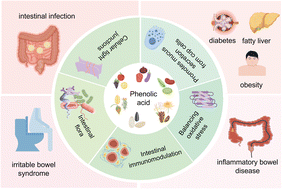
The intestinal barrier is critically implicated in the pathogenesis of diverse diseases, and its impairment constitutes a common pathological hallmark across numerous conditions. Therefore, restoring intestinal barrier function is a key therapeutic strategy for mitigating or treating associated diseases. Phenolic acid compounds, secondary metabolites derived from plants, exhibit diverse pharmacological properties, including anti-inflammatory, antioxidant, and antibacterial activities. This review summarizes the sources, absorption, and metabolic pathways of phenolic acids, delving into their mechanisms for maintaining intestinal barrier integrity. Key mechanisms encompass the upregulation of tight junction protein expression, modulation of mucus secretion, inhibition of oxidative stress and inflammatory responses, and regulation of gut microbiota composition. Furthermore, we summarize the therapeutic potential of phenolic acid compounds in treating diseases associated with intestinal barrier dysfunction, discuss their clinical applications and safety profiles, and critically evaluate challenges in clinical translation. This review aims to provide a scientific foundation for the potential therapeutic application of phenolic acid compounds. However, their definitive clinical value necessitates further validation through rigorous clinical trials.
 Please wait while we load your content...


