


Dual-functional 3D-printed hydrogels for pH-responsive wound monitoring and on-demand therapy

Abstract
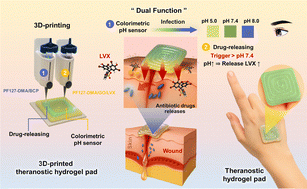
The rapid and personalized management of wound infections remains a significant clinical challenge. This study addresses this need by developing a smart, dual-nozzle 3D-printed theranostic hydrogel pad for on-demand wound care. The platform is based on a tailor-made Pluronic F127-dimethacrylate (PF127-DMA) hydrogel, synthesized to provide optimal printability and dual-functionality. This enables the simultaneous extrusion of two distinct bioinks: a diagnostic ink containing bromocresol purple for pH sensing and a therapeutic ink loaded with graphene oxide (GO) and the antibiotic levofloxacin. The fabricated construct acts as an intelligent wound dressing, providing a distinct visual colorimetric response to differentiate healthy skin pH (4.0–6.0) from pathogenic, alkaline infection conditions (pH 7.4–8.0). Simultaneously, the system provides pH-responsive controlled drug release, with a significantly enhanced cumulative levofloxacin release of 171.68 ± 1.59 µg at pH 8.0 compared to 134.34 ± 1.46 µg at pH 7.4, demonstrating its ability for infection-triggered therapy. The incorporation of graphene oxide was found to critically improve drug release kinetics and promote intramatrix accumulation. Furthermore, in vitro MTT assays confirmed the high biocompatibility of the hydrogel platform. By integrating real-time visual monitoring with controlled antimicrobial release, this 3D-printed theranostic system presents a promising and scalable strategy for advanced wound management.
 Please wait while we load your content...


