


 PLATFORM UPDATE:

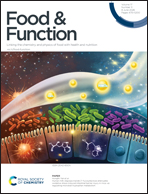
Dietary chlorogenic acid improves lipid metabolism through modulation of the gut–liver microbiota axis in hyperlipidemic mice
 ab
ab
Abstract
In this study, the protective mechanisms of chlorogenic acid (CGA) supplementation against high-fat diet-induced hyperlipidaemia and glucose dysregulation were investigated using an integrated multi-omics approach in C57BL/6J mice, encompassing serum biochemistry, targeted hepatic gene expression, gut microbiome profiling, and untargeted metabolomics of gut and liver tissues, complemented by molecular docking analysis. CGA supplementation significantly reduced serum total cholesterol, triglycerides, and low-density lipoprotein cholesterol, attenuated hepatic lipid accumulation, and improved glucose handling through downregulation of lipid metabolism-related genes (LOX, CPTP, FABP4, and LPCAT3) and concurrent activation of IRS1 signaling and modulation of CD36-mediated lipid uptake. At the microbial level, CGA markedly reshaped gut microbial composition by enriching Lactobacillus, Ligilactobacillus, and Bacteroides, while restoring key gut metabolites involved in lipid and glucose regulation, including L-glutathione, chenodeoxycholic acid glycine conjugate, N-acetylaspartic acid, and N-acetylcysteine. Liver metabolomic profiling further revealed elevated levels of lithocholic acid, L-proline, and 4-methylcatechol, metabolites associated with enhanced energy metabolism and ferroptosis resistance. Integrative correlation analysis identified a coordinated Lactobacillus–4-methylcatechol–glycerophospholipid metabolism axis as a central mechanistic signature underlying CGA-mediated metabolic improvement. Collectively, these findings demonstrate that CGA exerts pronounced anti-hyperlipidaemic and glucose-regulatory effects by simultaneously restoring gut microbial balance, remodelling host metabolite networks, and activating IRS1/CD36 signalling pathways, supporting its potential as a promising dietary intervention for the prevention and management of metabolic disorders.

 Please wait while we load your content...


