


 PLATFORM UPDATE:

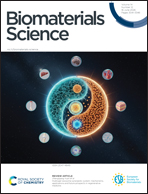
Tunable bio-inspired hybrid hydrogels reprogram stem cell-derived extracellular vesicles for superior wound regeneration
Abstract
Clinical translation of adipose-derived stem cell (ADSC)-derived extracellular vesicles (EVs) for cutaneous regeneration is challenged by variable secretion levels, heterogeneous molecular cargo, and inconsistent therapeutic potency. Here, we developed a mechanically tunable and biomolecularly instructive photocurable hybrid hydrogel (GelMA/HAMA/PEGDA) that serves both as a 3D culture microenvironment for ADSCs and as an EV-delivery scaffold. Systematic screening of PEGDA-controlled crosslinking identified GH11P (97% [15% GelMA:1% HAMA = 1:1 (v/v)] + 3% PEGDA) as a formulation with balanced stiffness, controlled degradation, and cytocompatibility, supporting EV production under 3D culture. Multi-omics profiling suggested that EVs produced in this 3D matrix (3D-hcEVs) exhibit regenerative-associated signatures, including ECM-integrin interactions, focal adhesion-related pathways, PI3K-AKT signaling, and a keratin-enriched proteomic signature compared with dish-cultured EVs (dcEVs). Additional in vitro validation showed that 3D-hcEVs enhanced HaCaT migration and more strongly increased p-AKT/AKT than dcEVs at 30 and 60 min. An NTA-based in vitro release assay further demonstrated partial, sustained EV release from GH11P over 7 days. In a full-thickness dorsal wound model, GH11P scaffolds loaded with 3D-hcEVs accelerated wound closure compared with dcEV-loaded scaffolds and hydrogel-only controls. Histological analyses further indicated improved tissue regeneration features, including enhanced re-epithelialization, epidermal stratification, collagen organization, increased CD31⁺ neovascularization, and reduced CD68⁺ macrophage infiltration. Collectively, these results support the feasibility of a tunable hydrogel platform that integrates mechanical and biomolecular microenvironmental cues to modulate EV-associated molecular signatures and evaluate EV delivery for cutaneous wound repair.
 Please wait while we load your content...


