


 PLATFORM UPDATE:


Anti-inflammatory and tissue regeneration effects of a chlorogenic acid/hyaluronic acid hydrogel on methicillin-resistant Staphylococcus aureus-infected diabetic wounds
 *a
*a
Abstract
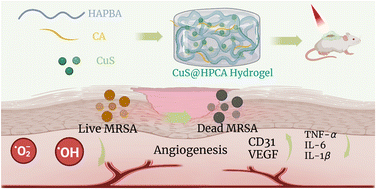
Infections triggered by bacteria in diabetic wounds continue to pose a significant challenge, primarily due to the inflammatory microenvironment induced by high glucose levels, which favor bacterial growth. Hence, developing dressings tailored for diabetic wound treatment has become particularly crucial. Here, we prepared a composite hydrogel derived from natural polymers as a wound dressing. This composite hydrogel was fabricated by the cross-linking of hyaluronic acid (HA) grafted with chlorogenic acid (CA) and phenylboronic acid (PBA) and the incorporation of copper sulfide nanoparticles (CuS NPs). The hydrogels exhibited adequate adhesive properties and self-healing capabilities. By releasing the natural polyphenol CA, the hydrogel showed promising antioxidant performance, excellent promotion of cell proliferation, and angiogenesis properties, thereby effectively promoting tissue repair. The treatment on an in vivo diabetes wound model indicated that the dressing contributed to wound closure, re-epithelialization, collagen deposition, and the downregulation of inflammatory factors. This multifunctional hydrogel presented a potent strategy for managing infected diabetic wounds and showed significant promise for clinical translation.
 Please wait while we load your content...


