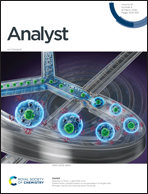
Microplastic detection and recognition system enabled by a triboelectric nanogenerator and machine learning techniques

Abstract

The toxicity of microplastic pollutants is closely associated with their material, size, and concentration. However, current detection methods are plagued by issues such as high cost, long processing times, and inadequate database coverage. Therefore, this study designed and developed a simple and rapid detection and identification device for microplastics in water, based on the combination of liquid–solid contact electrification and machine learning algorithms. The study shows that the average open-circuit voltage difference among different types of microplastics ranges from 1.6 V to 11.7 V, and the average peak open-circuit voltage difference ranges from 1.7 V to 22.0 V; the Random Forest (RF) model achieved an average recognition accuracy of 95.24%. This work provides a new method for real-time online monitoring of microplastics, which holds significant implications for the environmental monitoring, food safety, medical and health fields.

Graphical abstract: Microplastic detection and recognition system enabled by a triboelectric nanogenerator and machine learning techniques

Supplementary files

Transparent peer review

To support increased transparency, we offer authors the option to publish the peer review history alongside their article.

View this article’s peer review history

Article information

Article type
Paper
Submitted
06 Jan 2026
Accepted
09 Feb 2026
First published
10 Feb 2026

Analyst, 2026, Advance Article

Microplastic detection and recognition system enabled by a triboelectric nanogenerator and machine learning techniques

P. Liu, W. Long, Z. Zhang, B. Li and X. Jia, Analyst, 2026, Advance Article , DOI: 10.1039/D6AN00014B

To request permission to reproduce material from this article, please go to the Copyright Clearance Center request page.

If you are an author contributing to an RSC publication, you do not need to request permission provided correct acknowledgement is given.

If you are the author of this article, you do not need to request permission to reproduce figures and diagrams provided correct acknowledgement is given. If you want to reproduce the whole article in a third-party publication (excluding your thesis/dissertation for which permission is not required) please go to the Copyright Clearance Center request page.

Read more about how to correctly acknowledge RSC content.

Social activity

Spotlight

Advertisements