


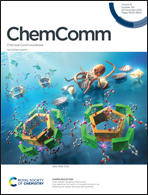
Bridging Innovation and Sustainability: The Rise of Porous Frameworks in Sodium-Ion Batteries
Abstract
The rising demand for sustainable and scalable energy storage systems has positioned sodium-ion batteries (SIBs) as promising alternatives to lithium-ion batteries (LIBs), due to the earth-abundant, low cost, and favourable redox potential of sodium. Even though sodium has an intrinsically larger ionic radius and sluggish diffusion kinetics pose significant limitations, including severe volume fluctuations and poor long-term cyclability in conventional electrode chemistries. This review provides a critical analysis of advanced porous frameworks, including metal-organic frameworks (MOFs), covalent organic frameworks (COFs), porous organic polymers (POPs), porous organic hybrids (POHs), and other emerging systems that have developed as compelling solutions to overcome these intrinsic drawbacks. These porous systems provide highly tunable architectures with controllable porosity, chemical functionality, and abundant active sites, offering a promising platform for achieving high specific capacity, enhanced ion transport, and mechanical accommodation of volumetric changes. A discussion is also presented on their structural merits, electrochemical performances and synthesis strategies, along with a comparison of limitations and challenges. Finally, emerging approaches like hierarchical porosity, vacancy engineering and solid-state integration are highlighted as pathways to enhance performance and guide the development of next-generation sodium-based energy storage systems.
 Please wait while we load your content...


