


 PLATFORM UPDATE:


Hypoglycemic effects under in vitro digestion of brewer's spent yeast β-glucan concentrate added to a rice extrudate

Abstract
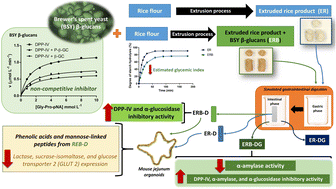
This study aimed to evaluate the potential hypoglycemic properties of brewer's spent yeast β-glucan concentrate (β-GC) through the study of its inhibitory effect on dipeptidyl peptidase IV (DPP-IV), α-amylase, and α-glucosidase enzymes either alone or incorporated into an extruded rice product subjected to simulated gastrointestinal digestion. Moreover, the hypoglycemic effect on 2D mouse jejunal organoids of bioaccessible compounds from extruded rice products to which are added β-glucans was studied. The β-GC showed DPP-IV, α-amylase, and α-glucosidase inhibitory activities increased by the presence of peptides and phenolic acids. The kinetic analysis of α-amylase and DPP-IV inhibition showed that β-GC inhibited these enzymes in a non-competitive mode, while for α-glucosidase, it was competitive. Extruded product with β-GC (ERB) showed a lower degree of starch hydrolysis than that observed for extruded rice (ER). The estimated glycemic index value for ERB was 12% lower than that found for ER (61.2 ± 0.2 vs. 69.5 ± 0.1%, respectively). The ERB-digested products had lower IC50 values for α-amylase, α-glucosidase, and DPP-IV enzymes than those of β-GC, indicating a hypoglycemic-promoting effect on the food matrix, which was associated with the release of phenolic acids and bioactive peptides during in vitro digestion. Moreover, phenolic acids and mannose-linked peptides dialyzed from ERB enhanced the hypoglycemic properties of β-glucan through the inhibition of α-glucosidase and DPP-IV enzymes and the reduction of lactase, sucrose-isomaltase, and glucose transporter 2-gene expression in organoids, which confirmed their hypoglycemic properties.
 Please wait while we load your content...


