


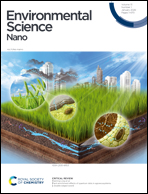
Nanotechnology-based strategies for sustainable management of bacterial plant diseases: mechanisms, applications, and future directions
 *a
*a
Abstract
Bacterial plant diseases remain a major constraint to global agriculture, threatening food security through yield losses, quality reduction, and increased production costs. Conventional chemical bactericides are becoming less effective due to pathogen adaptability, resistance development, and ecological concerns, creating an urgent need for innovative and sustainable alternatives. Recent advances in nanotechnology present a transformative opportunity by introducing engineered nanomaterials (ENMs) with unique physicochemical properties such as nanoscale size, enhanced reactivity, and precise delivery capabilities. This review examines the integration of nanotechnology with plant disease management, highlighting strategies such as direct antibacterial action, nanomaterial-based encapsulation, functionalization, and stimuli-responsive delivery systems. Metallic and metal oxide nanoparticles, carbon-based nanomaterials, engineered nanocomposites, polymer-based nanoparticles and nano–phage hybrids are explored for their ability to disrupt pathogen membranes, generate reactive oxygen species (ROS), enhance immune responses, and enable smart, controlled release of antimicrobials. Furthermore, ENMs offer dual benefits by promoting plant growth and priming systemic resistance, creating multifunctional platforms that extend beyond pathogen suppression. By bridging mechanistic insights with practical applications, nanotechnology-enabled interventions have the potential to revolutionize bacterial disease management in crops, offering a sustainable, precise, and eco-friendly alternative to conventional methods, and contributing significantly to agricultural resilience and global food security. The review also addresses critical challenges including biosafety, environmental fate, scalability, standardization, and regulatory barriers.

- This article is part of the themed collection: REV articles from Environmental Science: Nano
 Please wait while we load your content...


