


 PLATFORM UPDATE:

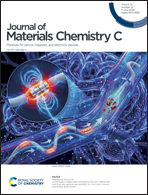
Expanding the Horizons of Magnetic Hyperthermia from Precision Medicine to Artificial Intelligence and Smart Technologies
Abstract
Magnetic hyperthermia (MH) has become a versatile and effective technique that leverages the distinctive capability of magnetic nanomaterials to transform electromagnetic energy into localized heat when subjected to an alternating magnetic field. MH originated from preliminary research on heat-induced tumour ablation and has evolved into an advanced framework of growing significance in both biological and technological domains. This review provides a comprehensive overview of the principles, mechanisms, and recent advances in magnetic hyperthermia, emphasizing the design and functional properties of diverse magnetic nanomaterials, including iron oxides, ferrites, and metallic nanoparticles. The mechanisms of heat generation through Neel and Brownian relaxation, alongside hysteresis losses, are comprehensively analyzed, highlighting the influence of critical parameters such as specific absorption rate (SAR), alternating magnetic field (AMF) configurations, particle morphology, and surface engineering on thermal efficiency. The biomedical applications of MH are thoroughly discussed emphasizing its function in oncology treatment, tumour microenvironment-responsive systems, and synergistic integration with immunotherapy, photothermal, and sonodynamic approaches. Additional emphasis is placed on heat-triggered drug and gene delivery, anti-infective treatments, image-guided interventions, and thermal stimulation for tissue engineering and regenerative medicine. Beyond healthcare, MH demonstrates significant potential in non-biomedical sectors with the advancement of temperature regulation in semiconductor devices, microfluidic systems, and environmental remediation. The review continues by addressing forthcoming frontiers, such as multimodal nanohybrids for theranostics, AI-driven personalized hyperthermia therapies, smart wearable or implantable hyperthermia devices, and integration of quantum and spintronic principles in magnetothermal science. Together, these advancements have an impact on the next generation of hyperthermia technologies that are sustainable, precise, and therapeutically relevant.
- This article is part of the themed collection: Journal of Materials Chemistry C Recent Review Articles
 Please wait while we load your content...


