


 PLATFORM UPDATE:


Upcycle to recycle: triglyceride-derived magnesium soaps as stable, sustainable and efficient catalysts for poly(ethylene terephthalate) glycolysis

Abstract
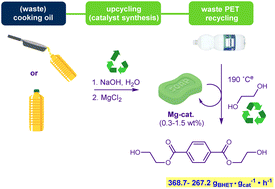
The glycolysis of poly(ethylene terephthalate) is an intensively researched process, yet simple, highly active catalysts from bulk sustainable sources without metal ions of known toxicity remain elusive. We report the development of magnesium carboxylate catalysts capable of performance comparable to the most active literature systems in the glycolysis of waste PET. A systematic study demonstrated the inexpensive/environmentally/toxicologically safe magnesium stearate to be superior to a range of group I/II metal variants, while glycolysis catalysed by an analogue derived from a dietary medium-chain fatty acid proved extraordinarily efficient (368 gBHET gcat−1 h−1). The use of commercial cooking oils as a source of magnesium soap catalysts was then demonstrated. The soap derived from medium-chain fatty acid triglyceride-rich coconut oil exhibited particularly impressive activity (267 gBHET gcat−1 h−1), while performance superior to magnesium stearate was even possible using a catalyst synthesised from fast-food restaurant waste cooking oil.
 Please wait while we load your content...


