


 PLATFORM UPDATE:

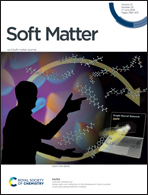
Metal-Ion Induced Coacervation of a Short Peptide under Acidic Conditions
Abstract
Coacervates formed from short peptides have recently emerged as versatile soft materials with applications in catalysis and biomimetic systems. However, liquid–liquid phase separation of short peptides typically requires charge neutralization, limiting coacervate formation under acidic conditions. Here, we show that Zn²⁺ induces coacervation of a diphenylalanine methyl ester in acidic media. This results in peptide-rich, low-polarity droplets that persist for several hours before undergoing a liquid-to-solid transition into fibrous assemblies. Spectroscopic and compositional analyses reveal that Zn²⁺ is enriched in the dense phase and interacts with peptide carbonyl groups while remaining partially hydrated. Computational calculations support this mechanism, showing that direct Zn²⁺ to carbonyl coordination is energetically unfavorable in aqueous solution, consistent with the small carbonyl shifts observed by FTIR. Despite these weak interactions, Zn²⁺ promotes coacervation under high ionic strength conditions. The addition of secondary metal ions further suppresses solidification, stabilizing coacervates for up to seven days without fiber formation. Co-metals also modulate droplet properties such as polarity and viscosity, enabling fine control over the coacervate phase. Together, these findings demonstrate that metal–peptide interactions can regulate phase behavior in minimal peptide systems at low pH and provide a strategy for designing metal-responsive coacervates.
 Please wait while we load your content...


