


 PLATFORM UPDATE:

Noble metal-based electrocatalysts for selective alcohol oxidation to high-value chemicals: from C–C bond retention mechanism to catalyst design
 *b
and
Zidong
Wei
*b
*b
and
Zidong
Wei
*b
Abstract
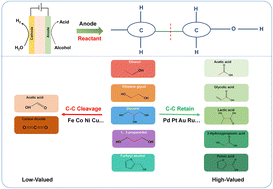
The electrocatalytic oxidation of biomass-derived alcohols has emerged as a sustainable route for green hydrogen production, offering a compelling alternative to conventional water electrolysis by replacing the energy-intensive oxygen evolution reaction with thermodynamically more favorable alcohol oxidation reactions. However, the practical application of this technology faces a critical scientific challenge arising from the competition between C–C bond retention and cleavage pathways. The cleavage pathway generates low-value products (e.g., formic acid, CO2) and causes severe catalyst poisoning due to carbon-containing intermediate adsorption, whereas the retention pathway yields high-value aldehydes, ketones, or carboxylic acids. Achieving highly selective C–C bond retention is therefore essential for realizing the synergistic benefits of energy savings and product valorization. This review systematically explores recent research advances in selective alcohol oxidation to high-value chemicals, with an emphasis on the mechanism of C–C bond cleavage or retention pathways, as well as catalyst design based on noble metal materials. These design strategies collectively provide a solid foundation for achieving highly selective C–C bond retention in alcohol electrooxidation. With further advancements in this field, alcohol oxidation-assisted hydrogen production technology is expected to play an increasingly important role in future green hydrogen systems and biomass refining, contributing to the transition toward a sustainable and low-carbon chemical industry.
- This article is part of the themed collection: 2026 Chemical Science Perspective & Review Collection
 Please wait while we load your content...


