


 PLATFORM UPDATE:

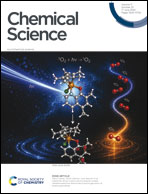
Membrane Anchoring Amplifies Intracellular Catalysis of Caged Palladium Nanoclusters
Abstract
Palladium nanoclusters (Pd NCs) represent a promising candidate for intracellular redox catalysis owing to their capacity to generate reactive oxygen species (ROS). Yet, in living systems, their catalytic performance is severely constrained by rapid cytosolic passivation and the spatial mismatch between ROS production sites and biological targets. Here, we report a membrane-confined catalytic strategy that reprograms intracellular Pd nanocatalysis at the cell membrane interface. Ultrasmall molecular cage-templated Pd NCs are stably anchored within the plasma membrane via a liposome-mediated membrane fusion approach, establishing a confined reaction microenvironment. Membrane confinement not only protects catalytic active sites from cytosolic nucleophiles but also localizes ROS generation directly at the lipid bilayer, enabling efficient ROS accumulation at substantially reduced Pd dosages. The localized ROS further induce spatially lipid peroxidation and prodrug activation, establishing a membrane-level cooperative effect that boosts therapeutic efficacy. This work identifies membrane confinement as a general strategy to stabilize metal nanocatalysts and spatially program intracellular ROS reactions, providing a new framework for interface-directed regulation of cell fate.
 Please wait while we load your content...


