


 PLATFORM UPDATE:

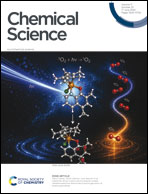
Surface engineering and local electron structure modulation to accelerate electroreduction of low-concentration nitrate
 a
Weiqing
Han
*a
a
Weiqing
Han
*a
Abstract
Electroreduction of low-concentration nitrate is constrained due to the competitive hydrogen evolution side reaction and sluggish reaction dynamics. Herein, we present a NiFe-layered double hydroxide featuring hydrophobicity and oxygen vacancies formed by in situ electrochemical intercalation of sodium dodecylbenzene sulphonate (VO-NiFe-LDH/CF). Different from traditional intercalation by the ion-exchange method, VO-NiFe-LDH/CF retains the hydrophobic properties of the alkyl chains in sodium dodecylbenzene sulphonate, while the sulfonic acid functional groups inhibit the formation of surface hydroxyl groups. The introduction of oxygen vacancies induces local electron redistribution and d-band center optimization, thereby enhancing nitrate adsorption capacity and reducing the energy barrier for the rate-determining step (*NO → *NOH). In situ FTIR measurement confirms the electrochemical hydrogenation route of nitrate. The optimized VO-NiFe-LDH/CF can realize 96.8% nitrate removal efficiency and 96% ammonia selectivity at an initial NO3−-N concentration of 50 mg L−1. The NO3−-N removal rate of VO-NiFe-LDH/CF is 2.1-fold higher than that of NiFe-LDH/CF. Furthermore, VO-NiFe-LDH/CF has excellent practicality for practical industrial nitrate-wastewater; the total nitrogen was reduced from 114.7 mg L−1 to 7 mg L−1. VO-NiFe-LDH/CF shows outstanding stability and robust anti-interference performance during the long-term experiments.

 Please wait while we load your content...


