


 PLATFORM UPDATE:


A novel electrochemical separation process using a polypropylene-supported membrane for simultaneous removal of nickel and manganese

Abstract
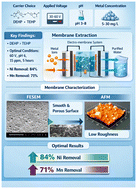
This study explores the implementation of an electromembrane extraction (EME) system to remove heavy metals (nickel and manganese) from aqueous solutions. Using a unique electrochemical cell design with a graphite anode, a stainless-steel cathode, and a supported liquid membrane (SLM), this study examines the effect of several factors, such as carrier choice (DEHP or TEHP), applied voltage (30–60 V), pH (3–8), and metal concentration (5–30 mg L−1), on the removal efficiency of each metal. Results show that the DEHP carrier achieved higher extraction efficiency than TEHP under all operating conditions. The applied voltage significantly enhanced the removal efficiency of each metal using the membrane. The optimal operating conditions were a voltage of 60 V, an initial pH of 6, an initial metal concentration of 15 mg L−1, and an extraction time of 5 hours. Remarkably, under these optimized conditions, impressive removal efficiencies were achieved for each heavy metal: 84% for Ni and 71% for Mn. The FESEM and AFM results of the membrane showed a relatively homogeneous surface structure with clear porosity and low roughness, indicating the integrity of the membrane and that it is not affected by the initial treatment. After the immersion of the membrane in the DEHP carrier, a marked change in the topography of its surface was observed in the form of increased roughness and partial fullness of pores, confirming the successful fixation of the carrier and the effectiveness of the membrane in the extraction process. The results confirm that the EME technique using the SLM is an effective way to extract heavy metals from water within the optimum mentioned operational condition.
 Please wait while we load your content...


