


 PLATFORM UPDATE:


An approach for the systematic profiling of drug-induced remodeling of RNA–RBP (RNA-binding protein) interactions
 a
Weijie
Qin
*ac
a
Weijie
Qin
*ac
Abstract
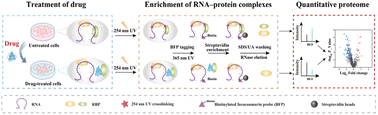
Nucleic acid-based therapeutics targeting RNA-related regulatory networks have received substantial attention in drug development, among which the interventions of RNA–RBP (RNA-binding protein) interactions or RNA–protein complex assemblies represent a promising strategy for treating various diseases. RBPs play essential roles in post-transcriptional regulation, and their interactions with RNA are closely associated with physiological homeostasis and pathological progression. Although RNA–RBP interactions are increasingly recognized as therapeutic targets, the lack of systematic methods for screening the drugs that intervene in these interactions and evaluating their off-target effects remains a major bottleneck in the field. Here, we established an integrated approach combining biotinylated furocoumarin probe (BFP)-mediated RNA-tagging and RPC enrichment with quantitative proteomics to systematically profile the drug-induced remodeling of RNA–RBP interactions, thereby facilitating therapeutic drug discovery and off-target effect assessment. Applying this approach to MS-444-treated cells, we confirmed therapeutic target engagement by detecting inhibited HuR–RNA binding (the primary target of MS-444) and simultaneously revealed widespread binding suppression of RNA-processing RBPs, particularly those harboring RRM domains, as potential off-target effects. When applied to risdiplam-treated cells (an FDA-approved splicing modulator for spinal muscular atrophy), we verified the expected dissociation of hnRNP G from RNA transcripts and revealed extensive remodeling of SR and hnRNP splicing factors involved in SMN2 exon 7 regulation, providing insights into both its therapeutic mechanism and potential off-target perturbations. We anticipate that this approach will serve as a powerful platform for screening the drugs targeting RNA–RBP interactions and evaluating their off-target effects, thereby advancing the development of RNA-targeted therapeutics.
 Please wait while we load your content...


