


 PLATFORM UPDATE:


Thiadiazole–azetidinone sulfonamide hybrids with antimycobacterial activity supported by structure-based analysis

Abstract
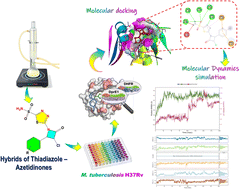
Tuberculosis (TB), caused by Mycobacterium tuberculosis, remains a major global health challenge, exacerbated by the rapid emergence of drug-resistant strains. In this study, a series of thiadiazole–azetidinone hybrid molecules was designed and synthesized by integrating two pharmacophores with known relevance in antimycobacterial drug discovery. The hybrid framework was conceived to explore the structural compatibility of thiadiazole-2-sulfonamide and azetidinone motifs within a single molecular architecture targeting two essential mycobacterial enzymes, decaprenylphosphoryl-β-D-ribose 2′-oxidase (DprE1) and dihydrofolate reductase (DHFR), involved in cell wall biosynthesis and folate metabolism, respectively. The synthesized compounds displayed in vitro antimycobacterial activity against M. tuberculosis H37Rv and were further analyzed through molecular docking and molecular dynamics simulations (200 ns) to rationalize their interactions with both targets under dynamic conditions. These computational studies provided mechanistic insights into the binding modes, stability, and key interactions governing enzyme recognition within this hybrid series. In silico ADMET analysis indicated acceptable drug-like profiles across the scaffold. Rather than defining a clinically optimized candidate, this work establishes a structure–activity and structure–interaction framework that supports the thiadiazole–azetidinone hybrid concept and guides future chemical optimization toward antitubercular agents.
 Please wait while we load your content...


