


 PLATFORM UPDATE:


Integrated proteomics, molecular dynamics, and in vitro characterization of antimicrobial peptide from Lactobacillus acidophilus vesicles against Streptococcus mutans

Abstract
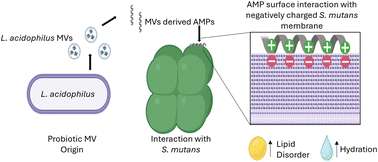
Membrane vesicles (MVs) released by probiotic bacteria such as Lactobacillus acidophilus have emerged as rich sources of bioactive peptides with antimicrobial properties. These MV-associated peptides represent a natural alternative to conventional synthetic antimicrobials, offering inherent selectivity and enhanced stability within complex microbial ecosystems such as the oral cavity. Given that Streptococcus mutans is a major etiological agent of dental caries due to its biofilm-forming and acidogenic capabilities, targeting it with probiotic-derived antimicrobial peptides (AMPs) presents a promising therapeutic avenue. In this study, the L. acidophilus MVs' peptide was tested against S. mutans, in silico and in vitro. Proteomic profiling of L. acidophilus MVs identified 143 unique peptides, of which several were predicted as AMPs by computational screening. A lead sequence, LTVTKAMNKVNKNAK, was prioritized for its non-hemolytic, non-toxic profile and favorable physicochemical traits. Molecular modelling and dynamics revealed membrane surface associated disruption against S. mutans by increased root mean square deviation (RMSD), root mean square fluctuation (RMSF) of the membrane, and water penetration count. The lead peptide exhibited an EC50 value of 1.1 mM and effectively inhibited biofilm formation while enhancing membrane permeability, thereby corroborating the in silico findings. These findings suggest that MVs from L. acidophilus can harbor AMPs capable of disrupting Gram-positive bacterial membranes through membrane disruption mechanisms.
 Please wait while we load your content...


