


 PLATFORM UPDATE:


Waste-derived carbon nanomaterials for electrochemical applications: toward a circular and sustainable future

Abstract
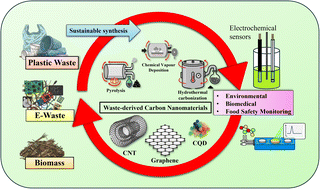
The unparalleled global surge in waste generation necessitates a revolutionary shift toward the circular economy, simultaneously addressing resource depletion and environmental remediation. This review highlights the critical role of various waste materials, such as plastic waste, industrial waste, and agricultural waste, used for the synthesis of nanomaterials like carbon nanotubes, graphene, and carbon quantum dots, as versatile, high-performance precursors for advanced technology. Specifically, we demonstrate how precise tuning of synthesis enables predictable control over the final material's structural, morphological, and surface properties. These characteristics, such as high conductivity and specific surface area, are essential for their remarkable performance in key electrochemical domains. This review emphasizes the impact of waste-derived carbon nanomaterials on electrochemical sensors, where they enhance detection sensitivity and selectivity to achieve ultra-low limits across environmental and biomedical applications. Finally, we addressed the pressing challenges of the field, including the necessity for scalable, energy-efficient synthesis protocols and toxicity assessment, defining a clear future roadmap to integrate these sustainable materials into industrial-scale sensing and energy conversion systems.
- This article is part of the themed collection: 2026 Reviews in RSC Advances
 Please wait while we load your content...


