


 PLATFORM UPDATE:

Biomimetic multi-layer scaffolds with aligned polyurethane nanofibers and tailored hyaluronic acid/gelatin hydrogels for sustained methylprednisolone release in potential cardiovascular applications

Abstract
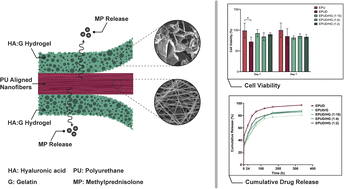
A key challenge in tissue engineering is designing three-dimensional (3D) biomimetic scaffolds that overcome the limitations of traditional 2D nanofibrous structures while promoting cellular activities and tissue regeneration. In this study, a multi-layered scaffold was developed by combining electrospun polyurethane (EPU) nanofibers containing methylprednisolone with hyaluronic acid (HA)–gelatin (G) hydrogels at varying ratios. The 3D structure enhanced porosity and mechanical properties. Increasing the HA : G ratio from 1 : 10 to 1 : 2 expanded pore size from ∼208 µm to ∼489 µm, creating a more favorable microenvironment for cell activities. Additionally, elongation at break increased from ∼103% in EPU alone to ∼196% in the EPU/HG (1 : 10), showing an improvement in the viscoelastic behavior of modified EPU. Controlled release of methylprednisolone was demonstrated over 80% delivery within 14 days. Biological evaluations with human umbilical vein endothelial cells (HUVECs) highlighted the scaffold's potential to support cell activities, including extensive filopodia anchoring. Also, cell viability assays confirmed the biocompatibility of all multi-layer scaffolds. These findings suggest that the developed biomimetic nanofiber/hydrogel scaffolds hold significant promise for cardiovascular tissue engineering applications.
 Please wait while we load your content...


