


 PLATFORM UPDATE:


A vNAR-based hybrid nanobiosensor for rapid and selective HbA1c detection: a step forward in next-generation diabetes diagnosis

Abstract
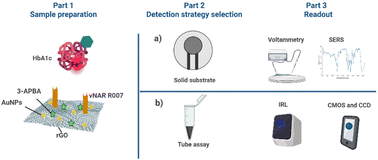
Glycated hemoglobin A1c (HbA1c) is a key biomarker for monitoring long-term glycemic control in diabetic patients, reflecting average blood glucose levels over a two- to three-month period. This study presents the development of a novel hybrid biosensor for HbA1c detection, based on a high-affinity anti-HbA1c variable new antigen receptor (vNAR) isolated from a naïve freshwater stingray library. vNAR domains offer remarkable stability and adaptability for integration into biosensing platforms. The hybrid nanobiosensor combines voltammetric detection with chemiluminescence resonance energy transfer (CRET) to enhance sensitivity. The hybrid nanobiosensor (rGO–AuNPs–APBA–vNAR) operates either in solution or on solid substrates with a Minimum Detectable Quantity (MDQ) of 1.5 ng. On a solid substrate, HbA1c binds to the immobilized vNAR on the hybrid nanobiosensor surface, triggering an electrochemical signal or strong SERS peaks. In solution, the hybrid nanobiosensor is detected via a chemiluminescence-based luminol oxidation reaction in the presence of HbA1c. This vNAR-based hybrid nanobiosensor shows strong potential for clinical HbA1c diagnostics, offering rapid, sensitive, and patient-friendly monitoring to support improved diabetes management and healthcare outcomes.
 Please wait while we load your content...


