


 PLATFORM UPDATE:

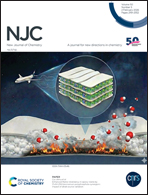
Superhydrophobic anti-corrosion coatings for metal surfaces: a systematic review from fabrication to performance
 *a
*a
Abstract
Metals are fundamental to numerous industrial and everyday applications, yet corrosion poses significant economic and safety challenges. Superhydrophobic coatings have shown great promise in mitigating these issues by effectively minimizing the retention and penetration of corrosive electrolytes. Through multiple protective mechanisms – such as water repellency, inhibition of electrochemical reactions, and enhanced interfacial adhesion – these coatings isolate the metal substrate from direct contact with corrosive media, thereby significantly improving corrosion resistance. As a result, superhydrophobic coatings have attracted considerable research interest in the field of metal anti-corrosion. This review summarizes recent advances in superhydrophobic coatings for metal protection, systematically elaborating on their protective mechanisms and fabrication techniques. It also summarizes the current state of research and discusses prevailing challenges along with future prospects for superhydrophobic coating technology in corrosion protection.

- This article is part of the themed collection: 2026 Focus and Perspective articles
 Please wait while we load your content...


