


 PLATFORM UPDATE:

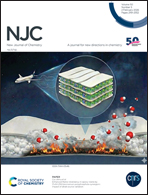
Preparation and mechanism analysis of the collagen modified by l-arginine with dual antibacterial and foam stabilizing functions for foam detergents
 *ab
*ab
Abstract
Amidated collagen (A-COL) with good biocompatibility was synthesized via carbodiimide-mediated coupling of L-arginine to native collagen (COL). The structure and charge type of A-COL and COL were characterized by FTIR, zeta potential analysis and elemental analysis (EA). A-COL was incorporated into the foam detergent as both an antibacterial agent and foam stabilizer. The antibacterial activities of A-COL against E. coli and S. aureus were analyzed, along with its impact on, and mechanism for enhancing, the detergent's foaming capacity and foam stability. The results showed that A-COL inhibited both bacteria, with MIC values of 0.312 mg mL−1 and 0.078 mg mL−1, respectively. The antimicrobial mechanism of A-COL involves its positively charged and synergistically active structure, which enhances electrostatic interactions and destroys the cell's integrity. Foam stability with A-COL was 1.43-fold higher than without A-COL. The addition of A-COL enhances the foam stability of the foam detergent through its long-chain molecules forming an interweaving network structure. The detergent containing A-COL exhibited no skin irritation, excellent biocompatibility, and a predicted shelf life of over 3 years as determined by accelerated thermal stability testing. The dual-functional A-COL significantly enhances the detergent's antibacterial efficacy, storage stability, foam-stabilizing capacity, and biocompatibility, demonstrating considerable potential for application in biomass-based detergents.

 Please wait while we load your content...


