


 PLATFORM UPDATE:

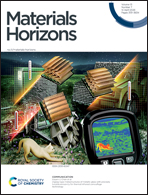
Colorful aerogel fibers enabling functional textiles for thermal insulation and harmful-gas visualization

Abstract
Intelligent protective clothing plays a pivotal role in safeguarding life and health. In this study, we have developed a cellulose@polyethyleneimine aerogel fiber (CE@PEI-aerogel fiber), which integrates thermal protection, hazardous gas detection, and visual warning functions. This innovative fiber is fabricated through amino-functionalization modification of cotton followed by wet-spinning processes. The resulting aerogel fiber exhibits a three-dimensional network structure with uniform nanopores, and the constructed fabric demonstrates exceptional thermal insulation properties and an ultra-low thermal conductivity of 29.5 mW (m K)−1. Notably, the introduction of amino groups significantly enhances the dye uptake rate (95.95% for reactive red) and fixation rate (77.68% for reactive red) of the aerogel fiber via a salt-free dyeing process. Furthermore, by incorporating commercially available responsive dyes, these aerogel fibers exhibit high sensitivity, rapid response, and visual detection capabilities towards toxic substances including acidic gases, ammonia, formaldehyde, and acetone with a detection limit at the ppm level. The CE@PEI-aerogel fiber can be further woven into a fabric, which integrates thermal protection, visual early warning, and robust mechanical properties, achieving a comprehensive “detection–protection–warning” system for industrial safety and environmental monitoring.

 Please wait while we load your content...


