


 PLATFORM UPDATE:


Targeting DNA-PK: medicinal chemistry insights into small-molecule inhibitor discovery and optimisation

Abstract
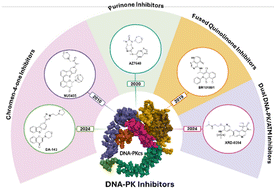
DNA-dependent protein kinase (DNA-PK) is a central regulator of non-homologous end joining (NHEJ), the dominant pathway for DNA double-strand break repair in mammalian cells. Aberrant DNA-PK activity is frequently associated with tumour progression as well as chemo- and radio-resistance, positioning DNA-PK as an attractive therapeutic target in cancer. Over the past few years, extensive medicinal chemistry efforts have enabled the optimisation of small molecule inhibitors of DNA-PK, from early, non-selective chemical probes into highly potent, selective and orally bioavailable compounds. This review provides a comprehensive overview of the discovery and optimisation of DNA-PK inhibitors, highlighting key structure–activity relationships, synthetic strategies and pharmacological profiles across several inhibitor generations. Representative scaffolds, including chromen-4-one derivatives and next-generation clinical candidates such as AZD7648 and VX-984, are discussed. Finally, we summarise current clinical progress in early phase trials and remaining challenges, including achieving tolerability and efficacy when compounds are administered both as a single agent, or in combination. Taken together, this review highlights both the therapeutic potential of DNA-PK-targeting inhibition and the challenges encountered in clinical development, providing a framework to guide future strategies for DNA-PK-targeted therapeutics.
 Please wait while we load your content...


