


 PLATFORM UPDATE:


Synthesis, antibacterial activity, and mechanistic characterization of novel 9-substituted berberine derivatives
 *a
*a
Abstract
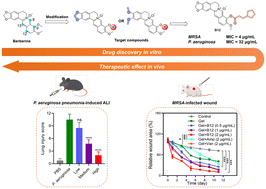
Natural products serve as valuable sources for developing antibacterial agents. In this study, 35 berberine derivatives were synthesized, and preliminary screening revealed that most compounds effectively inhibited the growth of Methicillin-resistant Staphylococcus aureus (MRSA) and Pseudomonas aeruginosa. Notably, B12-loaded HAMA/PEGDA hydrogels exhibited a sustained-release profile that ensured prolonged local exposure and produced significant antibacterial effects in an MRSA-infected wound mouse model. Furthermore, B12 showed potent antibacterial and therapeutic effects in a P. aeruginosa-induced bacterial pneumonia-associated acute lung injury model. Mechanistically, B12 reduced bacterial loads in skin and lung tissues, suppressed pro-inflammatory cytokine expression, and promoted tissue repair. Acute toxicity assessment further confirmed its in vivo safety. Additional mechanistic analyses demonstrated that B12 disrupted bacterial cell membrane integrity, altered cell morphology, and increased membrane permeability. Collectively, these findings support B12 as a promising candidate for antibacterial drug development.
 Please wait while we load your content...


