


 PLATFORM UPDATE:


Research progress of high value utilization of waste polyethylene plastics
 *abc
and
*abc
and
Abstract
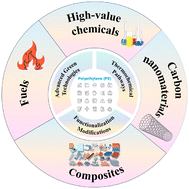
To address polyethylene (PE) pollution, high-value upcycling technologies are essential. This review systematically examines multi-path approaches for waste PE. Within the realm of thermochemical conversion, techniques such as catalytic pyrolysis, hydrogenolysis, hydrocracking, and oxidation can transform PE into high value fuels, chemicals, and carbon materials. Regarding functional modification, molecular design strategies like mechanical blending, dynamic cross linking, and copolymerization can markedly improve the performance of PE materials and bestow upon them new functionalities. Cutting-edge green catalytic technologies, including photocatalytic and biological tandem conversion, allow for the directional transformation of PE into hydrogen, chemicals, and biodegradable plastics under mild conditions, showcasing significant environmental benefits. Despite considerable progress, challenges persist in this field, such as high catalyst costs, inadequate economic viability of processes, and scalability issues for industrial applications. Future endeavors should concentrate on the development of intelligent sorting technologies, efficient catalysts, and green processes, as well as promoting industrial application through policy support to ultimately achieve a plastic circular economy.
- This article is part of the themed collection: 2026 Green Chemistry Reviews
 Please wait while we load your content...


