


 PLATFORM UPDATE:


Coordinated changes in microbiota features, short-chain fatty acids, and peripheral clocks accompany fructo-oligosaccharide–associated metabolic improvement
 *a
*a
Abstract
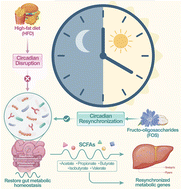
Metabolic disorders induced by a high-fat diet (HFD) are closely linked to disruptions in the circadian regulation of glucose and lipid metabolism. This study evaluated the metabolic benefits and chrono-nutritional potential of the prebiotic fructo-oligosaccharides (FOS) in a mouse model of HFD-induced obesity using 24 hour time-series analysis. FOS supplementation not only reduced weight gain, insulin resistance, and hepatic steatosis, but also restored the diurnal oscillations of key metabolic genes (Srebp1c, Pparα) and core circadian clock genes (Bmal1, Clock) in metabolic tissues. Notably, FOS reshaped gut microbiota composition by enriching beneficial genera and was accompanied by improved temporal organization of microbial metabolites, particularly the rhythmic production of short-chain fatty acids (SCFAs). Correlation analyses revealed strong temporal associations between FOS-induced microbial rhythmicity and improved host metabolic parameters. These findings suggest that FOS improves circadian metabolic homeostasis, accompanied by changes in gut microbiota rhythmicity and SCFAs rhythmicity, supporting its potential as a chrono-nutritional strategy in metabolic disorders.
 Please wait while we load your content...


