


 PLATFORM UPDATE:


Taurine mitigates bisphenol A-induced maternal–fetal oxidative stress and improves fetal weight by regulating Nrf2-Keap1 pathway, gut microbiota and bile acid metabolism
 *a
*a
Abstract
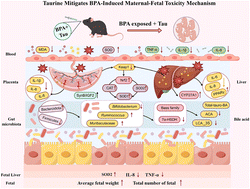
Bisphenol A (BPA) exposure disrupts the maternal–fetal environment, resulting in fetal growth restriction and tissue damage. While taurine is recognized for its protective effects and its role in regulating tauro-conjugated bile acid (TCBA) metabolism, its specific mechanism of action underlying BPA exposure remains unclear. This study systematically investigated whether taurine alleviates BPA-induced placental dysfunction, oxidative stress, and fetal weight restriction at gestation day (GD) 18.5 by regulating TCBA metabolism using a murine pregnancy model. Our results showed that gestational BPA exposure significantly inhibits the Nrf2-Keap1 signaling pathway, triggering a vicious cycle of oxidative stress and inflammation. This cascade disrupted placental nutrient transport, impaired hepatic detoxification, and perturbed the gut microbiota–bile acid (BA) axis, ultimately leading to fetal weight restriction at GD18.5. Taurine supplementation exerted multi-level protective effects by activating the Nrf2-Keap1 pathway, upregulating the expression of antioxidant enzyme genes (CAT, SOD1, SOD2), inhibiting pro-inflammatory factors (IL-6, IL-8), and simultaneously mitigated oxidative stress and inflammatory damage in the placenta and liver; restoring the expression of nutrient transport genes such as syncytin B (SynB) and insulin-like growth factor 2 (IGF2) to repair placental function and ensure fetal nutrient supply, while upregulating cytochrome P450 family 27 subfamily A member 1 (CYP27A1) expression to maintain hepatic BA synthesis homeostasis; and remodeling the gut microbial community structure by restoring the abundance of beneficial bacteria (Muribaculaceae, Ruminococcus), inhibiting the abnormal proliferation of Bifidobacterium, and improving BA metabolic imbalance, thereby normalizing the “liver–gut microbiota–BA” metabolic axis. Our findings indicate that taurine mitigates BPA-induced maternal–fetal toxicity by targeting the microbiota-BA-oxidative stress axis. This study highlights taurine as a promising nutritional intervention strategy for protecting pregnancy against environmental toxicant exposure.
 Please wait while we load your content...


