


 PLATFORM UPDATE:

The influence of pepper-derived compounds on blood pressure and heart rate: a systematic review and meta-analysis of randomized controlled trials
 *e
*e
Abstract
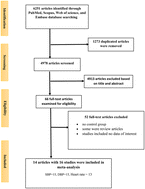
Various clinical studies have explored how capsaicinoids and capsinoids impact blood pressure and heart rate, but findings have been inconsistent. This meta-analysis aimed to systematically evaluate the effects of capsaicinoids, capsinoids, and pepper-based interventions on systolic blood pressure (SBP), diastolic blood pressure (DBP), and heart rate in adults. A comprehensive literature search was conducted across PubMed, Scopus, Embase, and Web of Science through April 3, 2026. Data were pooled using a random-effects model and presented as weighted mean differences (WMDs) with 95% confidence intervals (CIs). Heterogeneity, publication bias, and subgroup analyses were also assessed. Fourteen studies comprising 16 RCT arms were included. Capsaicinoid, capsinoid, and pepper-based interventions (e.g., whole chili, red pepper powder, and fermented paste such as Kochujang, or pepper juice) did not significantly affect SBP (WMD: −0.34 mmHg; 95% CI: −1.78 to 1.09; p = 0.642) or DBP (WMD: −0.38 mmHg; 95% CI: −0.97 to 0.20; p = 0.205). A small reduction in DBP was observed in trials lasting ≥12 weeks (WMD: −0.80 mmHg; 95% CI: −1.48 to −0.12; p = 0.021). The heart rate showed a minor decrease (WMD: −1.53 beats per min; 95% CI: −2.83 to −0.22; p = 0.021), which, although statistically significant, is unlikely to be clinically meaningful. High heterogeneity was noted for SBP, and study designs, populations, intervention types, and doses varied substantially across trials. These findings indicate that capsaicinoids, capsinoids, or pepper-based interventions may slightly lower the heart rate and DBP in long-term studies, but overall effects on blood pressure are small and of uncertain clinical relevance.
- This article is part of the themed collection: Food & Function Review Articles 2026
 Please wait while we load your content...


