


 PLATFORM UPDATE:


Ancient and native fruits from Northwestern Argentina and their derived flours as next generation functional foods

Abstract
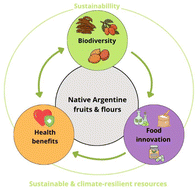
Argentina has an extraordinary diversity of non-timber forest products, including edible fruits with high nutritional value and therapeutic properties that have been used by local indigenous communities since ancient times. Some species are resilient to climate change and are adapted to arid/semiarid environments, while others grow in tropical forest ecosystems. Various fruits and flours derived from these species have been incorporated into the Argentine Food Code, increasing their visibility and expanding their use as fresh products as well as alternative functional powders and flours. Growing consumer preference for nutrient-rich, multifunctional foods with clean labels is accelerating the demand for ancient and native fruits as well as alternative gluten-free and allergen-free flours that are rich in protein, fiber, and bioactive compounds. This review compiles evidence showing that these fruits and their derived flours have distinctive nutritional and phytochemical profiles, characterized by high levels of phenolic acids, flavonoids, and other bioactive metabolites. These compounds are associated with antioxidant, anti-hyperglycemic, hypocholesterolemic, anti-inflammatory, and antiproliferative activities, mainly through the inhibition of enzymes and the modulation of oxidative stress pathways. Recent developments also highlight their technological potential as functional ingredients in gluten-free formulations, microencapsulation systems, edible films, and nutraceutical products. Overall, this review identifies these underutilized resources as promising candidates for the development of sustainable and climate-resilient functional foods, while outlining current limitations and future research needs, particularly regarding standardization, bioavailability, and clinical validation.
- This article is part of the themed collection: Food & Function Review Articles 2026
 Please wait while we load your content...


