


 PLATFORM UPDATE:


Precision probiotics for overweight management: decoding strain-specific mechanisms to guide microbiota-tailored interventions
 *a
*a
Abstract
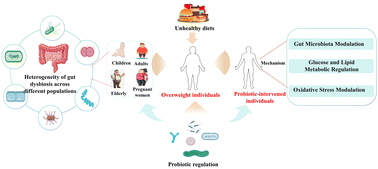
The global epidemic of obesity and related metabolic disorders underscores the pressing need for safe and effective intervention strategies. The gut microbiota serves as a key regulatory target, with individual heterogeneity in its composition and function significantly influencing the efficacy of probiotic interventions. This review systematically outlines the distinct features and drivers of gut dysbiosis in various overweight populations, including children, pregnant women, the elderly, and adults, and reveals that microbiota heterogeneity is a central factor contributing to inconsistent outcomes in probiotic studies. Furthermore, it elucidates the specific molecular mechanisms through which certain probiotic strains, such as Lactobacillus, Bifidobacterium, and next-generation probiotics, modulate lipid metabolism by promoting lipolysis and fatty acid oxidation while inhibiting de novo lipogenesis, regulate glucose homeostasis via α-glucosidase inhibition, satiety hormones’ regulation, and glucose metabolic pathway modulation, and alleviate oxidative and endoplasmic reticulum stress. This review also argues that establishing a precision probiotic intervention framework could offer both theoretical and practical support for the clinical translation of probiotic-based strategies in managing overweight conditions.
- This article is part of the themed collection: Food & Function Review Articles 2026
 Please wait while we load your content...


