


Dietary β-sitosterol alleviates reproductive toxicity induced by combined exposure of low-dose deoxynivalenol and high-fat diet in male C57BL/6J mice

Abstract
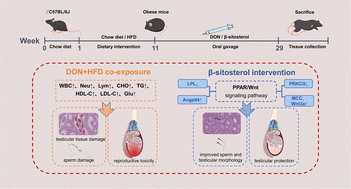
Deoxynivalenol (DON), a mycotoxin commonly found in grains, is difficult to remove during processing, posing a risk of long-term low-dose exposure in both humans and animals. Meanwhile, there is a trend toward the increasing prevalence of high-fat diets (HFD) in contemporary human populations. Therefore, combined exposure to DON and HFD will exacerbate their health threats to humans and animals, especially potentially impairing male reproductive health and reducing fertility. This study aims to investigate the potential male reproductive toxicity induced by combined exposure to long-term low-dose DON and HFD, and to explore potential nutritional intervention strategies. Our findings demonstrate that combined exposure to low-dose DON and HFD leads to structural damage in the seminiferous tubules, reduced sperm count, and increased sperm malformation rates in male C57BL/6J mice, along with abnormal blood lipid parameters. Meanwhile, nutritional intervention with β-sitosterol, one of the most widely distributed and abundant phytosterols, significantly alleviated the reproductive toxicity caused by low-dose DON and HFD. Transcriptomic sequencing and molecular docking simulation results revealed that the protective mechanism of β-sitosterol against the combined toxicity is closely associated with the PPAR/Wnt signaling pathway. Our study has firstly elucidated the potential mechanism underlying male reproductive toxicity induced by low-dose DON and HFD combined exposure, as well as providing novel insights into proactive nutritional intervention strategies.
 Please wait while we load your content...


