


 PLATFORM UPDATE:


Flavonoids and polycystic ovary syndrome
 *a
*a
Abstract
Polycystic ovary syndrome (PCOS) is a heterogeneous endocrine disorder affecting women, characterized by irregular menstrual cycles, elevated androgen levels, and ovulatory dysfunction. Current clinical treatments, such as combined oral contraceptive pills (COCP), metformin, and clomiphene, can alleviate symptoms but are often associated with adverse effects including gastrointestinal discomfort, the risk of ovarian hyperstimulation syndrome (OHSS), and potential deterioration of cardiometabolic indices. Thus, there is an urgent need for safer and well-tolerated alternative therapies. Flavonoids, a class of naturally occurring polyphenolic compounds, are widely distributed in various foods and medicinal plants. This review systematically analyzes evidence from preclinical and clinical studies. Preclinical studies demonstrate that flavonoids effectively mitigate oxidative stress and chronic low-grade inflammation in PCOS models by activating the Nrf2 antioxidant pathway, inhibiting NF-κB and NLRP3 inflammasomes, and activating the AMPK signaling pathway. These regulatory mechanisms translate into specific pathological improvements, including significantly reduced serum androgen and insulin levels, as well as the repair of abnormal ovarian morphology. Further clinical trials have confirmed the therapeutic potential of flavonoids. Compounds such as quercetin, soy isoflavones, and puerarin have been shown to significantly improve endocrine and metabolic indicators and optimize oocyte quality in PCOS patients. This review elucidates the role and mechanisms through which flavonoids contribute to the management of PCOS while summarizing changes in parameters related to PCOS following administration of these compounds along with their potential therapeutic benefits.
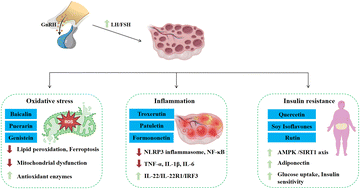
- This article is part of the themed collection: Food & Function Review Articles 2026
 Please wait while we load your content...


