


 PLATFORM UPDATE:


Selenium-containing peptides attenuating Pb-induced memory impairment through microRNA-mediated signaling

Abstract
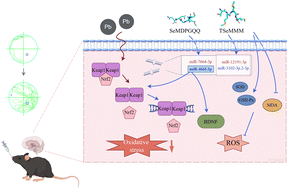
Lead (Pb) accumulation in the hippocampus and the resulting oxidative stress contribute to memory impairments, highlighting the hippocampus as a primary target for Pb neurotoxicity. Selenium-containing peptides TSeMMM and SeMDPGQQ are able to alleviate Pb-induced oxidative neurological damage and the specific microRNAs involved in the memory protection by the two peptides need to be explored. In this study, mouse memory impairment models were constructed through the administration of 20 mg kg−1 lead acetate for 7 weeks. TSeMMM and SeMDPGQQ reversed Pb accumulation and oxidative stress indicators in the hippocampus, and the hippocampal neuron morphology was improved. Furthermore, the BDNF expression and Keap1/Nrf2 pathway were regulated to modulate the intrahippocampal antioxidant effect. There were 26 microRNAs aberrantly expressed by Pb administration, while treatment with high-dose TSeMMM and low-dose SeMDPGQQ restored 4 of them. This study will provide new insights into the mining of selenium-enriched functional factors.
 Please wait while we load your content...


