


Evaluating casein ingredients in infant formula using pigs as a model for sensitive newborn infants
 †*a
†*a
Abstract
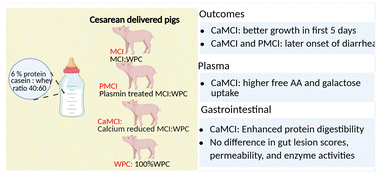
Background: Relative to whey protein, the role of casein in infant formula remains underexplored. We investigated the effects of modified micellar casein isolates (MCIs) on clinical outcomes, intestinal functions, stomach coagulation, and protein digestion using near-term pigs as a model for newborn infants. Methods: MCI, plasmin-treated MCI (PMCI), or calcium-reduced MCI (CaMCI) was blended with whey protein concentrate (WPC) (ratio 40 : 60) in formulas for cesarean-delivered newborn pigs and compared with a reference group receiving formula with only WPC as protein (n = 16–18 at birth, 14–15 pigs per group completed the study). Body weight and other clinical symptoms were recorded continuously for ten days, and the absorption rate of galactose and amino acids was measured on the fourth day. On day 10, gastrointestinal contents were collected one hour after the last feeding for analyses of the microstructure and degradation patterns of protein. Results: CaMCI pigs showed significantly higher weight gain and nutrient absorption capacity compared with MCI pigs in the first five days. No significant differences in gut lesion scores, permeability, and enzyme activities were observed among groups. Visually, PMCI and CaMCI pigs showed more finely divided gastric clots than MCI pigs, and in stomach liquid contents, CaMCI pigs had significantly higher levels of free amino terminals compared with the other groups. There were no caseins in the small intestinal digesta, while the whey proteins still appeared, especially in WPC pigs. Conclusion: Both PMCI and CaMCI diets formed fine clots in the stomach. Reduced gastric clot formation due to calcium reduction may promote protein digestion in the low-proteolytic gut of cesarean-delivered newborn pigs. This is of importance when WPC is partly replaced with MCI in formulas for sensitive, newborn infants.
 Please wait while we load your content...


