


 PLATFORM UPDATE:

Multifunctional cellulose phosphate-based food packaging films from biomass: structure–function relationship and environmental assessment studies
 *a
*a
Abstract
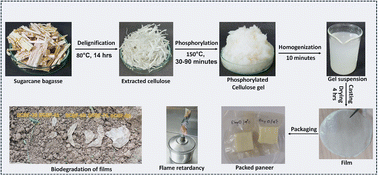
Sugarcane bagasse (SB), an agricultural biomass produced on a global scale, is generally subjected to improper disposal such as landfill dumping and open burning, or treated as waste. The present study aims to transform SB waste into value-added cellulose phosphate-based gels and packaging films through a green, scalable and sustainable route using agro-based chemicals. SB biomass was processed through delignification-cum-phosphorylation routes to produce gels of varying charge density (500 to 1130 mmol kg−1) with a transition in colour from transparent to light yellow. The processed transparent films were flame-retardant and thermally stable due to the presence of phosphate groups and mechanically robust under both dry and wet conditions due to thermally induced cross-linkings, as confirmed through FTIR and XPS studies. The life cycle assessment (LCA) studies for film production show a reduced carbon footprint with improved environmental sustainability, biodegradability (∼56 days) and migration values within standard limits, making it suitable for food packaging applications. The packaging of perishable milk products such as paneer using the developed films resulted in extension of shelf-life by 14 days with no alterations in pH and peroxide values and without any growth of pathogenic bacteria. The present study overcomes challenges associated with traditional cellulose packaging and up-converts agro-biomass waste to value-added multifunctional films with promising packaging applications as a sustainable substitution for petroleum-based plastic packaging.
- This article is part of the themed collection: Biodegradable Polymer-based Intelligent Food Packaging Systems
 Please wait while we load your content...


