


 PLATFORM UPDATE:

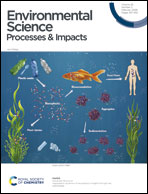
A trophic bridge for bioplastic pollution: transstadial retention and systemic toxicity of polylactic acid microplastics from necrophagous flies (Chrysomya megacephala) to secondary consumer beetles (Tribolium castaneum)
 *abc
*abc
Abstract
Bioplastics are widely promoted as environmentally safer alternatives to conventional polymers; however, their ecotoxicological implications across trophic levels remain poorly understood. In terrestrial detritivore networks, where trophic interactions involve decomposers and necrophagous insects, the ingestion and transfer of microplastics (MPs) derived from bioplastics may induce systemic dysfunctions in organisms with key ecological functions. Here, we investigated the trophic transfer and physiological impacts of polylactic acid microplastics (PLA-MPs) in a simulated terrestrial food chain, from Chrysomya megacephala to Tribolium castaneum. We hypothesized that PLA-MPs would be retained across metamorphosis and transferred between trophic levels, inducing multisystemic effects in secondary consumers. Our findings confirm the transstadial retention of PLA-MPs in C. megacephala and their effective trophic transfer to T. castaneum. Despite a reduction in MP burden across trophic transitions, exposed beetles exhibited behavioral alterations, including hyperactivity and spatial disorganization, alongside decreased levels of serotonin, dopamine, and acetylcholinesterase activity. These neurofunctional impairments were accompanied by redox imbalance, collapse of digestive enzyme activities (including chymotrypsin, trypsin, and alkaline phosphatase), and reduced biomass, despite elevated levels of total proteins, triglycerides, and carbohydrates. Network analysis revealed a systemic reorganization, characterized by the loss of central physiological hubs and the emergence of stress-related biomarkers. Random forest modeling identified nine key variables spanning neurochemical, oxidative, and digestive axes as robust predictors of internal PLA-MP burden. This study provides the first evidence that PLA-MPs can be effectively transferred through a terrestrial detritivore chain via necrophagy, inducing multisystemic physiological disruptions in secondary consumers. Thus, our findings expand current bioplastic risk assessment paradigms by advocating the integration of systemic biomarkers, trophic dynamics, and underexplored exposure pathways in terrestrial scenarios.

- This article is part of the themed collection: HOT articles from Environmental Science: Processes & Impacts
 Please wait while we load your content...


