


 PLATFORM UPDATE:


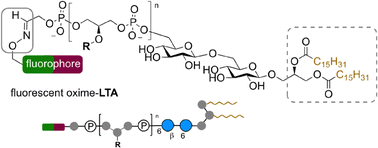
A two-step bioconjugation of S. aureus lipoteichoic acid (LTA) affords fluorescent probes that illuminate the interaction between Gram-positive glycolipids and mammalian cell membranes

Abstract
Lipoteichoic acid (LTA), a major constituent of Gram-positive bacteria cell wall, is an amphiphilic glycolipid and well-established stimulator of immune cells through activation of Toll-Like Receptor 2 (TLR2) complexes. LTA binding to TLR2 is essential for this process but not the only step required, meaning that new tools are needed to visualize and track LTA interactions with host cells. Here we present a simple aldehyde-based bioconjugation approach to label native LTA purified from S. aureus, generating fluorescent LTA derivatives with minimal functional impairment by targeting modification distal to the diacylglycerol lipid anchor that is essential for host cell interactions. We demonstrate that this approach not only facilitates the study of fluorescent LTA binding to established host TLRs, but also reveals an underappreciated propensity of LTA lipids to interact with mammalian membranes independently of TLRs.
 Please wait while we load your content...


