


 PLATFORM UPDATE:


LC-MS-based metabolomic characterization of Tinospora crispa extracts: impact of solvent selection on phytochemical composition and antioxidant properties

Abstract
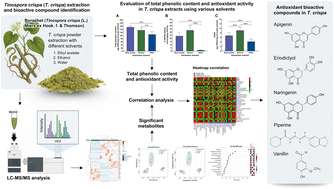
The medicinal plant Tinospora crispa (T. crispa) contains a wide array of bioactive compounds known for their antidiabetic, antioxidant, and anticancer properties. This study aimed to evaluate the effect of various solvents on the efficiency of metabolite extraction, and to assess the antioxidant activity of the respective extracts. T. crispa was extracted using ethanol, ethyl acetate, and water via maceration. Antioxidant capacity was measured using total phenolic content (TPC), 2,2-diphenyl-1-picrylhydrazyl assay (DPPH), and ferric reducing antioxidant power assay (FRAP). Metabolite profiling was analyzed using liquid chromatography-tandem mass spectrometry (LC-MS/MS), and correlation analysis was performed between metabolite profiles and antioxidant parameters to identify potential antioxidant-related compounds. Metabolomic analysis revealed distinct chemical compositions across the three solvent extracts. The ethanol extract demonstrated the highest antioxidant activity in DPPH and FRAP assays, while the ethyl acetate extract exhibited the greatest TPC value. A total of 20 metabolites showed moderate to strong positive correlations (r ≥ 0.4) with three antioxidant capacity assays, indicating their potential contribution to antioxidant properties. These metabolites were predominantly flavonoids, alkaloids, and other plant-derived secondary metabolites. Overall, ethanol was the most efficient solvent for extracting bioactive compounds related to antioxidant activity. This study highlights the critical role of solvent selection in optimizing extraction protocols for medicinal plants and underscores the potential of T. crispa as a natural antioxidant source. Furthermore, the combined use of LC-MS/MS-based metabolomics and correlation analysis provides a powerful approach for identifying bioactive metabolites, suggesting promising directions for future pharmacological research and therapeutic applications.
 Please wait while we load your content...


